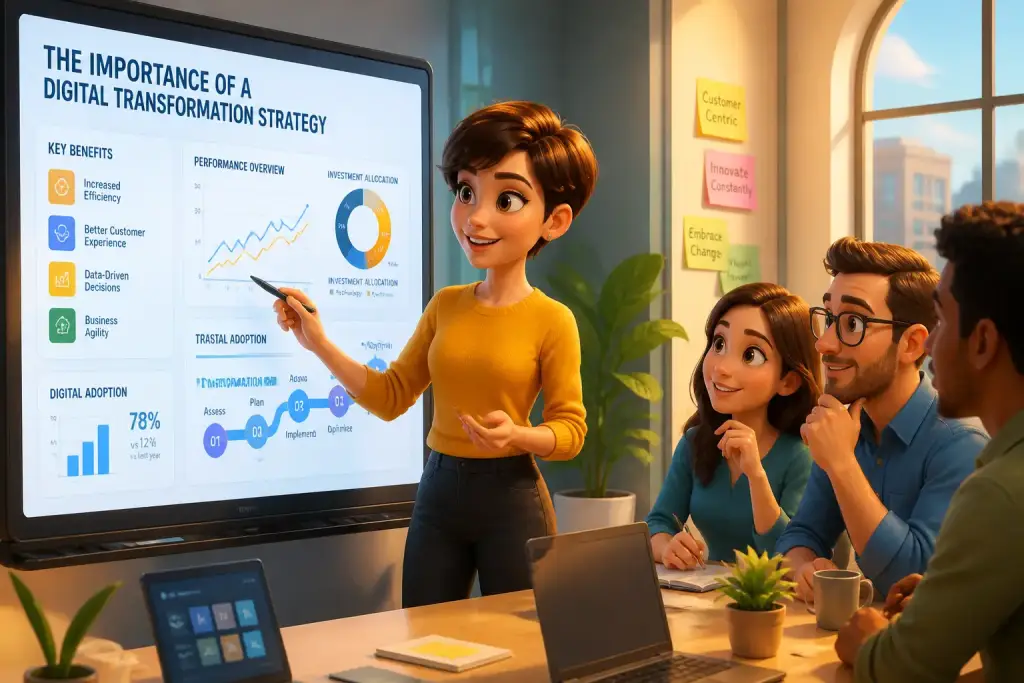







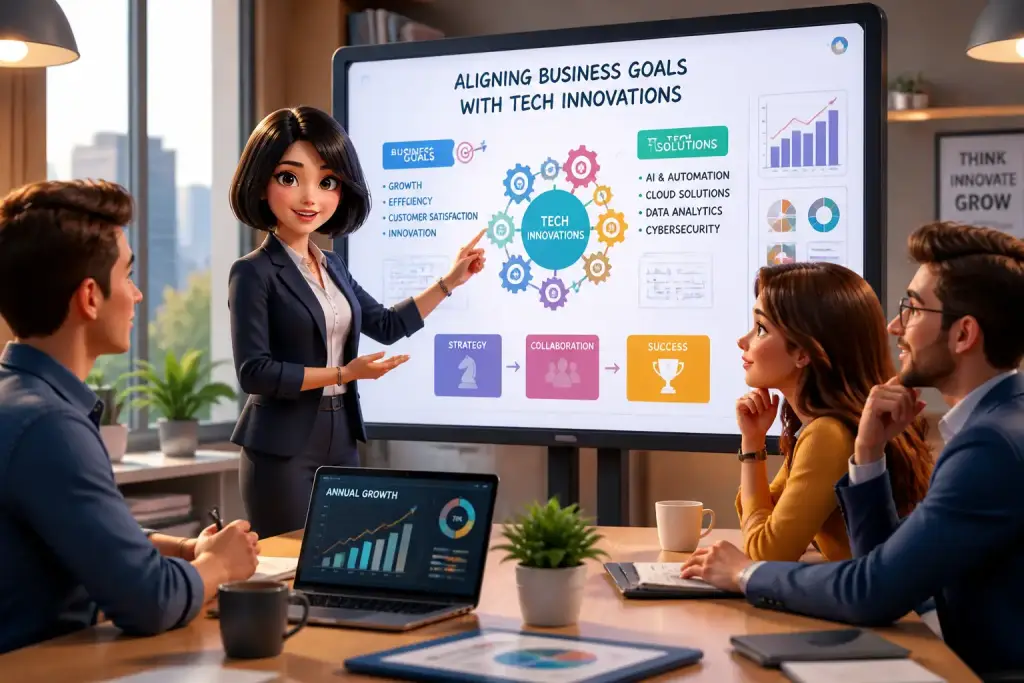
Aligning business goals with tech innovations is vital for modern organizations aiming to thrive in a competitive landscape. The right technology can drive efficiency, enhance productivity, and provide a strategic edge. Businesses today face constant pressure to adapt, and integrating tech solutions that support their goals is essential. This alignment not only helps in meeting customer needs but also in achieving long-term sustainability.
- Aligning tech innovations with business goals leads to increased efficiency.
- Understanding specific tech trends helps in strategic planning.
- Regular assessments of technology impact enhance business adaptation.
Identifying Core Business Goals
Successful integration of technology begins by clearly identifying your business goals. Understanding what you want to achieve lays the foundation for selecting suitable tech solutions. Goals can range from increasing sales and improving customer service to enhancing operational efficiency and fostering innovation.
Gathering input from various stakeholders is crucial. This includes team members from different departments, such as marketing, sales, and customer support. Their insights help create a comprehensive view of the business objectives. Conducting workshops or brainstorming sessions can facilitate open discussions, ensuring everyone’s voice is heard.
As you identify these goals, prioritize them based on their potential impact and feasibility. A common approach is using the SMART criteria, Specific, Measurable, Achievable, Relevant, and Time-bound. This method ensures that your goals are practical and attainable, providing a clear direction for technology alignment.
Once you have a prioritized list, document these goals and communicate them across the organization. This transparency fosters a shared understanding, encouraging collaboration in achieving these targets.
Evaluating Current Technology Landscape
Understanding your current technology landscape is essential for aligning tech innovations with your business goals. Begin by conducting a thorough assessment of existing tools and systems. Identify what is working well, what needs improvement, and what might be obsolete.
Involve your IT team in this evaluation. They can provide insights into system performance and potential upgrades. Additionally, consider gathering feedback from employees who use these systems daily. Their experiences can highlight inefficiencies or gaps that may not be apparent at a managerial level.
After gathering this data, categorize your technology based on functionality. For instance, group tools used for communication, project management, customer relationship management (CRM), and data analysis. This categorization helps in identifying areas where technology can better support your business goals.
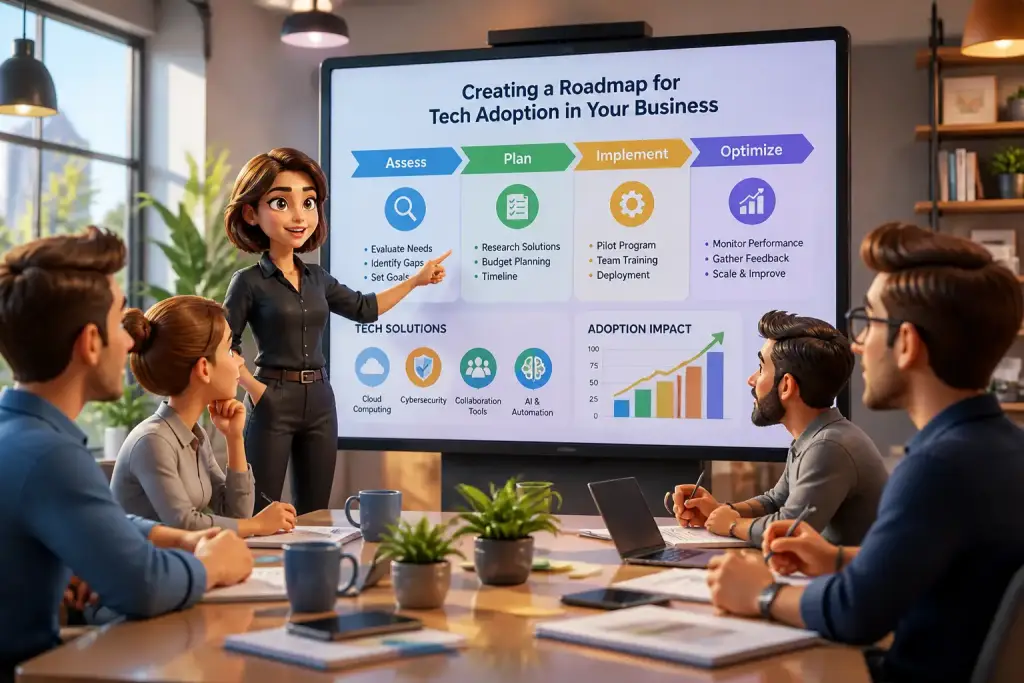
Finally, create a technology roadmap. This should outline the current state of your systems, the desired future state, and the steps needed to bridge the gap. A clear roadmap helps ensure that technology investments align with your strategic objectives.
Researching Technological Trends
Keeping abreast of technological trends is essential in today’s fast-paced environment. Understanding emerging technologies allows businesses to remain competitive and agile. Trends such as artificial intelligence, machine learning, cloud computing, and big data analytics can significantly impact how businesses operate.
Researching these trends involves exploring industry reports, attending conferences, and engaging with thought leaders in technology. For example, participating in webinars or online forums can provide insights into how other organizations leverage technology to achieve their goals.
It is also beneficial to analyze competitors. Observing how peers adopt technology can inspire new ideas and approaches. Consider creating a benchmarking report that compares your technology use and strategies against industry standards. This report can highlight areas for improvement or innovation.
- Stay updated through tech news platforms and blogs.
- Engage with technology consultants for tailored advice.
- Network with industry peers to share insights and experiences.
After gathering this information, evaluate which trends align with your business goals. Prioritize those that can deliver immediate benefits or have the potential for long-term growth.
Regularly review your technology stack to ensure it aligns with your evolving business goals and market demands.
Integrating Technology with Business Strategy
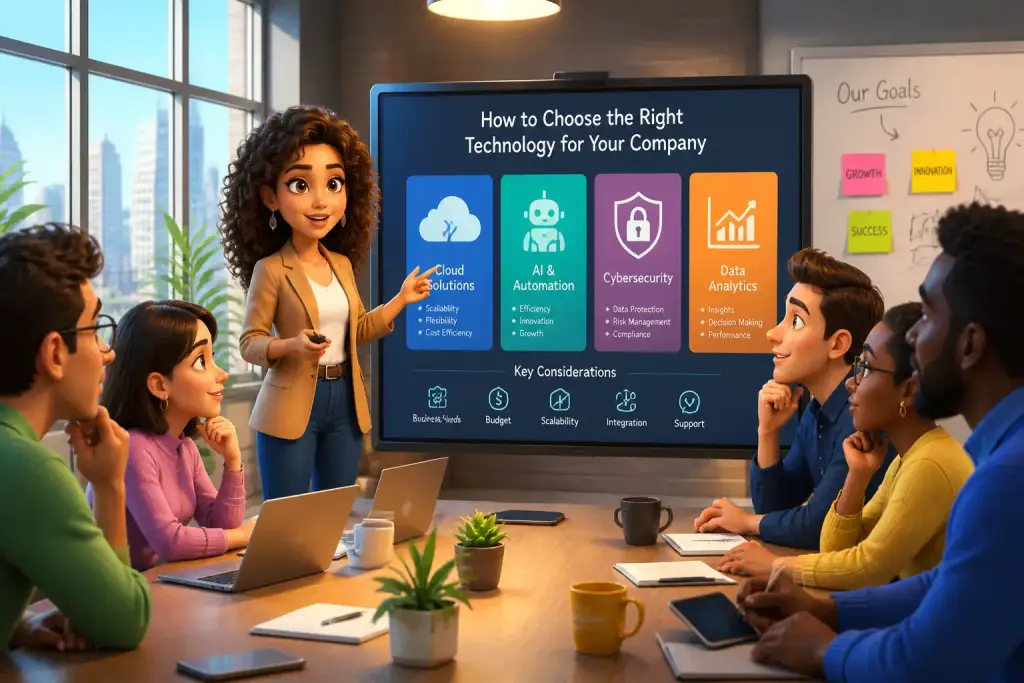
Integration of technology into your business strategy is a multi-step process. Start by aligning the identified tech solutions with your core business objectives. This means selecting tools that can directly impact productivity, customer satisfaction, or profitability.
Next, engage all departments in the integration process. Collaboration between teams is crucial for successful implementation. For instance, if you are adopting a new CRM system, involve sales, marketing, and customer service teams. Each department can provide input on features that matter most to their operations.
Implementing technology requires careful planning. Create a detailed project plan that outlines timelines, responsibilities, and resource allocation. Regularly monitor progress and adjust as needed to stay on track. This helps ensure that the integration aligns with your business goals while minimizing disruption to daily operations.
Steps for Successful Integration
- Define clear objectives for technology use.
- Engage stakeholders across departments early in the process.
- Create a comprehensive project plan for implementation.
- Monitor progress and make adjustments as necessary.
Finally, provide training to employees on new systems. This ensures they are comfortable with the technology, maximizing its benefits. A well-trained team can leverage tools effectively, driving better results for the business.
Measuring Impact and Success
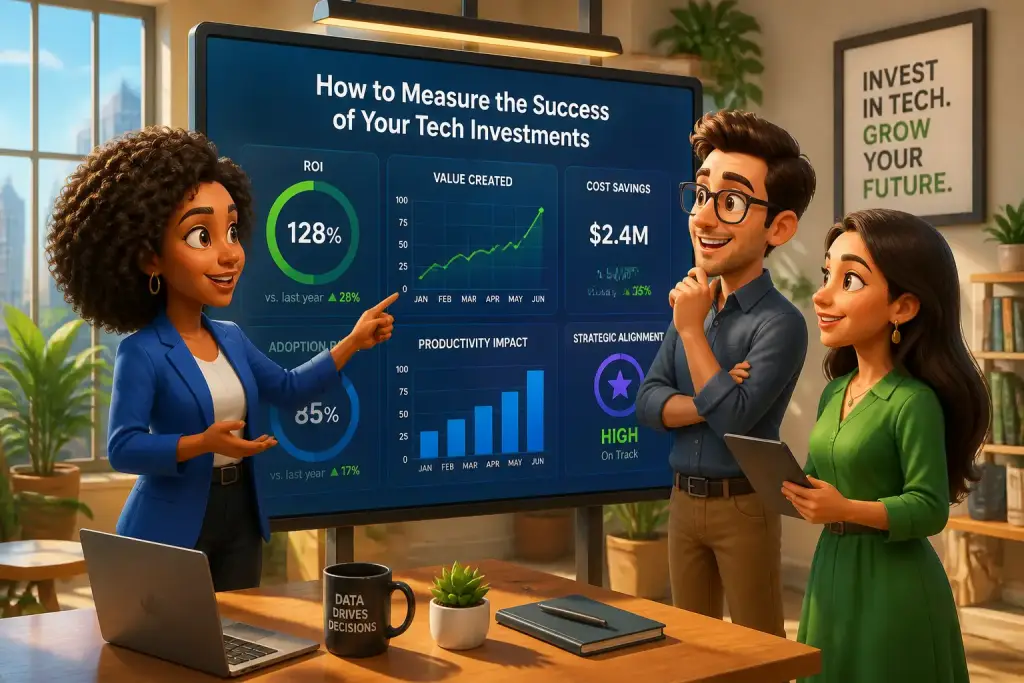
After integrating new technology, measuring its impact becomes crucial. Establishing key performance indicators (KPIs) allows businesses to track success and identify areas for improvement. These KPIs should be aligned with the original business goals identified earlier.
Regularly review these metrics. For example, if your goal was to improve customer service response times, monitor how the new system affects this metric. Collect feedback from employees and customers to gain deeper insights into the technology’s effectiveness.
Adjustments may be necessary based on this feedback. If certain tools are not delivering expected results, consider alternatives or additional training for employees. Continuous evaluation ensures that technology remains aligned with evolving business needs.
Consider conducting regular technology audits. These audits can highlight areas where technology may be underperforming or where new solutions could provide better results. Establish a schedule for these audits to maintain a proactive approach to technology management.
Adapting to Future Changes
Businesses must remain adaptable to thrive in the ever-changing landscape of technology. Developing a flexible approach enables organizations to respond quickly to new trends and challenges. Keep an open line of communication within teams to promote a culture of adaptability.
Establishing a feedback loop is essential. Encourage employees to share their experiences and suggestions regarding technology use. This not only improves systems but also fosters a sense of ownership and engagement among staff.
Conducting regular training sessions can also help teams stay updated with the latest technological advancements. These sessions can cover topics such as new software features, best practices, and industry trends. This ongoing education ensures that your organization is equipped to leverage new technologies as they arise.
Finally, consider forming partnerships with tech providers. Collaborating with technology companies can lead to early access to innovative solutions and support in implementing these tools effectively. This proactive approach allows businesses to stay ahead of the curve.
Building a Tech-Forward Culture
Creating a tech-forward culture is key to successfully aligning business goals with innovations. Encourage an environment where employees feel empowered to experiment with new tools and solutions. This can lead to creative problem-solving and innovative approaches to challenges.
Recognize and reward employees who embrace technology. This recognition can motivate others to follow suit and contribute positively to the overall culture. Consider implementing incentive programs that encourage tech adoption and innovation.
Promoting collaboration and knowledge sharing among employees is also important. Organize regular team meetings to discuss successes and challenges related to technology use. This not only builds camaraderie but also enhances collective learning.
Consider implementing mentorship programs where tech-savvy employees can guide others in adopting new tools. This peer support can foster a more comfortable learning environment, easing the transition to new technologies.

Federica Ferrari
Founder & Lead EditorFederica Ferrari is the founder and lead editor of Business Braintech, based in Italy. She provides readers with practical guidance on emerging technologies for business transformation.