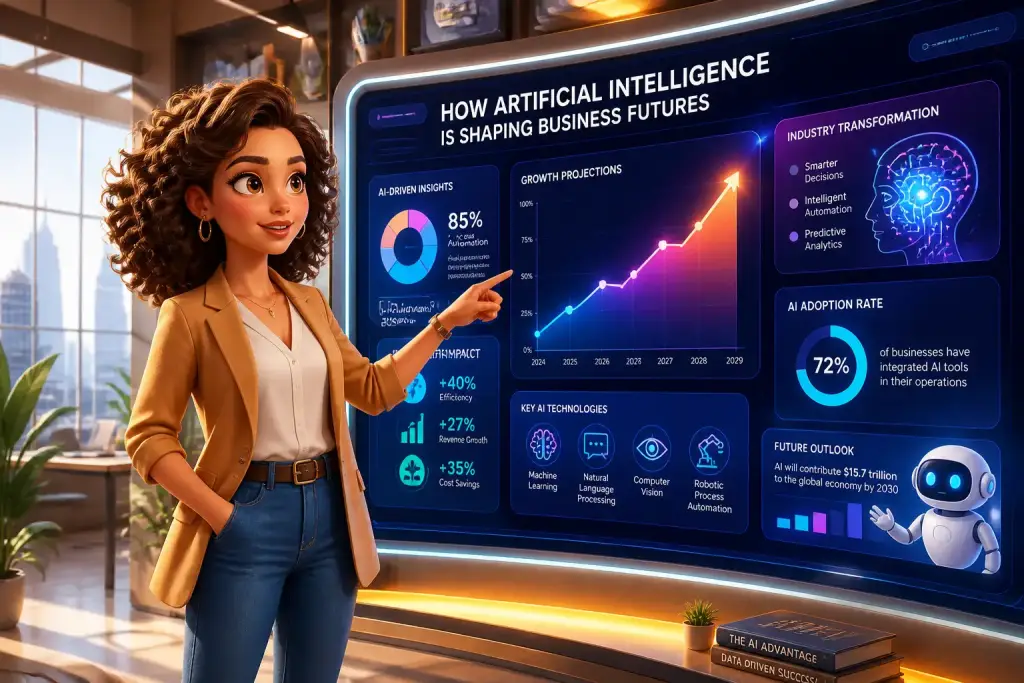










Technology is continuously evolving, and its impact on the workplace is profound. As we move forward, tech trends are reshaping how we work, collaborate, and communicate. Businesses are embracing new tools and strategies to improve productivity and employee satisfaction. Understanding these tech trends is essential for companies aiming to stay competitive and relevant in today’s fast-paced environment.
- Remote work tools enhance flexibility and productivity for teams.
- AI-driven applications automate tasks, reducing manual workload significantly.
- Cloud computing improves data accessibility and collaboration across locations.
Remote Work Tools Transforming Collaboration
The rise of remote work tools is one of the most significant changes in modern work environments. As companies adapt to flexible work arrangements, tools that facilitate collaboration are more vital than ever. These tools help teams stay connected, share information, and work on projects regardless of their physical location.
Platforms like Zoom, Slack, and Microsoft Teams have become household names. They allow teams to communicate in real-time, share files instantly, and conduct virtual meetings. Because of these platforms, employees can collaborate seamlessly, even when working from different cities or countries.
To maximize the effectiveness of these remote work tools, businesses should consider the following steps:
- Assess team needs: Identify what tools will best suit your team’s workflow and collaboration style.
- Provide training: Ensure employees are comfortable using these tools to enhance productivity.
- Encourage regular check-ins: Schedule consistent meetings to keep everyone aligned and engaged.
As remote work continues to grow, companies without these tools risk falling behind. The ability to adapt and implement effective collaboration solutions is essential for maintaining productivity and team morale.
Artificial Intelligence Enhancing Work Efficiency
Artificial intelligence (AI) is changing the way businesses operate. By automating repetitive tasks, AI applications free employees to focus on higher-level responsibilities. This shift not only improves efficiency but also enhances job satisfaction as employees can engage in more meaningful work.
For example, AI chatbots can handle customer inquiries, allowing human agents to deal with complex issues. Similarly, AI tools can analyze data faster than any human could, providing insights that drive decision-making. These applications reduce the time spent on mundane tasks and increase the potential for innovation.
Implementing AI in Your Business
Integrating AI into your existing systems does not have to be overwhelming. Here are some straightforward steps to get started:
- Identify repetitive tasks: Look for areas where automation can save time and reduce errors.
- Research AI solutions: Explore various AI tools that fit your business needs and budget.
- Test and iterate: Start with small-scale implementations, gather feedback, and refine your approach.
As AI continues to advance, businesses that embrace this technology will position themselves ahead of the competition. The ability to work smarter, not harder, will define success in the coming years.
Cloud Computing: A Game Changer for Data Management
Cloud computing has revolutionized how businesses store, access, and manage data. With cloud services, companies can store vast amounts of information securely and access it from anywhere. This flexibility is particularly beneficial for teams working remotely or across multiple locations.
Popular cloud platforms like Google Cloud, Amazon Web Services, and Microsoft Azure offer scalable solutions for businesses of all sizes. Using these services, organizations can easily collaborate on projects by sharing access to documents, applications, and resources.
Benefits of Cloud Computing
Embracing cloud computing offers several advantages that can significantly improve operations:
- Cost savings: Cloud services often reduce the need for expensive on-premises hardware and maintenance.
- Scalability: Businesses can easily adjust their storage and computing needs based on demand.
- Collaboration: Teams can work together in real-time, regardless of their location.
Modern businesses that leverage cloud computing can enjoy greater agility and efficiency. The ability to access data anytime, anywhere, empowers teams to remain productive and responsive in a rapidly changing landscape.
Cybersecurity Measures in a Digital Workspace
As technology advances, so do the threats to cybersecurity. Protecting sensitive information is critical for any organization. With more employees working remotely, the need for robust cybersecurity measures becomes even more pressing. Companies must prioritize safeguarding their data to maintain trust and compliance.
Implementing strong security protocols, such as multi-factor authentication and regular software updates, is essential. Employee training is also vital; staff should be educated about recognizing phishing attempts and other security risks.
Steps to Enhance Cybersecurity
To build a solid cybersecurity framework, consider the following actions:
- Conduct risk assessments: Regularly evaluate your systems to identify vulnerabilities.
- Implement security software: Use firewalls, antivirus programs, and encryption to protect sensitive data.
- Train employees: Provide ongoing education about best practices for cybersecurity.
By taking these steps, businesses can create a secure digital workspace. This not only protects valuable information but also builds confidence among clients and stakeholders.
Regularly assess your tech tools to ensure they align with your team's evolving needs and promote efficient workflows.
Data Analytics Driving Business Decisions
Data analytics is becoming increasingly important in decision-making processes. Organizations are leveraging data to gain insights into customer behavior, market trends, and operational efficiency. This data-driven approach allows businesses to make informed decisions that can lead to growth and innovation.
Modern analytics tools provide real-time data visualization, enabling teams to understand complex data sets quickly. By integrating analytics into everyday operations, companies can respond more effectively to changing conditions and customer needs.
Implementing Data Analytics Effectively
To harness the power of data analytics, businesses should follow these steps:
- Define objectives: Clearly outline what insights you hope to gain from data analysis.
- Select the right tools: Explore various analytics platforms that provide the features you need.
- Train your team: Ensure staff are equipped to analyze and interpret data effectively.
With a strong focus on data analytics, businesses can gain a competitive edge. The ability to make data-driven decisions is essential for success in today’s market.
Adapting to Hybrid Work Models
The hybrid work model is becoming the norm for many organizations. Blending remote and in-office work offers flexibility and can improve employee satisfaction. However, this model presents unique challenges that businesses must address to be successful.
Creating a cohesive culture in a hybrid environment takes effort. Companies need to establish clear communication channels and ensure that all employees feel included, regardless of their work location. Regular team-building activities and virtual events can help foster a sense of belonging.
Strategies for Successful Hybrid Work
To effectively implement a hybrid work model, consider the following strategies:
- Set clear guidelines: Define policies regarding in-office attendance and remote work expectations.
- Invest in technology: Equip employees with the necessary tools to collaborate effectively, whether they are at home or in the office.
- Encourage feedback: Regularly seek input from employees to understand their needs and challenges.
By focusing on these strategies, businesses can create a thriving hybrid work environment. This flexibility not only attracts top talent but also promotes a positive workplace culture.
Embracing the Future of Work
As we look ahead, embracing technology trends is vital for any business aiming to thrive. From remote work tools to artificial intelligence, these advancements are shaping the future of work. Staying informed and adaptable will help organizations leverage these trends to their advantage.
Investing in modern technologies not only enhances productivity but also prepares businesses for the challenges of tomorrow. Companies that prioritize innovation will find themselves at the forefront of their industries, capable of responding to changes quickly and effectively.
Engaging with these tech trends now ensures that businesses remain competitive in the years to come. The evolution of work is not just about technology; it’s about reimagining how we collaborate, create, and build the future together.

Federica Ferrari
Founder & Lead EditorFederica Ferrari is the founder and lead editor of Business Braintech, based in Italy. She provides readers with practical guidance on emerging technologies for business transformation.