








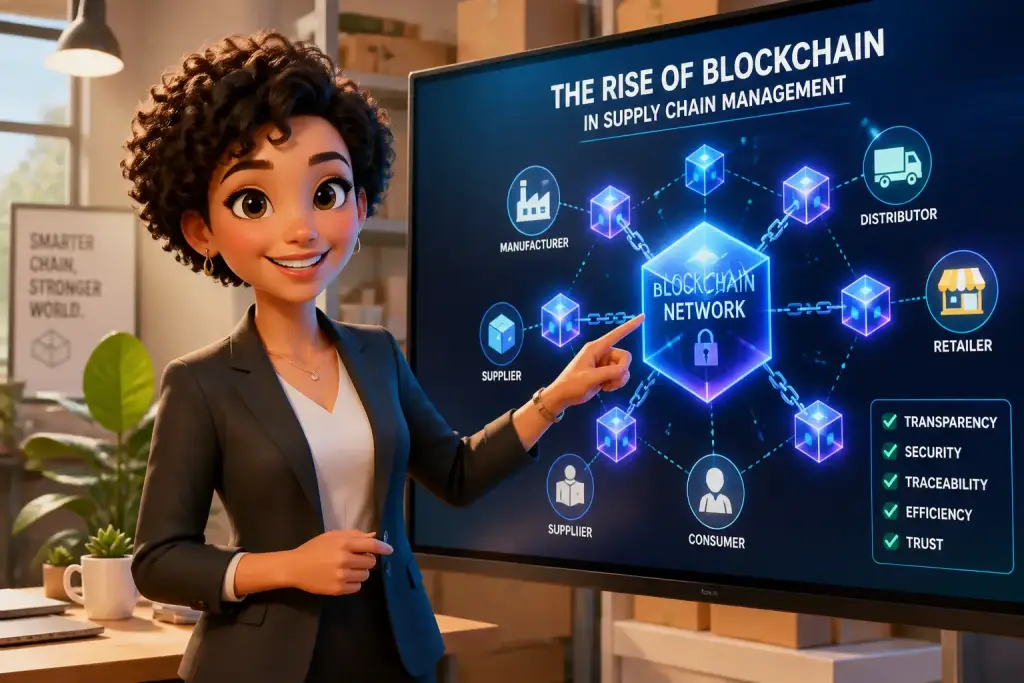
The integration of blockchain in supply chain management is transforming how businesses operate today. This technology enhances transparency, improves efficiency, and fosters trust among stakeholders. As companies face challenges related to tracking goods, ensuring authenticity, and managing complex logistics, blockchain provides innovative solutions. By utilizing a decentralized ledger, organizations can streamline processes that were once cumbersome and slow. The rise of blockchain is not just a trend; it is a fundamental shift in how supply chains will function in the future.
- Blockchain enhances transparency in supply chain processes.
- It increases efficiency through real-time data sharing.
- Businesses can improve trust and reduce fraud risks.
Essential Foundations of Blockchain Technology
Blockchain is a digital ledger that records transactions across many computers. This means no single entity owns the data, making it secure and transparent. Each block contains a number of transactions, and once a block is filled, it is added to the chain. Each block is linked to the previous one, creating a secure chain of information that cannot be altered without the consensus of the network. This feature is particularly beneficial in supply chain management, where trust and transparency are paramount.
Because of its decentralized nature, blockchain allows all parties in a supply chain to access the same data in real-time. For example, if a product is shipped from one location to another, every stakeholder can see where the item is at any given moment. This visibility reduces the chances of fraud and errors, as everyone has the same information. Furthermore, blockchain can automate processes through smart contracts, which are self-executing contracts with the terms directly written into code.
Understanding the components of blockchain is crucial for businesses looking to implement this technology. Here are the main elements:
- Decentralization: No single point of control.
- Transparency: All transactions are visible to authorized users.
- Security: Cryptographic techniques protect data.
- Immutability: Once added, data cannot be changed.
Benefits of Blockchain in Supply Chains
The adoption of blockchain technology in supply chain management offers several significant benefits. One of the most substantial advantages is the increased level of transparency throughout the supply chain. This transparency allows companies to track the movement of goods at all times. For example, a customer can know exactly where their order is and when it will arrive. This capability enhances customer satisfaction and builds trust between businesses and their clients.
Another benefit is the improvement in efficiency. Traditional supply chains often involve multiple intermediaries, leading to delays and increased costs. Blockchain simplifies this process by enabling direct transactions between parties. With real-time data sharing, companies can respond quickly to changes in demand or supply issues. Moreover, by using smart contracts, businesses can automate routine tasks, reducing the need for human intervention and the likelihood of errors.
Real-World Applications of Blockchain
Several companies have already begun to see the benefits of blockchain in their supply chains:
- Walmart: The retail giant uses blockchain to track food products from farm to store. This process enables quick identification of contamination sources.
- IBM: Through its Food Trust network, IBM helps businesses trace the origin of food products, ensuring safety and compliance.
- De Beers: The diamond company tracks diamonds from mines to retailers, verifying their authenticity and ethical sourcing.
Start with pilot projects to test blockchain's impact before full-scale implementation in your supply chain.
Challenges in Implementing Blockchain
While the benefits are clear, integrating blockchain technology into existing supply chain systems is not without challenges. One major hurdle is the initial investment required for technology and training. Organizations may need to upgrade their infrastructure or invest in new software solutions to utilize blockchain effectively. This can be a significant barrier, especially for small to medium-sized enterprises.
Another challenge is the lack of standardization across industries. Different companies may use different blockchain platforms, which can create compatibility issues. Ensuring that all parties in a supply chain can communicate effectively is essential for blockchain’s success. Furthermore, there is a need for education and understanding among stakeholders to ensure everyone is on board with the new technology.
Steps to Overcome Implementation Challenges
Here are some steps businesses can take to address these challenges:
- Invest in Education: Train employees on blockchain technology to build a knowledgeable team.
- Start Small: Implement blockchain in a single area of the supply chain before expanding.
- Collaborate: Work with other companies and organizations to develop standards and best practices.
The Future of Blockchain in Supply Chain Management
As technology continues to evolve, the future of blockchain in supply chain management looks promising. With ongoing developments, businesses will find new ways to leverage this technology. Trends indicate that we will see increased integration with the Internet of Things (IoT). Smart sensors connected to blockchain will provide real-time data on product conditions, such as temperature and humidity, ensuring quality control throughout the supply chain.
Sustainability will play a crucial role in future supply chains. Blockchain can help track and verify sustainability efforts, allowing consumers to make informed choices about the products they purchase. This trend towards eco-friendliness is becoming more important to consumers, and businesses that can prove their commitment will likely gain a competitive edge.
Finally, as more companies adopt blockchain technology, we can expect to see a shift in market dynamics. Businesses that successfully integrate blockchain into their operations will set new standards for transparency, efficiency, and trust. As a result, organizations that lag behind may struggle to compete in an increasingly digital marketplace.
Preparing for the Future
To prepare for the future of blockchain in supply chain management, organizations should:
- Stay informed on technological advancements related to blockchain.
- Engage with industry partners to explore collaborative solutions.
- Continuously evaluate and adapt their supply chain strategies to incorporate new technologies.

Federica Ferrari
Founder & Lead EditorFederica Ferrari is the founder and lead editor of Business Braintech, based in Italy. She provides readers with practical guidance on emerging technologies for business transformation.