








Virtual reality (VR) is reshaping the way businesses connect with customers, bringing a new level of engagement that traditional methods cannot match. Companies are increasingly adopting VR to create memorable experiences, enhance customer satisfaction, and foster brand loyalty. This article explores the profound impact of virtual reality on customer experience across various sectors, highlighting practical applications and real-world examples.
- Virtual reality offers immersive shopping experiences, increasing customer engagement.
- Businesses leverage VR for training, improving service quality and efficiency.
- Enhanced customer feedback systems through VR lead to better product development.
Immersive Shopping Experiences
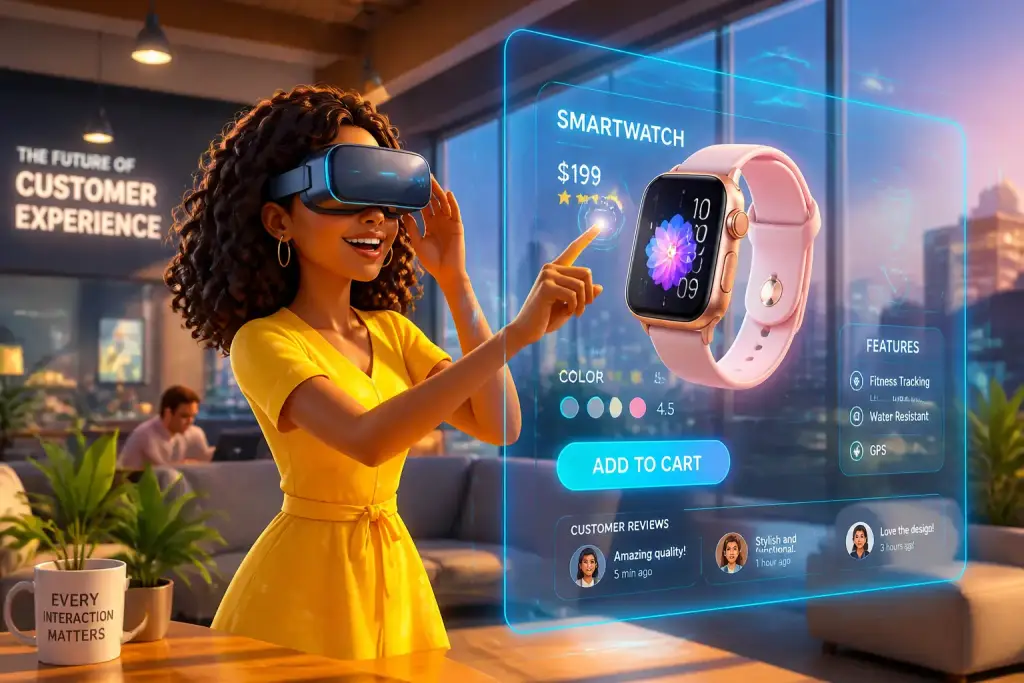
Many retailers are now using VR to create immersive shopping environments that allow customers to explore products in a virtual space. This innovative approach simulates a real-world shopping experience from the comfort of one’s home. For example, a furniture store can let potential buyers visualize how a couch fits in their living room through a virtual simulation.
With VR, customers can interact with products, view them from different angles, and even customize features before making a purchase. This level of engagement significantly reduces uncertainty, leading to increased buyer confidence. Furthermore, immersive shopping experiences can shorten the decision-making process, resulting in quicker sales.
Consider the following benefits of VR in retail:
- Enhanced product visualization helps in better decision-making.
- Reduced return rates as customers are more informed about their purchases.
- Increased customer satisfaction and loyalty due to memorable experiences.
Transforming Customer Support
Customer support has also undergone a transformation with the integration of virtual reality. Companies now offer VR-based support systems that allow users to experience guided troubleshooting in a virtual environment. With VR headsets, customers can receive step-by-step assistance on how to use products, troubleshoot issues, or even set up devices.
For instance, a tech company could create a virtual space where customers interact with a virtual assistant. This assistant can guide them through setup processes, providing visual cues and instructions in real time. This method not only helps customers feel more confident but also reduces the workload on support staff.
Steps to Implement VR Support
- Identify common customer issues that could benefit from virtual assistance.
- Create engaging VR content that addresses these issues comprehensively.
- Test the VR system with a small user group before full deployment.
- Collect feedback and improve the VR experience continuously.
Enhancing Customer Feedback
Gathering customer feedback is essential for any business. Virtual reality can enhance this process by providing more interactive and engaging methods for customers to share their opinions. Instead of traditional surveys, VR can create an immersive environment where users can express their thoughts and feelings about products or services.
For example, a company might use VR to simulate a product experience and then ask users to rate their feelings about it in real time. This method can yield deeper insights as customers engage in a more dynamic setting compared to standard feedback forms.
VR feedback systems can help businesses:
- Understand customer emotions and reactions more effectively.
- Identify areas for improvement through real-time interaction.
- Encourage participation by making feedback fun and engaging.
Training Employees for Better Service
Employee training is crucial for delivering excellent customer service. Virtual reality provides a unique tool for training employees in a risk-free environment. Companies can create realistic scenarios where employees practice customer interactions, sales techniques, and problem-solving skills. This hands-on experience can significantly improve their confidence and performance in real situations.
For instance, a hospitality business might use VR to train staff in handling difficult situations, such as managing guest complaints. Employees can experience various scenarios in a controlled setting, allowing them to develop skills without the pressure of real-time consequences. This approach not only prepares employees but also enhances service quality.
Key Benefits of VR Training
- Realistic practice scenarios enhance learning retention.
- Allows for safe mistakes, providing valuable learning experiences.
- Reduces training costs by limiting the need for physical resources.
Engage customers with personalized VR experiences, tailoring content to their preferences for stronger emotional connections and satisfaction.
Creating Brand Loyalty Through Experience
Building brand loyalty is a significant challenge for many businesses. Virtual reality can create strong emotional connections between customers and brands through memorable experiences. Brands that offer unique VR experiences can differentiate themselves in a competitive market, leading to loyal customers who feel connected to the brand.
For example, a travel company might use VR to offer virtual tours of holiday destinations. Customers can experience the sights and sounds of a location before they book, making them more likely to choose that company for their travel plans. Such immersive experiences not only engage customers but also create lasting impressions that encourage repeat business.
Brands can foster loyalty through VR by:
- Offering exclusive virtual events or experiences.
- Creating interactive campaigns that involve customer participation.
- Utilizing VR storytelling to enhance brand narratives.
Challenges and Considerations
While the benefits of virtual reality in customer experience are significant, businesses should also be aware of potential challenges. One primary concern is the cost of implementing VR technology. High-quality VR systems can be expensive, which may deter some businesses from investing in this technology.
Not all customers may have access to VR devices. Companies should consider the demographic of their target audience and ensure that VR experiences are accessible to a wide range of customers. This might involve offering alternatives for those who cannot use VR technology.
To effectively navigate these challenges:
- Conduct a cost-benefit analysis before investing in VR.
- Consider hybrid solutions that combine VR with traditional methods.
- Stay informed about advancements in VR technology to keep costs manageable.
Looking Ahead: The Future of VR in Customer Experience
The future of virtual reality in customer experience looks bright as technology continues to evolve. As hardware becomes more affordable and widely available, more businesses will likely adopt VR solutions. Innovations such as augmented reality integration may also enhance VR experiences, providing even more interactive ways for customers to engage with brands.
As customer expectations continue to rise, businesses that leverage VR technology will likely gain a competitive edge. Companies that invest in creating unique and engaging experiences will not only attract new customers but also retain existing ones, fostering long-term loyalty.
In conclusion, virtual reality is revolutionizing customer experience across many industries. By creating immersive environments, enhancing support, and fostering loyalty, businesses can transform how they interact with customers. As VR technology continues to advance, the potential for even more innovative applications in customer experience is limitless.

Federica Ferrari
Founder & Lead EditorFederica Ferrari is the founder and lead editor of Business Braintech, based in Italy. She provides readers with practical guidance on emerging technologies for business transformation.