







Augmented reality (AR) has made significant strides in recent years, especially in the retail sector. This technology blends the digital and physical worlds, allowing customers to interact with products in innovative ways. As we look at the future of augmented reality in retail, it becomes clear that this technology is not just a trend but a transformative force. Retailers are finding new ways to engage customers and enhance shopping experiences by integrating AR into their business strategies.
- Augmented reality enhances product visualization, allowing customers to see items in their space before purchase.
- Retailers can use AR for personalized marketing, making shopping experiences more engaging and tailored.
- The technology reduces product returns by helping customers make informed decisions.
Enhancing Customer Experiences with AR
AR technology opens doors for retailers to create immersive shopping experiences. Imagine walking into a store and pointing your smartphone at a product. Instantly, you can see additional information, reviews, and even how the item fits into your living space. This level of interaction enhances the shopping experience, making it more enjoyable and informative.
Many customers appreciate being able to visualize products before making a purchase. This capability reduces uncertainty and helps them make informed decisions. For example, furniture retailers often use AR to let customers see how a sofa looks in their living room before buying. This not only increases customer satisfaction but also builds trust between the brand and the consumer.
Examples of AR in Action
Several brands have successfully implemented AR technology to improve customer engagement. For instance:
- IKEA: Their app, IKEA Place, allows users to place virtual furniture in their homes. Customers can move items around to see how they fit.
- Sephora: The Sephora Virtual Artist app enables users to try on makeup virtually. This feature helps customers choose the right products without applying anything physically.
- Warby Parker: This eyewear company offers a virtual try-on feature through its app. Customers can see how different glasses look on their faces before purchasing.
These examples show how AR enhances the shopping journey by making it interactive and personalized. Retailers who embrace this technology stand to gain a competitive edge in the market.
Boosting Sales Through AR Technologies
Augmented reality can significantly impact a retailer’s bottom line. By creating engaging experiences, AR helps drive sales. When customers can visualize products better, they are more likely to make purchases. This increased confidence in buying decisions often leads to higher conversion rates.
AR can also encourage impulse buying. When customers interact with AR features, they often spend more time in the store or on the app. This engagement increases the chances of unplanned purchases. For example, a clothing retailer might use AR to showcase an entire outfit, prompting customers to buy multiple items instead of just one.
Strategies for Implementing AR to Increase Sales
Retailers can adopt several strategies to maximize the sales potential of augmented reality:
- Interactive Advertising: Create AR ads that allow customers to interact with products. This engagement can lead to higher brand recall and conversion rates.
- In-Store Experiences: Use AR to create interactive displays in physical stores. Customers can scan items with their phones to access additional information or promotions.
- Loyalty Programs: Incorporate AR into loyalty programs. For example, customers could earn rewards by using AR features, encouraging repeat visits and purchases.
These strategies can help retailers leverage AR technology to boost sales effectively. By providing unique experiences, retailers can attract more customers and increase their revenue.
Reducing Returns with Augmented Reality
Product returns are a significant challenge for retailers, often leading to lost revenue and increased costs. However, augmented reality can help reduce return rates. By allowing customers to visualize products in their environment or on themselves, AR helps them make more informed choices.
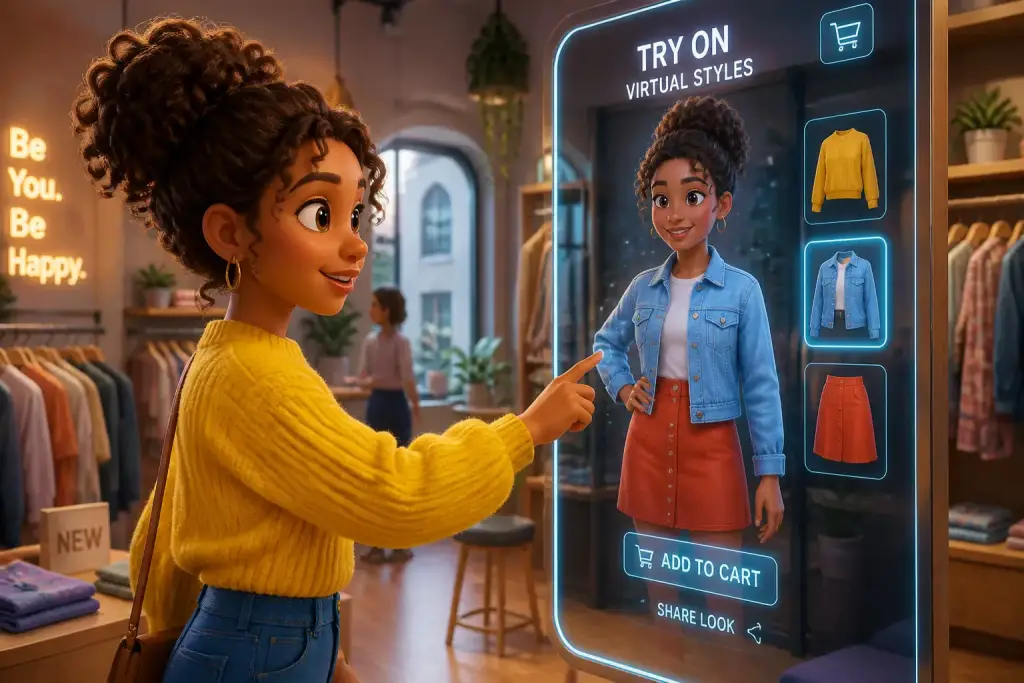
When customers use AR to see how a product will look or fit, they are less likely to be disappointed upon delivery. For example, a customer trying on clothes virtually can better assess fit and style before making a purchase. This level of certainty leads to fewer returns.
Implementing AR for Return Reduction
Retailers can adopt specific methods to use AR to minimize returns:
- Virtual Try-Ons: Implement features that allow customers to try on clothes or accessories virtually, similar to the AR experience provided by brands like Warby Parker.
- Room Visualization: Offer AR tools that let customers see how furniture or decor items fit into their space, helping them visualize their purchase better.
- Customer Reviews Integration: Combine AR with customer reviews and feedback. Allow users to see how products look on real consumers through AR.
These strategies can create a more satisfying shopping experience and reduce the likelihood of returns, benefiting both retailers and customers.
Incorporate customer feedback into your AR applications to improve user experience and increase engagement.
The Future Potential of AR in Retail
The potential for augmented reality in retail is vast and still unfolding. As technology advances, we can expect even more innovative applications of AR. Retailers could deploy AR for training staff, enhancing their product knowledge and customer service skills. This application can lead to better in-store experiences and improved sales.
AR could integrate with artificial intelligence to offer personalized shopping experiences. For instance, AI could analyze customer preferences and suggest products through AR applications. This capability could lead to tailored recommendations, increasing customer satisfaction and loyalty.
Emerging Trends in AR Technology
Several trends are shaping the future of AR in retail:
- Social Commerce: Integrating AR into social media platforms will allow users to try on products before purchasing directly through these channels.
- Mobile Optimization: As mobile devices become more powerful, AR applications will become faster and more intuitive, enhancing the user experience.
- Cross-Channel Marketing: AR will increasingly tie into different marketing channels, allowing for a more cohesive shopping experience across online and in-store environments.
These trends indicate a promising future for augmented reality in retail. As retailers continue to innovate, AR will play a vital role in transforming how consumers shop and interact with brands.
Next Steps for Better Embracing AR for Retail Success
Augmented reality is reshaping the retail landscape, providing new ways for brands to engage customers and improve their shopping experiences. As technology continues to evolve, retailers must stay ahead of the curve by embracing AR solutions. By enhancing customer experiences, boosting sales, and reducing returns, AR has the potential to transform retail strategies for a competitive edge. The future of retail lies in the hands of those willing to innovate and adapt to these exciting changes.

Federica Ferrari
Founder & Lead EditorFederica Ferrari is the founder and lead editor of Business Braintech, based in Italy. She provides readers with practical guidance on emerging technologies for business transformation.