







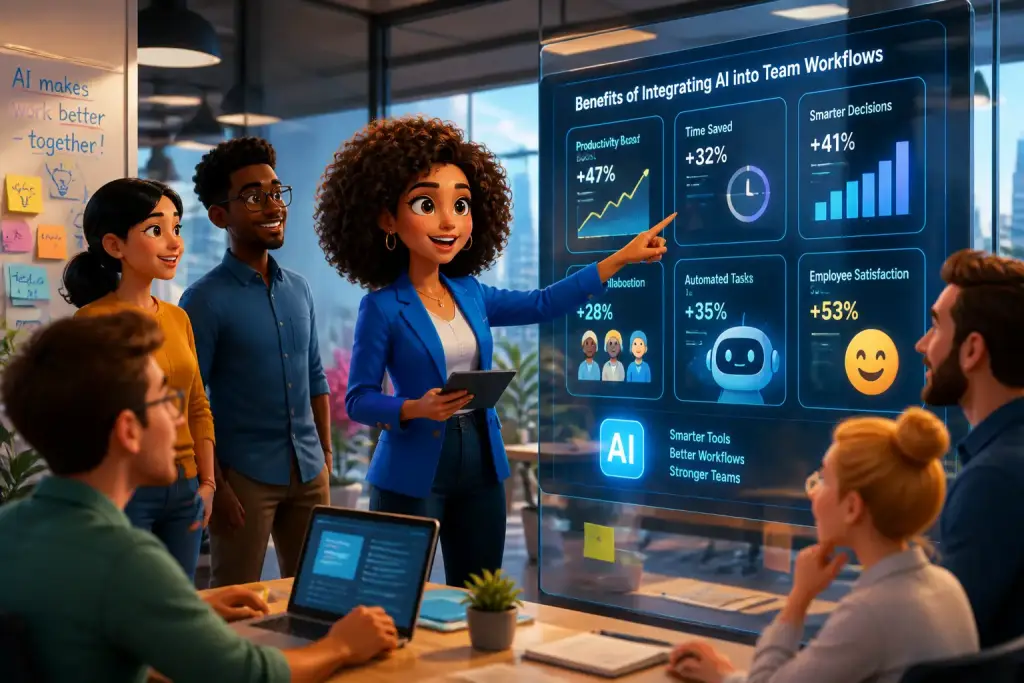
Integrating AI into team workflows has become a pivotal strategy for organizations seeking to enhance productivity and streamline operations. Businesses today are increasingly turning to artificial intelligence to automate tedious tasks, analyze data, and facilitate better communication among team members. The evolving landscape of technology presents an exciting opportunity for teams to leverage AI tools effectively. This article explores the benefits of integrating AI into team workflows, highlighting how it transforms the way teams function and achieve their goals.
- AI improves team productivity by automating repetitive tasks.
- Enhanced data analysis through AI leads to better decision-making.
- AI tools promote collaboration and communication among team members.
Boosting Productivity Through Automation
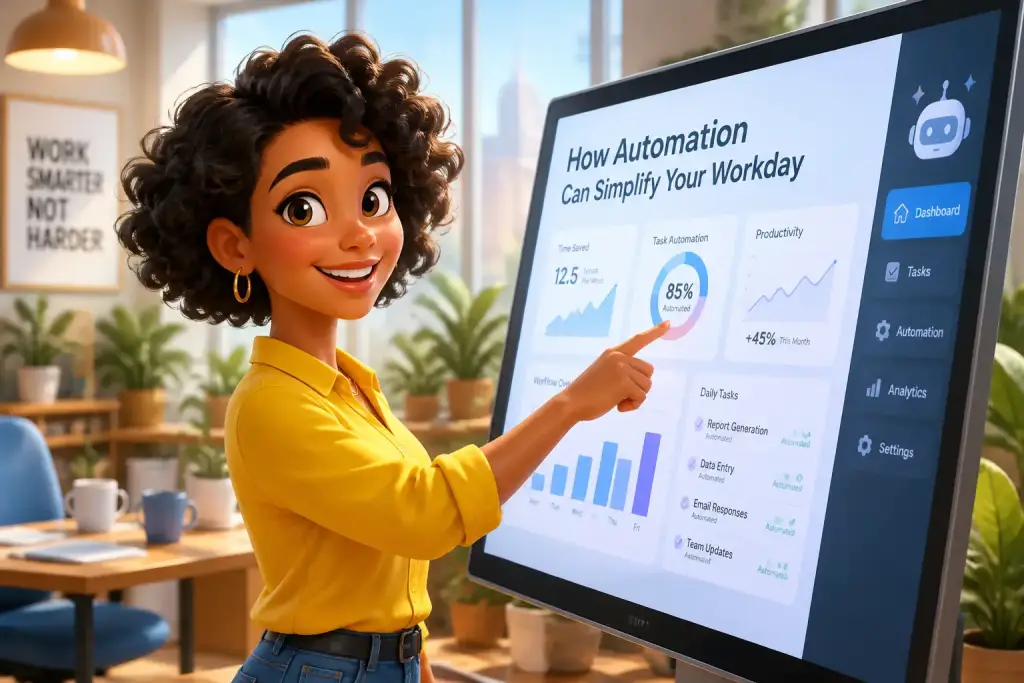
One of the most significant advantages of integrating AI into team workflows is the boost in productivity achieved through automation. AI can take over repetitive and time-consuming tasks, allowing team members to focus on higher-value activities. For instance, AI-driven project management tools can automate task assignments, deadline reminders, and progress tracking. This automation minimizes human error and ensures that everyone stays on track without constant supervision.
Consider a marketing team that uses AI to automate social media posts and email campaigns. Instead of spending hours managing these tasks manually, the team can set up AI tools to handle scheduling and content distribution. With AI managing these processes, team members can devote their time to creative strategy and engagement with their audience, ultimately enhancing their output and effectiveness. This shift not only improves efficiency but also boosts morale as team members feel less burdened by mundane tasks.
Key Automation Tasks AI Can Handle
- Data Entry: AI can fill in forms, update databases, and manage records automatically, reducing errors and saving time.
- Meeting Scheduling: AI tools can analyze team calendars and suggest optimal meeting times, eliminating back-and-forth emails.
- Customer Support: Chatbots powered by AI can handle basic inquiries, freeing up human agents for complex issues.
By implementing these automated processes, teams can experience a significant increase in their overall productivity. Less time spent on low-priority tasks translates into more opportunities for innovation and strategic planning. Additionally, automation through AI fosters a culture of efficiency, empowering employees to prioritize meaningful work that drives business success.
Enhancing Decision-Making with Data Insights
The integration of AI into team workflows also enhances decision-making capabilities through advanced data analysis. AI systems can process vast amounts of information quickly, providing teams with real-time insights that inform strategic choices. For example, sales teams can utilize AI to analyze customer purchasing patterns and predict future trends. This data-driven approach allows teams to tailor their strategies and offerings based on solid evidence rather than guesswork.
AI tools can visualize complex data in user-friendly formats, making it easier for team members to understand and act on insights. Dashboards powered by AI can highlight key performance indicators (KPIs), track progress towards goals, and identify areas needing improvement. When teams have access to clear and actionable data, they are better positioned to make informed decisions that contribute to their success.
Steps to Implement AI for Data Analysis
- Identify the data sources relevant to your team’s goals.
- Choose an AI tool that fits your needs, considering its analytics capabilities.
- Train your team on how to use the AI tool effectively.
- Regularly review the insights provided to drive strategic decisions.
By following these steps, teams can harness the power of AI to transform data into actionable strategies. This not only enhances the decision-making process but also encourages a culture of continuous improvement within the organization. In modern business environments, where agility is key, the ability to make swift and accurate decisions can set a team apart from its competitors.
Fostering Collaboration and Communication
Integrating AI into team workflows significantly enhances collaboration and communication among team members. AI tools can facilitate seamless information sharing, ensuring that everyone is on the same page. For instance, collaborative platforms with AI capabilities can organize discussions, track project updates, and store documents in a centralized location accessible to all team members. This level of organization prevents miscommunication and keeps projects moving forward smoothly.
AI can analyze communication patterns within a team, identifying potential bottlenecks or areas of improvement. By recognizing when and where communication tends to break down, teams can take proactive steps to enhance their collaboration efforts. For example, if an AI tool detects that team members often overlook messages in a specific channel, they can adjust their communication strategy to ensure important information is not missed.
Effective AI Tools for Collaboration
- Collaboration Platforms: Tools like Slack and Microsoft Teams offer AI features that organize conversations and suggest relevant documents.
- Project Management Software: Asana and Trello use AI to prioritize tasks and remind team members of deadlines.
- Document Sharing Services: Google Drive and Dropbox can leverage AI to enhance document search and retrieval processes.
By utilizing these AI tools, teams can improve their collaborative efforts and foster a more engaging work environment. As communication becomes more streamlined, team members can share ideas and feedback more effectively, leading to innovative solutions and stronger team dynamics. The ability to collaborate efficiently is essential for achieving successful outcomes in any organization.
Personalizing Employee Experiences
AI integration can also play a significant role in personalizing employee experiences within teams. Tailoring workflows to meet individual employee needs can enhance job satisfaction and productivity. AI tools can analyze individual work patterns, preferences, and performance metrics to provide personalized recommendations. For example, an AI system could suggest training programs based on an employee’s skills and career aspirations, helping them grow professionally.
AI can enhance employee engagement by offering personalized feedback and recognition. Rather than generic performance reviews, AI tools can provide specific insights based on an employee’s contributions. This personalized approach fosters a sense of value and appreciation, which can motivate team members to perform at their best.
Strategies for Personalizing Employee Experiences
- Use AI-driven surveys to gather employee feedback on their needs and preferences.
- Implement AI tools that recommend tailored training and development programs.
- Set up AI systems to recognize and reward employee achievements in real time.
By adopting these strategies, organizations can create a more inclusive and supportive work environment. When employees feel valued and understood, they are more likely to contribute positively to team goals. Personalizing employee experiences through AI not only enhances individual satisfaction but also drives collective success within the organization.
Regularly assess the effectiveness of AI tools in your workflows to ensure they align with team goals and enhance productivity.
Preparing for Future Trends in AI
As technology continues to advance, teams must prepare for future trends in AI integration. Staying ahead of the curve ensures that organizations can leverage the latest tools and techniques to maintain a competitive edge. Teams should regularly assess their current AI tools and workflows, identifying areas for improvement and potential upgrades. This proactive approach allows teams to adapt to new challenges and opportunities as they arise.
Investing in training and education is essential. Team members should be equipped with the knowledge and skills needed to utilize emerging AI technologies effectively. Offering workshops and training sessions can enhance overall team competency and ensure everyone is on board with the latest innovations. As AI continues to evolve, ongoing education will be crucial for maximizing its benefits.
Tips for Staying Ahead of AI Trends
- Subscribe to industry news and reports on AI developments.
- Participate in conferences and events to network with AI experts.
- Incorporate feedback from team members to align AI tools with real-world needs.
By following these tips, teams can position themselves as leaders in their industries, ready to embrace the future of work. Adapting to changing technologies and trends is essential for organizations that aim to thrive in a competitive landscape. The benefits of integrating AI into team workflows are vast, and those who embrace this shift will likely find themselves at the forefront of innovation.

Federica Ferrari
Founder & Lead EditorFederica Ferrari is the founder and lead editor of Business Braintech, based in Italy. She provides readers with practical guidance on emerging technologies for business transformation.