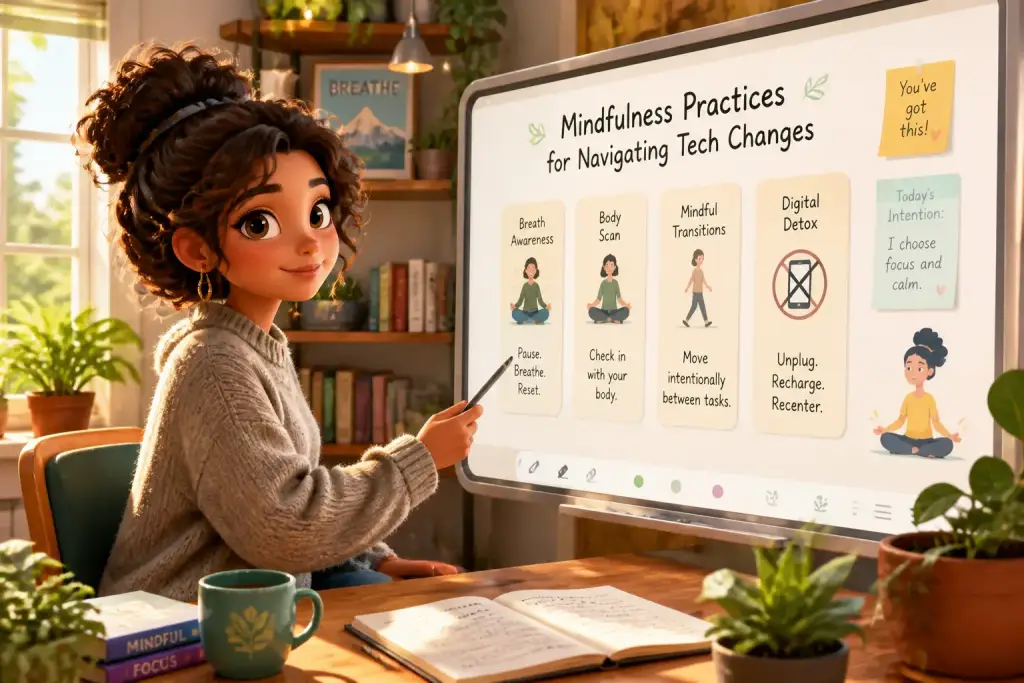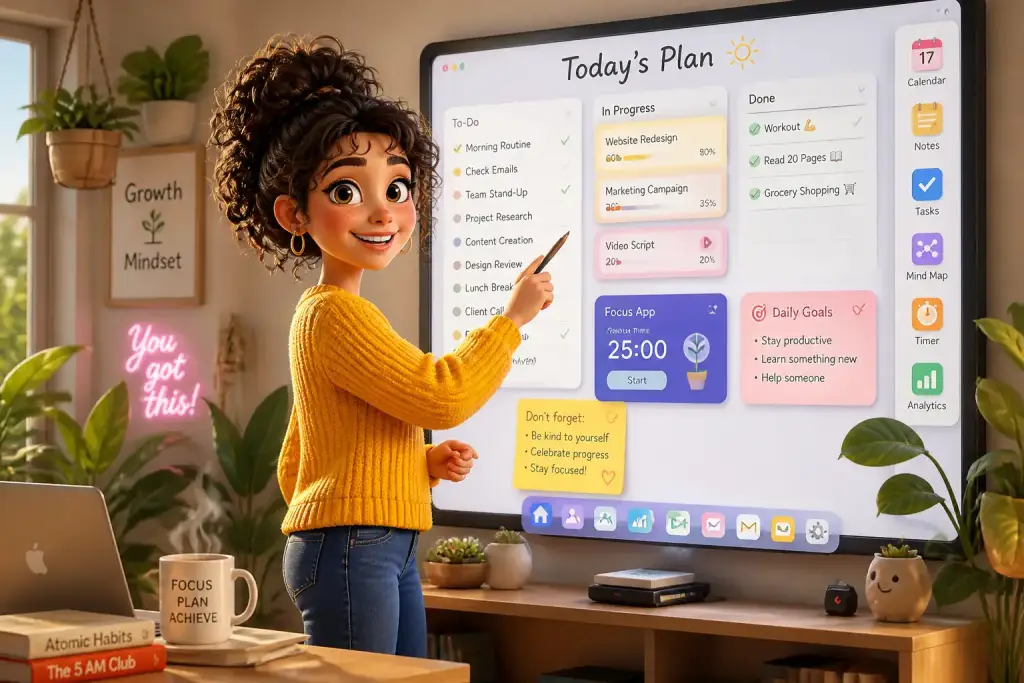










Setting daily goals for tech skill development can transform your learning journey. In our fast-paced digital world, the ability to adapt and grow is vital. Whether you’re a beginner or an experienced professional, establishing a routine of setting goals can help you stay focused and motivated. It creates a structured path to acquiring new skills, which can enhance your career prospects and personal growth. This article outlines practical strategies and insights on how to set effective daily goals for tech skill development.
- Break skills into smaller, manageable tasks each day.
- Use technology to track your progress and stay motivated.
- Set specific, measurable goals to enhance focus and direction.
Identifying Your Learning Objectives
Before diving into daily goals, it is essential to identify your specific learning objectives. Ask yourself what skills you want to develop and why. This clarity will help you set meaningful goals. Write down your objectives to make them tangible. For example, if you want to learn programming, specify which language you wish to master, such as Python or JavaScript.
Consider your current skill level. Are you starting from scratch, or do you have some experience? Knowing your starting point allows you to set realistic and achievable goals. If you are new to coding, your initial goal might be to complete an online beginner course. On the other hand, if you have some knowledge, you can aim to build a small project using your existing skills.
Creating SMART Goals
When setting your objectives, apply the SMART criteria. SMART stands for Specific, Measurable, Achievable, Relevant, and Time-bound. Here’s how to implement it:
- Specific: Define your goal clearly, such as “I want to learn Python for data analysis.”
- Measurable: Include criteria to track your progress, like “I will complete three chapters of an online course this week.”
- Achievable: Ensure your goal is realistic. If you can only dedicate an hour daily, do not set a goal that requires five hours.
- Relevant: Align your goals with your career aspirations. If you want to work in data science, focusing on Python is relevant.
- Time-bound: Set a deadline. For example, “I want to finish the course by the end of the month.”
Using this framework will help you create focused and impactful goals that enhance your tech skill development.
Designing Your Daily Practice Routine
Your daily practice routine is crucial for achieving your tech skill goals. Consistency is key, and developing a routine can help reinforce new knowledge. Start by determining how much time you can dedicate each day. It could be as little as 30 minutes or as much as a few hours, depending on your schedule.
Choose a specific time of day that works best for you. Some people are more productive in the morning, while others may find late afternoons or evenings more effective. Once you identify your optimal time, stick to it consistently. This routine will signal to your brain that it’s time to focus on learning.
Incorporating Variety and Engagement
To keep your learning fresh and engaging, mix up your activities. Rotate between different types of tasks to prevent boredom. For instance, if you are learning to code, alternate between reading tutorials, watching instructional videos, and working on hands-on projects. Each type of activity reinforces learning in different ways.
- Reading: Explore books, articles, and documentation on tech topics.
- Watching Videos: Utilize platforms like YouTube or specialized learning websites.
- Hands-on Projects: Build simple applications or practice coding challenges.
This variety will keep your mind engaged and enhance your overall learning experience.
Utilizing Technology for Skill Tracking
In today’s digital age, numerous tools can assist in tracking your progress in tech skill development. These tools can help you stay organized, motivated, and accountable. Consider using apps designed for goal tracking, such as Trello or Asana. These platforms allow you to create boards for your goals, list tasks, and set deadlines.
Consider using coding platforms like Codecademy or freeCodeCamp. These platforms provide structured learning paths and track your progress as you complete exercises. They often have built-in challenges and projects that help reinforce what you learn.
Examples of Skill Tracking Tools
Here are some popular tools to help you keep track of your tech skill development:
- Notion: This all-in-one workspace lets you create databases for your goals and progress.
- Habitica: This gamified app turns your goals into a fun game where you earn rewards.
- Google Calendar: Schedule your daily practice sessions and set reminders.
Using these tools can make tracking your progress easier and more interactive.
Building a Support Network
Connecting with others who share your interests can significantly enhance your learning experience. A support network can provide motivation, feedback, and new perspectives. Consider joining online communities or local meetups focused on your area of interest in technology. Platforms like LinkedIn, Reddit, and Discord have groups dedicated to various tech skills.
Engaging with peers can lead to collaborative projects, where you can learn from each other. Participating in coding bootcamps or workshops can also help you meet fellow learners and industry professionals. These experiences can foster a sense of camaraderie and accountability.
Finding the Right Community
To find a community that fits your needs, follow these steps:
- Search for online forums related to your skill.
- Join local tech meetups through platforms like Meetup.com.
- Participate in hackathons or coding competitions to meet like-minded individuals.
Building relationships with others can enrich your learning journey and keep you motivated.
Measuring Progress and Adjusting Goals
Regularly measuring your progress is essential to stay on track with your tech skill development. Set aside time each week to review what you have accomplished. Reflect on what worked well and what did not. This reflection is vital for adjusting your goals and strategies as needed.
Consider keeping a journal or log of your daily practice sessions. Note down what you learned, the challenges you faced, and how you overcame them. This practice can help you identify patterns in your learning process and highlight areas that require more focus.
Adjusting Your Goals
As you progress, you may find that some goals need to be adjusted. If you find a particular skill too challenging, consider breaking it down into smaller parts. Alternatively, if you master a skill quickly, you can set a new, more challenging goal. Flexibility in your approach will ensure that you continue to grow without becoming overwhelmed.
- Review your goals monthly to assess their relevance.
- Adjust your daily tasks based on your progress.
- Celebrate small victories to keep your motivation high.
By measuring your progress and making adjustments, you ensure that your learning path remains effective and enjoyable.
Establish a consistent time each day dedicated to skill development to build a strong habit and improve retention.
Creating a Long-Term Learning Strategy
While daily goals are crucial for immediate progress, crafting a long-term learning strategy ensures sustained growth. Consider what skills you want to acquire in the next few months or years. Create a roadmap that outlines the major milestones you wish to achieve and the skills necessary to reach them.
Incorporate both short-term and long-term goals into your strategy. Short-term goals can focus on immediate skills, while long-term goals can include aspirations such as mastering a new programming language or transitioning into a new tech field. Regularly revisit this strategy to ensure it aligns with your evolving interests and career objectives.
Examples of Long-Term Goals
Here are some examples of long-term goals to inspire your planning:
- Become proficient in full-stack development within two years.
- Earn a certification in cloud computing within the next year.
- Launch a tech startup within five years.
These goals should reflect your passions and career aspirations while providing a clear framework for your daily efforts.
Transforming Skills into Opportunities
As you develop your tech skills, consider how to transform those skills into career opportunities. Use your newly acquired knowledge to work on personal projects, contribute to open-source initiatives, or freelance your services. Building a portfolio of your work can showcase your skills to potential employers.
Networking plays a significant role in turning skills into job opportunities. Attend industry events, conferences, and workshops to connect with professionals. Engage actively on platforms like LinkedIn to share your achievements and insights. This visibility can open doors for job offers, collaborations, and mentorship opportunities.
Leveraging Your Skills for Career Growth
Here are practical steps to leverage your tech skills into career growth:
- Create an online portfolio showcasing your projects and achievements.
- Engage with industry professionals on social media platforms.
- Seek internships or volunteer positions to gain experience and expand your network.
By transforming your skills into tangible opportunities, you can enhance your career trajectory and achieve your professional goals.
Setting daily goals for tech skill development is a powerful strategy for personal and professional growth. By identifying clear objectives, creating a structured routine, utilizing technology, building a support network, and measuring your progress, you can enhance your learning experience. Embrace the journey, stay flexible, and transform your skills into opportunities that can propel your career forward.

Federica Ferrari
Founder & Lead EditorFederica Ferrari is the founder and lead editor of Business Braintech, based in Italy. She provides readers with practical guidance on emerging technologies for business transformation.