









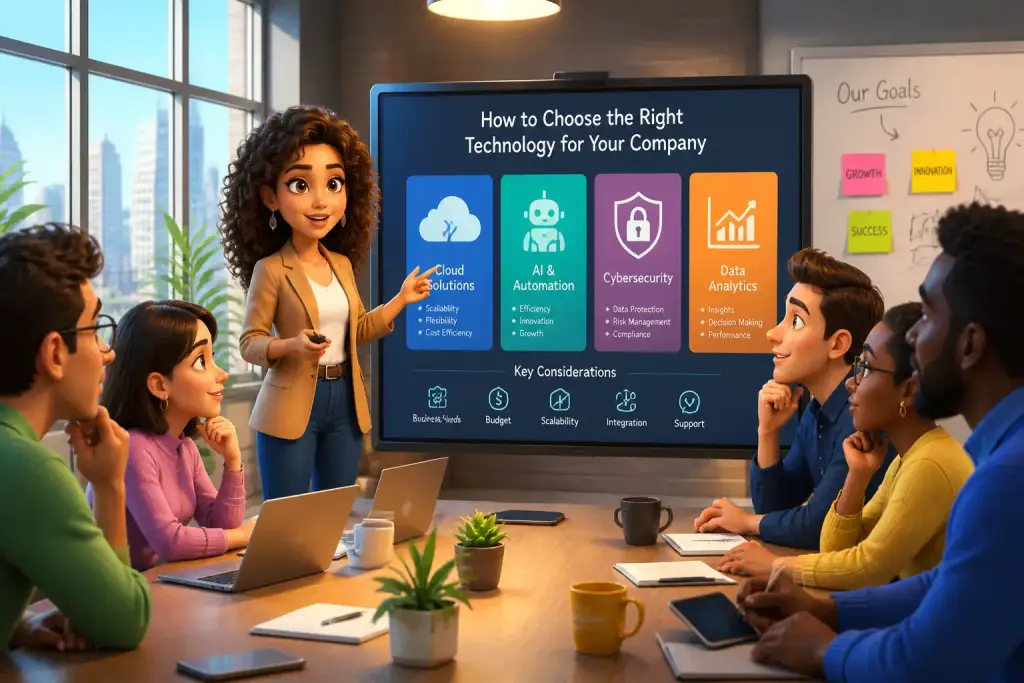
Choosing the right technology for your company is a pivotal decision that can significantly influence productivity, efficiency, and even employee morale. With the rapid advancement of technology today, organizations face an overwhelming array of options tailored to various needs. Understanding how to select the best technology not only streamlines operations but also supports overall business growth. A thoughtful approach ensures that your chosen solutions align with your company’s goals and enhance your team’s capabilities.
- Clearly define your company's specific needs and goals.
- Research and compare different technology options available.
- Involve your team in the decision-making process for better buy-in.
Assess Your Company’s Needs
Before diving into the tech world, take a step back and assess your company’s specific needs. This involves evaluating both current operations and future goals. Start by identifying the challenges your team is facing. Are there bottlenecks in productivity? Is communication lacking? By pinpointing these pain points, you can create a clear picture of what technology can address these issues.
Engaging your team in this assessment is crucial. Conduct workshops or surveys to gather input from different departments. This helps in understanding varied needs across the organization. For instance, the sales team may require a robust Customer Relationship Management (CRM) system, while the finance department may need advanced analytics tools. Collecting this information ensures that you look for technology solutions that cater to all aspects of the business.
Key Questions to Ask
- What specific problems are we trying to solve?
- What are our short-term and long-term goals?
- What technology do our competitors use?
- How will new technology integrate with our existing systems?
Once you have gathered this data, summarize it into key objectives that the new technology must meet. Having a clear set of needs will guide you through the vast options available in today’s market.
Research Available Technology Options
The next step involves researching the technology that aligns with your company’s needs. Start by exploring various categories of technology relevant to your business. This could range from software solutions, hardware, to cloud services. Utilize online resources, tech blogs, and reviews to gather insights on different products and services available in the market.
Attend industry trade shows and tech expos to see products up close and engage with vendors. This face-to-face interaction can provide valuable information about the latest innovations and how they might benefit your company. Additionally, consider online demonstrations or webinars offered by technology providers. These platforms often allow potential buyers to ask questions and get real-time feedback on functionalities.
Evaluating Technology Providers
- Check customer reviews and ratings from reliable sources.
- Assess the provider’s reputation in the industry.
- Inquire about customer service and support options.
- Look for case studies or success stories from similar companies.
This extensive research phase will help you compile a shortlist of potential technology solutions that meet your company’s unique needs.
Consider Budget and Cost-Effectiveness
Budget considerations play a significant role in your technology selection process. Understanding how much you are willing to spend is vital. This budget should encompass not only the initial purchase price but also ongoing costs such as maintenance, training, and upgrades. It’s essential to create a clear financial plan that aligns with your company’s financial capabilities and priorities.
Evaluate the total cost of ownership (TCO) for each technology solution. This involves calculating all costs associated with the technology over its lifespan. For instance, while a software system may have a low upfront cost, higher maintenance fees could make it more expensive in the long run. Conversely, investing in more expensive but robust solutions may lead to greater efficiency and savings over time.
Budgeting Tips
- Set a realistic budget that includes all associated costs.
- Prioritize essential features over luxury upgrades.
- Consider leasing options for costly equipment or software.
Establishing a well-defined budget will help you narrow down your options while ensuring you stay on track financially.
Always prioritize user-friendly technology that aligns with your team’s skills and workflows for a smoother transition and better adoption rates.
Evaluate Integration with Existing Systems
When choosing new technology, consider how well it will integrate with your current systems. Compatibility is crucial to avoid disruptions during implementation. A new software solution should work well with your existing platforms, ensuring data flows smoothly across systems. Assessing integration capabilities early in the process can save significant time and resources later.
Conduct testing with potential solutions to see how they interact with your existing technology stack. This might involve running pilot programs with new tools to evaluate their performance and compatibility. Additionally, consult with your IT team to ensure that any new technology aligns with your organization’s infrastructure.
Steps to Test Integration
- Identify key systems that the new technology must integrate with.
- Request trial periods from vendors for hands-on testing.
- Gather feedback from end-users during the trial phase.
- Evaluate the ease of data transfer between systems.
Involve Your Team in the Decision-Making Process
Involving your team in the technology selection process is a significant step that can influence the success of the implementation. When team members feel included, they are more likely to embrace change and actively participate in using the new technology. Gather input from various departments to understand their needs and preferences.
Conduct meetings or brainstorming sessions to discuss potential options. This collaborative approach can uncover insights that decision-makers might overlook. Moreover, consider forming a technology advisory group that includes representatives from different teams. This group can play a crucial role in evaluating options and providing feedback on potential solutions.
Benefits of Team Involvement
- Increases buy-in from employees, leading to smoother adoption.
- Provides diverse perspectives on technology needs.
- Encourages ownership and accountability among team members.
Creating an inclusive decision-making process can significantly enhance the likelihood of successful technology implementation.
Plan for Training and Support
Once you have selected the right technology for your company, planning for training and support becomes essential. Introducing new tools without adequate training can lead to frustration and decreased productivity. Evaluate the training options available from the technology provider. Many vendors offer training resources, such as tutorials, workshops, and user manuals.
Develop an in-house training plan tailored to your team’s needs. Assign tech-savvy employees as champions who can assist their peers during the transition. This peer support can foster a collaborative learning environment and ease the adjustment process. Consider scheduling regular training sessions to ensure everyone is comfortable with the new technology.
Strategies for Effective Training
- Set clear training objectives that align with business goals.
- Utilize various formats, such as videos, live training, and hands-on practice.
- Gather feedback to improve future training sessions.
Investing in comprehensive training and support can maximize the benefits of the new technology and enhance overall team productivity.
Monitor and Evaluate Technology Performance
After implementing a new technology solution, ongoing monitoring and evaluation are critical. This ensures that the technology is meeting the established objectives and providing the expected benefits. Set specific performance metrics to assess how well the technology is performing. These metrics might include user satisfaction ratings, productivity levels, and ROI.
Regularly review these metrics and gather feedback from your team. This feedback can provide insights into how the technology is being utilized and if any adjustments are necessary. If challenges arise, proactively seek solutions, whether by consulting the technology provider for support or by adjusting workflows.
Key Performance Indicators to Track
- User adoption rates: How many employees are actively using the technology?
- Productivity improvements: Are teams completing tasks more efficiently?
- Cost savings: Is there a noticeable reduction in expenses after implementation?
By continuously monitoring and evaluating technology performance, you can ensure that your investment continues to pay off and adapt to changing business needs over time.

Federica Ferrari
Founder & Lead EditorFederica Ferrari is the founder and lead editor of Business Braintech, based in Italy. She provides readers with practical guidance on emerging technologies for business transformation.