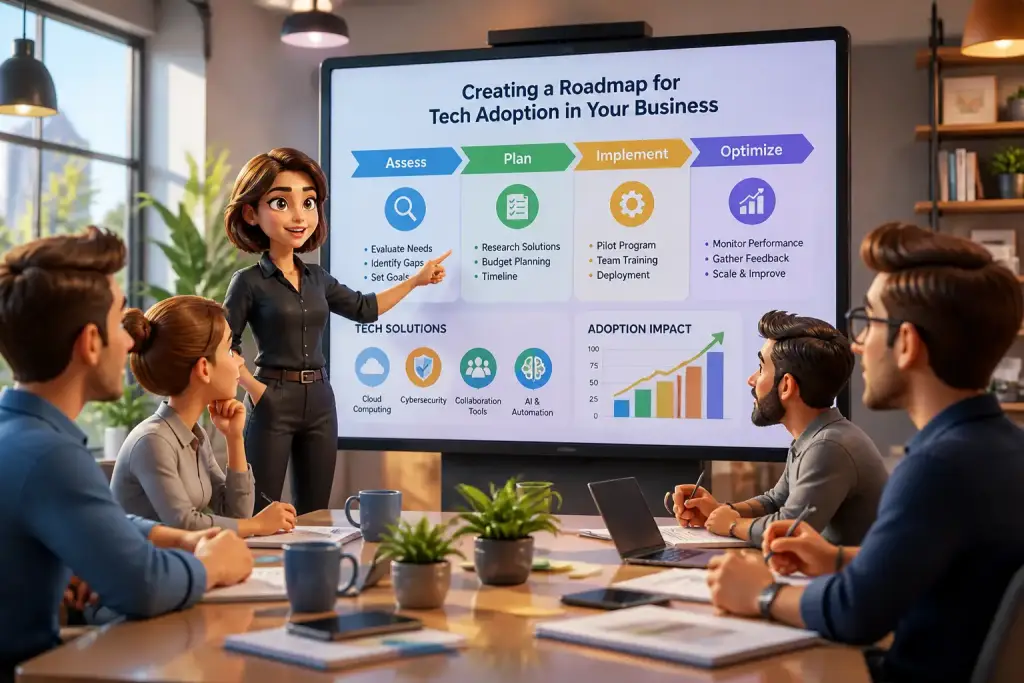









In today’s fast-paced world, businesses must adapt to technological advancements to stay competitive. Developing a tech-driven business strategy is essential for companies seeking to thrive in this environment. This strategy not only enhances operational efficiency but also fosters innovation and growth. Understanding how to integrate technology into various aspects of your business can lead to significant improvements in productivity and customer satisfaction.
- Identify key technologies that align with your business goals.
- Build a culture of continuous learning and innovation among team members.
- Regularly assess and adjust your strategy based on data and market trends.
Assessing Your Current Business world
Before implementing a tech-driven strategy, evaluate your existing business world. Identify current challenges and opportunities that technology can address. This assessment serves as a foundation for creating a targeted approach. Begin by analyzing your industry, competition, and consumer behavior. Understanding where your business stands can inform your decisions moving forward.
Conducting a SWOT analysis is a valuable tool in this assessment phase. By examining your business’s strengths, weaknesses, opportunities, and threats, you can pinpoint areas where technology can play a role. For example, if your business struggles with customer feedback, technology solutions like chatbots or customer relationship management (CRM) systems can enhance communication. Recognizing these gaps allows for a more strategic allocation of resources.
Steps to Conduct a SWOT Analysis
- Strengths: Identify what your business does well. What advantages do you have over competitors?
- Weaknesses: Assess areas where your business could improve. Are there operational inefficiencies?
- Opportunities: Look for external factors that could benefit your business. Are there emerging technologies that could enhance your offerings?
- Threats: Recognize potential challenges from competitors or market changes. How could technology mitigate these threats?
This thorough evaluation sets the stage for identifying specific technologies that align with your goals. By understanding both internal and external factors, you can make informed decisions about which tech solutions to implement.
Setting Clear Goals and Objectives
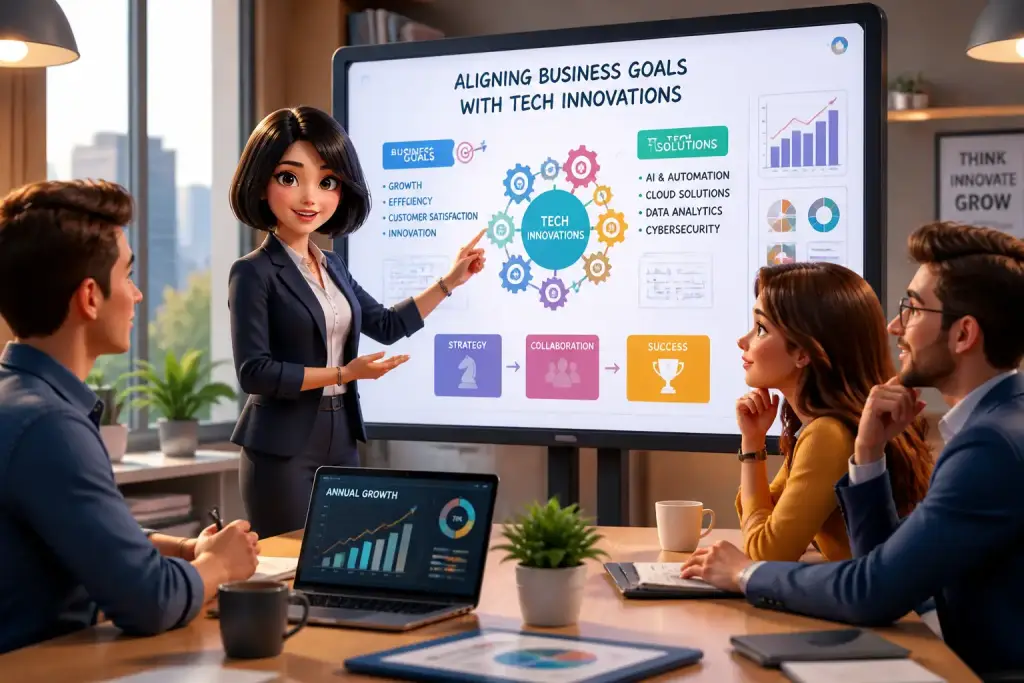
Establishing clear goals and objectives is vital when developing your tech-driven business strategy. These goals should be specific, measurable, achievable, relevant, and time-bound (SMART). A well-defined objective provides direction and focus, ensuring that all team members understand the desired outcomes.
For instance, if your goal is to improve customer satisfaction, set a measurable target, such as increasing customer satisfaction scores by 20% within six months. This specificity allows you to track progress and adjust your strategy as needed. Communicate these goals to your team to foster a sense of ownership and accountability.
Examples of SMART Goals
- Increase online sales by 30% in the next quarter through targeted digital marketing campaigns.
- Implement a new project management software to enhance team collaboration and reduce project completion time by 15% within the next year.
- Achieve a 25% reduction in operational costs by adopting automation tools in key processes within the next six months.
By focusing on specific outcomes, your team can rally around shared objectives, driving motivation and innovation. Consistent review of these goals allows for necessary adjustments in response to changing market conditions. A proactive approach ensures that your strategy remains relevant and effective.
Implementing Technology Solutions
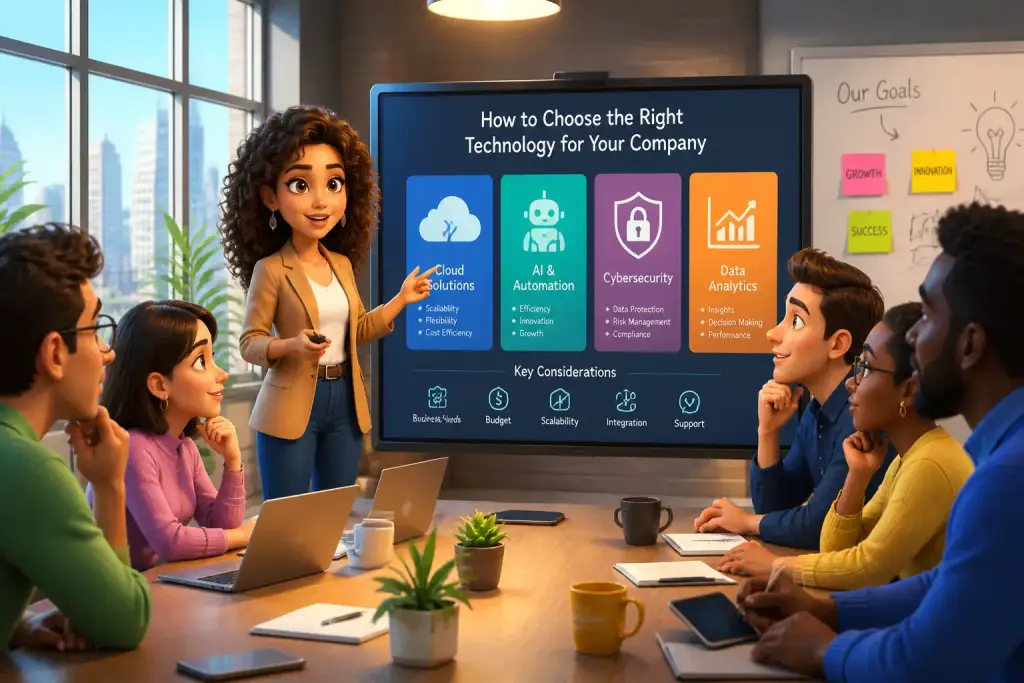
Choosing the right technology solutions is a core aspect of developing a tech-driven business strategy. Begin by researching tools that fit your specific needs and goals. Consider factors such as scalability, user-friendliness, and integration capabilities with existing systems. Engaging with stakeholders during this phase is also crucial, as they can provide valuable insights into daily operations.
For example, if enhancing communication is a goal, consider collaboration tools like Slack or Microsoft Teams. These platforms facilitate real-time communication and file sharing, promoting teamwork. Additionally, research data analytics software to derive insights from customer interactions and market trends.
Steps to Select Technology Solutions
- Identify your business needs and pain points.
- Research potential technology solutions that address these needs.
- Evaluate options based on user reviews, case studies, and demo versions.
- Consult with your team to gather feedback on usability and functionality.
- Make a decision based on collective input and strategic alignment.
By following these steps, you can ensure that the technology you choose aligns with your business goals and enhances operational efficiency. Investing time in this process pays off, as the right tools can transform how your team works and interacts.
Building a culture of Innovation
A tech-driven business strategy requires a culture that encourages innovation and adaptability. Fostering this culture involves creating an environment where team members feel empowered to share ideas and experiment with new technologies. Encouragement from leadership plays a critical role in developing such a culture.
One way to promote innovation is by implementing regular brainstorming sessions. These meetings allow employees to present new ideas or suggest improvements to existing processes. Consider establishing an innovation lab or dedicated time for team members to work on new projects. This practice not only stimulates creativity but also shows that the organization values input from all levels.
Elements of a Supportive Innovation Culture
- Open Communication: Encourage all team members to voice their ideas without fear of criticism. This openness fosters creativity.
- Continuous Learning: Provide training opportunities to help employees stay updated on the latest technologies and trends.
- Recognition: Celebrate successful innovations and contributions. Recognizing efforts motivates employees to continue pushing boundaries.
By nurturing a culture of innovation, businesses can remain agile and responsive to changing market demands. This adaptability is essential in a landscape where technological advancements occur rapidly. Employees who feel valued and empowered contribute significantly to the overall success of the organization.
Regularly evaluate emerging technologies to stay ahead of competitors and adapt your strategy accordingly.
Measuring Success and Adapting Strategies
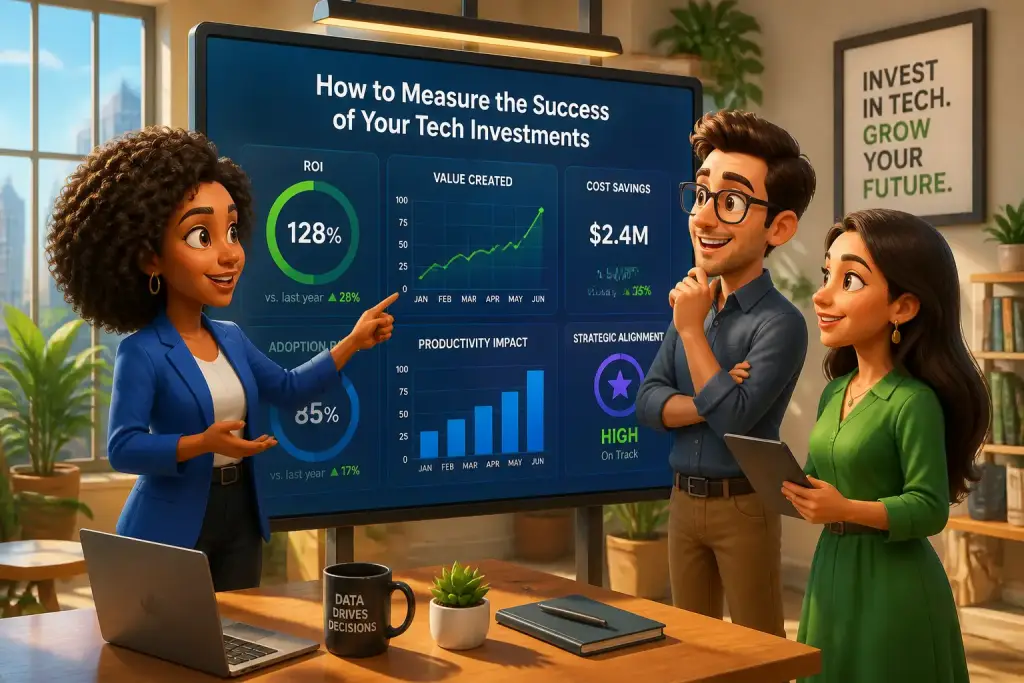
Measuring success is a critical component of any tech-driven business strategy. Establishing key performance indicators (KPIs) allows you to track progress towards your goals. Regularly reviewing these metrics enables you to evaluate the effectiveness of your technology solutions and overall strategy.
For example, if one of your goals is to increase online sales, you might track metrics such as conversion rates, average order values, and customer retention rates. Analyzing these KPIs provides insight into how well your strategy is performing and where adjustments may be necessary.
Steps to Measure Success
- Define key performance indicators that align with your business goals.
- Set up tools to collect and analyze data related to these KPIs.
- Regularly review performance data and compare it against your objectives.
- Use insights gained to make informed decisions about necessary adjustments.
By implementing a robust measurement system, you can identify trends and areas for improvement. This data-driven approach allows for continuous refinement of your tech-driven strategy, ensuring that your business remains competitive and responsive to market changes.
Embracing Future Technologies
As technology continues to evolve, businesses must stay informed about emerging trends that can impact their strategies. Technologies such as artificial intelligence, machine learning, and blockchain are becoming increasingly relevant across various industries. Staying ahead of these trends positions your business for future success.
Consider investing in research and development to explore how these technologies can benefit your operations. For instance, businesses in retail can use AI to personalize customer experiences, while those in finance may explore blockchain for secure transactions. Understanding these technologies and their applications can lead to innovative solutions that enhance your offerings.
Steps to Stay Informed About Future Technologies
- Industry Research: Regularly read industry news and reports to stay updated on emerging technologies and trends.
- Networking: Attend conferences and workshops to connect with industry experts and learn about innovative practices.
- Partnerships: Collaborate with tech companies or startups to gain insights into cutting-edge technologies and their practical applications.
By embracing future technologies, your business can remain agile and competitive. Proactively exploring innovative solutions allows for timely adaptation and continuous improvement, which is essential for long-term success.
Driving Continuous Improvement
Continuous improvement is vital for maintaining a tech-driven business strategy. This concept involves regularly assessing and refining processes, technologies, and strategies to enhance efficiency and effectiveness. Establishing a mindset of continuous improvement fosters innovation and helps businesses adapt to changing market conditions.
Encourage team members to provide feedback on processes and technologies regularly. Implementing their suggestions can lead to significant improvements and build a culture of ownership. For example, if team members suggest a new project management tool, explore how it could enhance collaboration and efficiency.
Strategies for Continuous Improvement
- Feedback Loops: Create channels for employees to share feedback on processes and technology regularly.
- Regular Training: Provide ongoing training opportunities to help employees stay updated on best practices and new technologies.
- Benchmarking: Compare your processes and performance against industry standards to identify areas for improvement.
By committing to continuous improvement, businesses can ensure that their tech-driven strategies remain effective and relevant. This dedication to progress not only enhances efficiency but also fosters a culture of innovation and adaptability.

Federica Ferrari
Founder & Lead EditorFederica Ferrari is the founder and lead editor of Business Braintech, based in Italy. She provides readers with practical guidance on emerging technologies for business transformation.