







Table of Contents
Establishing a Growth Mindset in Marketing
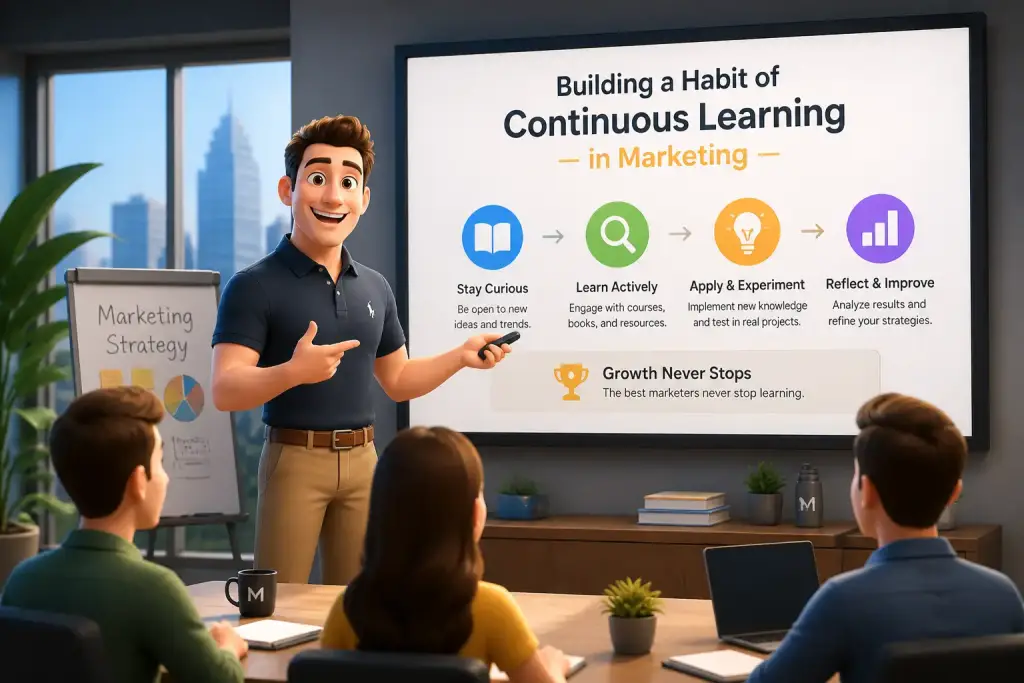
Creating a habit of continuous learning starts with building a growth mindset. This mindset encourages individuals to view challenges as opportunities for growth rather than obstacles. In the field of marketing, where trends change rapidly, cultivating this perspective is essential. A growth mindset fosters resilience and adaptability, traits that are invaluable for marketers who need to keep up with new strategies and technologies.
- Regularly seek new knowledge through online courses and webinars.
- Create a learning schedule that fits your daily routine.
- Join marketing communities to share insights and experiences.
To develop this mindset, start by embracing the idea that skills can be improved. For example, if you struggle with data analysis, consider it a chance to learn rather than a limitation. Engage with resources such as online courses or workshops that focus on data analytics. This proactive approach not only enhances your skill set but also boosts confidence, making it easier to tackle other challenges.
Another effective way to encourage a growth mindset is through positive self-talk. Replace negative thoughts like “I can’t do this” with “I can learn how to do this.” This shift in perspective helps to keep motivation high. Regularly remind yourself of your previous successes, no matter how small. Each accomplishment reinforces the belief that learning and growth are attainable.
Finally, surround yourself with individuals who share a similar commitment to growth. Join marketing groups or communities where members discuss their learning journeys and share valuable insights. This supportive environment can inspire you to continue pursuing new knowledge and skills.
Identifying Learning Opportunities
Recognizing where to find valuable learning opportunities is a critical step in building a habit of continuous learning. Various resources are available for marketers from online platforms to local workshops. The key is to remain vigilant and open to new information sources.
Online platforms like Coursera, Udemy, and LinkedIn Learning offer a wide range of courses tailored to marketing professionals. These platforms cover topics from SEO to social media marketing, allowing you to choose areas most relevant to your career goals. For instance, if you want to improve your email marketing skills, look for courses specifically focused on that topic. Many of these platforms also allow you to learn at your own pace, making it easier to fit learning into your schedule.
To online courses, consider attending local marketing events or workshops. These gatherings provide opportunities to learn from industry experts and network with peers. Engaging in discussions at these events can spark new ideas and motivate you to explore different aspects of marketing. Look for events in your area through platforms like Meetup or Eventbrite.
Finally, podcasts and webinars are excellent resources for continuous learning. Many industry leaders share their insights and experiences through these formats. Regularly listening to marketing podcasts can keep you informed about the latest trends and strategies while making learning enjoyable.
Creating a Structured Learning Plan
A structured learning plan is essential for maintaining consistency in your continuous learning journey. Without a plan, it can be easy to lose focus or become overwhelmed by the vast amount of information available. Start by assessing your current skills and identifying areas for improvement.
Once you have a clear understanding of your strengths and weaknesses, set specific learning goals. For instance, if you want to enhance your content marketing skills, aim to complete a course within a specific timeframe. Break the course into manageable sections and set deadlines for each. This approach not only makes the learning process less daunting but also keeps you accountable.
Incorporate different learning methods into your plan. Mix online courses with reading articles, listening to podcasts, or attending webinars. This variety helps maintain your interest and accommodates different learning styles. For example, you might read about social media strategy one week and watch a webinar on SEO the next. This diverse approach keeps your learning fresh and engaging.
Finally, regularly review your progress. Set aside time each month to evaluate what you have learned and how it has impacted your marketing skills. Adjust your plan as needed to reflect any new interests or goals. This flexibility is crucial in a field that changes quickly.
When focusing on applying what you learn, test incremental daily adjustments for 2 weeks before making permanent changes to evaluate real results.
Leveraging Online Resources and Communities
Utilizing online resources and communities is an excellent way to enhance your continuous learning habit. Many platforms provide valuable information and support through forums and groups. Engaging with these resources can significantly expand your knowledge and provide fresh perspectives.
Start by joining online marketing communities, such as those on LinkedIn or Facebook. These groups offer a platform for professionals to share insights, ask questions, and discuss trends. Actively participating in discussions can help you learn from others’ experiences and broaden your understanding of complex topics. Consider posting questions or sharing your insights to foster engagement.
Follow industry leaders and experts on social media. Many share regular updates, tips, and resources that can enhance your learning. For instance, subscribing to newsletters from reputable marketing websites can deliver curated content directly to your inbox. This allows you to stay informed about the latest trends and strategies without spending too much time searching for information.
Another effective way to use online resources is through webinars and virtual conferences. Many organizations host events that feature industry experts discussing relevant topics. Participating in these events not only provides valuable information but also allows for networking opportunities. Engaging with presenters and other attendees can lead to meaningful connections and collaborations in the future.
Applying What You Learn
Applying new knowledge is vital in solidifying your learning and ensuring that it translates into real-world skills. The marketing field is highly practical, meaning that theoretical knowledge needs to be put into action to be valuable. Regularly seek opportunities to implement what you learn in your daily work.
Start small by testing new strategies or techniques in your current projects. For example, if you have learned about a new social media advertising method, try it on a small campaign first. This allows you to gauge its effectiveness without risking significant resources. Document the results and analyze what worked and what didn’t. This reflection will deepen your understanding and help you refine your approach.
Another effective method is to collaborate with colleagues on projects. Sharing insights and learning from each other can lead to innovative ideas and solutions. If a team member excels in a particular area, ask them to share their expertise with you. This collaboration not only enhances your skills but also fosters a culture of continuous learning within your workplace.
Finally, take the time to teach others what you have learned. Whether it’s through a presentation, a blog post, or a casual conversation, teaching reinforces your understanding. It also contributes to the learning culture in your organization. Sharing knowledge encourages others to engage in their learning journeys, creating a more skilled and competent team.
Staying Motivated on Your Learning Journey
Maintaining motivation is essential for building a lasting habit of continuous learning. There will be times when it feels challenging to keep pushing forward. Finding strategies to stay motivated can help you remain committed to your learning goals.
Start by setting clear short-term and long-term goals. Short-term goals provide immediate motivation as you achieve them, while long-term goals give you a broader vision of where you want to go. Celebrate small victories along the way, whether completing a course or mastering a new skill. Recognizing these achievements can boost your confidence and encourage you to continue.
Incorporate rewards into your learning plan. After completing a challenging course or project, treat yourself to something enjoyable. This could be a night out, a favorite meal, or a small purchase you have been wanting. Associating learning with positive experiences helps reinforce the habit.
Finally, connect with a learning buddy or mentor. Sharing your learning journey with someone else creates accountability. You can motivate each other to keep advancing and share resources. This partnership helps maintain enthusiasm and keeps you focused on your goals.
Building a Sustainable Learning Culture
Creating a sustainable learning culture within your organization can significantly enhance overall team performance. When continuous learning becomes a core value, everyone benefits from shared knowledge and skills. This culture encourages innovation and adaptability, essential traits in the fast-paced marketing environment.
To foster this culture, start by leading by example. Share your learning experiences and encourage team members to do the same. Organize regular knowledge-sharing sessions where team members can present what they have learned. These sessions can cover recent trends, successful strategies, or new tools, benefiting everyone involved.
Provide access to learning resources. Invest in tools and platforms that offer training and development opportunities. This could include subscriptions to online courses, access to industry publications, or even hosting workshops. When employees feel supported in their learning, they are more likely to engage and share their knowledge.
Lastly, recognize and reward continuous learning efforts. Create a recognition program that highlights individuals or teams that demonstrate a commitment to learning. This recognition can be formal, such as awards, or informal, such as shout-outs in team meetings. Celebrating these efforts reinforces the importance of continuous learning and motivates others to participate.