








Table of Contents
- Crafting Your Email List: The Foundation of Success
- Segmenting Your Audience for Better Engagement
- Crafting Compelling Content That Converts
- Utilizing Automation to Streamline Processes
- Measuring Success: Metrics That Matter
- Integrating Email Marketing with Other Channels
- Staying Compliant with Email Marketing Regulations
Crafting Your Email List: The Foundation of Success
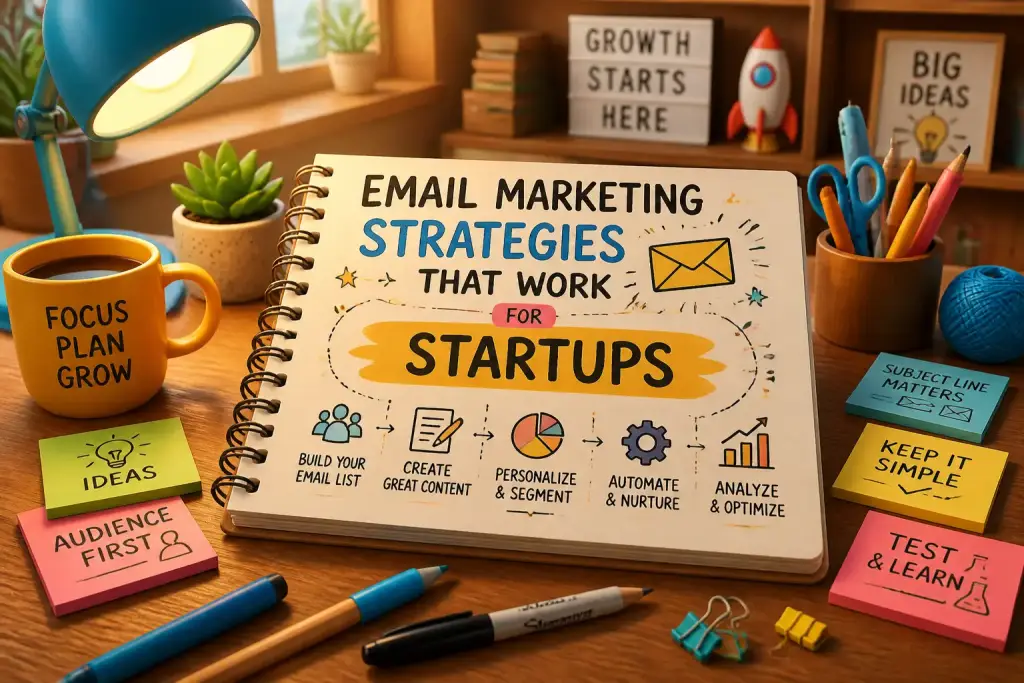
Building a strong email list is vital for any startup wanting to succeed. Unlike social media followers, email subscribers have shown interest in your content and services. Start by leveraging your existing contacts. Gather emails from friends, family, and professional connections who may benefit from your product or service. This initial list can serve as a strong base for your marketing efforts.
- Build a targeted email list from the start.
- Craft personalized content to engage your audience.
- Analyze metrics to refine your strategies consistently.
Offering value in exchange for email addresses can significantly grow your list. Consider creating lead magnets such as eBooks, free trials, or exclusive discounts. For instance, if you run a software startup, offering a free trial encourages users to sign up. This approach not only builds your list but also introduces potential customers to your product.
Utilize social media platforms to promote your lead magnets. By sharing engaging content that links to sign-up forms, you can draw in a larger audience. Keep your sign-up forms simple. Ask for only essential information like the name and email address at first. You can collect more details later through surveys or follow-up emails. This strategy reduces friction, increasing the chances that users will subscribe.
Segmenting Your Audience for Better Engagement
Segmentation is a powerful strategy that helps you send targeted emails based on specific criteria. Dividing your list into smaller groups allows you to tailor content that resonates with each segment. For example, you could segment your audience by demographics, interests, or past purchase behavior. This approach ensures that your messages are relevant and timely.
To implement segmentation, first, analyze your existing email list. Identify common characteristics among your subscribers. Once you have groups, customize your email content to align with their interests. For instance, if your startup sells fitness gear, you might send different emails to customers interested in running versus those who prefer yoga.
Steps to Segment Your Email List
- Analyze your current subscriber data to identify patterns.
- Create specific segments based on interests or behavior.
- Personalize your email content for each segment.
- Monitor engagement metrics to refine your segments.
Regularly review and update your segments as your audience grows and evolves. This ongoing process ensures that you maintain relevance in your email marketing efforts.
Crafting Compelling Content That Converts
Content plays a pivotal role in email marketing success. Engaging, relevant content encourages readers to take action. Start by writing catchy subject lines that grab attention. A subject line is often the first impression a recipient has of your email, so make it count. Aim for clarity and intrigue to encourage opens. For example, “Unlock Your Free Trial Today!” invites curiosity and encourages clicks.
Your email body should provide value. Use concise, friendly language. Focus on how your product solves a problem or enhances the reader’s life. Incorporate visuals like images or infographics to break up text and improve readability. Including testimonials or success stories can also add credibility and encourage conversions.
Elements of Effective Email Content
- Catchy subject lines that evoke curiosity.
- A clear call-to-action (CTA) encouraging specific actions.
- Personalized greetings using the subscriber’s name.
- Valuable content that addresses the reader’s needs or interests.
Experiment with different content formats, such as videos or interactive quizzes, to see what resonates best with your audience. The more engaging your emails are, the more likely your subscribers will look forward to your messages.
Segment your audience to send tailored messages that resonate and improve engagement rates.
Utilizing Automation to Streamline Processes
Email automation can save time and enhance your marketing efforts. By setting up automated email campaigns, you can maintain consistent communication without manual intervention. Start with welcome emails for new subscribers. This initial message can outline what they can expect from your emails and provide a warm introduction to your brand.
Consider creating drip campaigns that gradually send a series of emails over time. These campaigns nurture leads by providing valuable information that guides them through the buyer’s journey. For instance, a series of informative emails can educate potential customers about your product’s benefits and features.
Steps to Implement Email Automation
- Choose an email marketing platform that supports automation.
- Create specific automation workflows for various subscriber actions.
- Set triggers for sending emails based on user behavior.
- Test and optimize your automated emails for effectiveness.
Automation allows you to reach subscribers at the right time, improving engagement and increasing the likelihood of conversions. Regularly review your automated campaigns to ensure they align with your overall marketing goals.
Measuring Success: Metrics That Matter
Tracking performance is essential to evaluate your email marketing efforts. Key metrics provide insights into how your campaigns perform and where improvements are needed. Start by monitoring open rates, which indicate how effective your subject lines are. A low open rate may signal the need for more compelling subject lines or better-targeted audiences.
Click-through rates (CTR) are another critical metric to assess. This figure shows how many recipients clicked on links within your email. A high CTR suggests that your content resonates well with your audience. If your CTR is low, consider revising your email content or CTAs to make them more appealing.
Important Email Metrics to Track
- Open Rate: Percentage of recipients who opened your email.
- Click-Through Rate: Percentage of clicks on links in the email.
- Conversion Rate: Percentage of recipients who completed a desired action.
- Unsubscribe Rate: Percentage of recipients opting out of your list.
Regularly analyze these metrics to identify trends and areas for improvement. Adjust your strategies based on the data to keep your email marketing efforts effective and aligned with your goals.
Integrating Email Marketing with Other Channels
Email marketing does not exist in a vacuum. Integrating it with other channels can enhance your overall marketing strategy. Social media platforms, for instance, can serve as valuable tools for growing your email list. Promote your email sign-up forms on your social profiles to encourage followers to subscribe.
Consider cross-promoting your email campaigns with blog posts or webinars. If you publish a blog post, share it via email and encourage subscribers to engage with your content. Similarly, hosting a webinar can be an excellent opportunity to collect emails while providing value to your audience.
Ways to Integrate Email with Other Channels
- Promote email sign-ups on social media channels.
- Use blog content to drive traffic to your email campaigns.
- Host webinars and collect emails through registration.
- Collaborate with influencers to reach wider audiences.
Consistent messaging across channels reinforces your brand and enhances recognition. By combining email marketing with other platforms, you can create a cohesive experience that drives engagement and sales.
Staying Compliant with Email Marketing Regulations
Compliance with email marketing regulations is critical for startups. Familiarize yourself with laws such as the General Data Protection Regulation (GDPR) and the CAN-SPAM Act. These regulations outline the requirements for obtaining consent, providing opt-out options, and protecting user data.
Always include an easy way for subscribers to opt-out of your emails. This practice not only complies with regulations but also fosters trust with your audience. Additionally, ensure that you collect user information transparently and store it securely to protect their privacy.
Essential Compliance Practices
- Obtain explicit consent from subscribers before sending emails.
- Provide clear opt-out options in every email.
- Safeguard user data with robust security measures.
- Stay informed about changes in email marketing laws.
By prioritizing compliance, you can build a reputable brand while minimizing legal risks and fostering trust with your subscribers. Keeping your email marketing practices ethical and transparent benefits both your startup and your audience.