









Table of Contents
Identify Your Target Audience
Understanding your target audience is the first step in using social media tools effectively for your startup. Without knowing who you are talking to, your messages may fall flat. Start by creating customer personas that represent your ideal customers. Consider their age, interests, and where they spend time online. This information will guide your content creation and platform choice.
- Identify the right platforms for your target audience.
- Create engaging content that resonates with your followers.
- Utilize analytics tools to track your progress and adjust strategies.
For example, if your startup offers tech solutions for small businesses, your target audience might be small business owners aged 30-50. They may prefer platforms like LinkedIn or Facebook over TikTok. By focusing your efforts on these platforms, you can reach people who are more likely to engage with your brand.
Use social media analytics tools to gather data about your current followers. Check which posts get the most engagement to understand their preferences. Tools like Facebook Insights or Instagram Analytics can provide valuable information about your audience’s demographics and behavior. This data is crucial for tailoring your content and ensuring it resonates with your audience.
Create Engaging Content
Content is king in the world of social media. To capture the attention of your audience, you need to create engaging and relevant content. Focus on quality over quantity; it is better to post less frequently with high-quality posts than to bombard your audience with low-value content. Use captivating visuals and clear, concise messaging to attract followers.
Consider using a mix of content types. Share articles, videos, infographics, and user-generated content to keep your feed fresh and interesting. For example, if you run a fitness startup, you might share workout videos, healthy eating tips, and success stories from your customers. This variety keeps your audience engaged and encourages them to interact with your posts.
Tips for Creating Compelling Posts
- Use high-quality images or graphics to grab attention. Visual content is more likely to be shared.
- Craft catchy headlines that spark curiosity. A great headline encourages clicks and shares.
- Include calls to action. Encourage your audience to comment, share, or visit your website.
Incorporating stories into your content can also enhance engagement. Share your startup’s journey, challenges, and victories. People connect with personal stories, and this connection can significantly increase your brand’s reach.
Utilize Social Media Management Tools
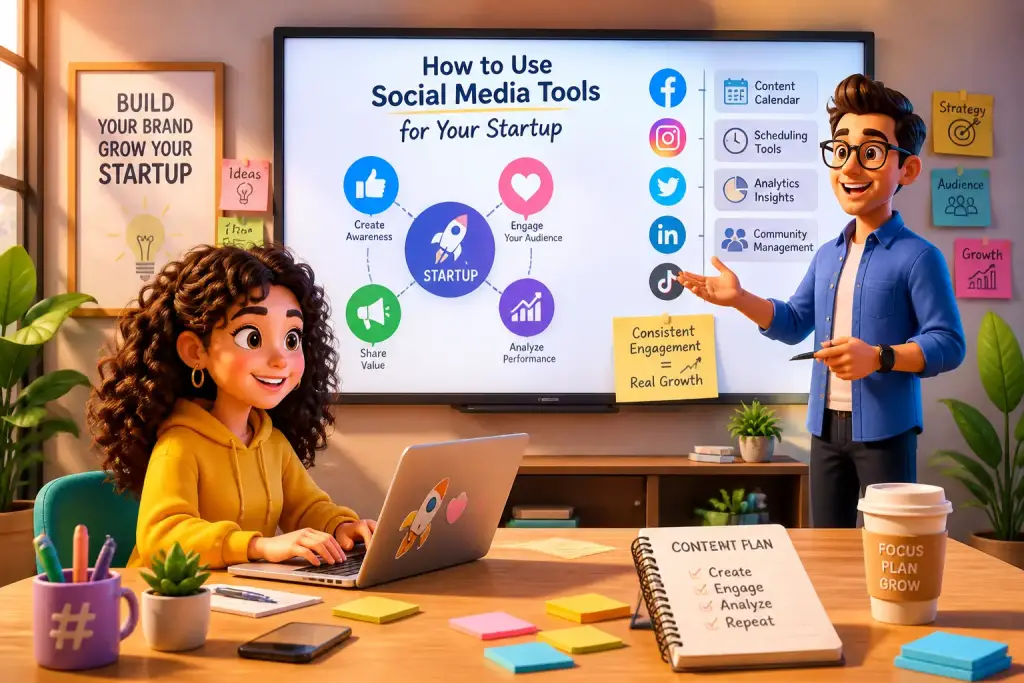
Managing multiple social media accounts can be overwhelming for any startup. Social media management tools simplify this process, allowing you to plan, schedule, and analyze your posts from one dashboard. Tools like Buffer, Hootsuite, and Sprout Social can save you time and help you maintain a consistent posting schedule.
With these tools, you can create a content calendar that outlines what to post and when. This strategy keeps your social media presence organized and ensures that you are consistently engaging with your audience. Additionally, many of these platforms offer analytics features to track the performance of your content, allowing you to adjust your strategies based on data.
Steps to Use a Social Media Management Tool
- Sign up for a management tool that fits your needs and budget.
- Connect your social media accounts to the tool.
- Create a content calendar and plan your posts.
- Monitor engagement and adjust your strategy based on analytics.
These tools not only streamline your workflow but also help you analyze what works best for your audience. By focusing on analytics, you can improve your content strategy over time and achieve better results.
Engage with Your Audience
Building a community around your startup is vital for long-term success. Engaging with your audience on social media helps establish trust and loyalty. Responding to comments, asking questions, and encouraging discussions can create a more interactive environment for your followers.
Consider hosting live Q&A sessions or webinars where your audience can interact with you directly. This not only provides valuable information but also allows you to connect with your audience on a personal level. When followers feel valued and heard, they are more likely to become loyal customers.
Effective Engagement Strategies
- Respond promptly to comments and messages. A quick response shows that you care about your audience.
- Share user-generated content. Highlighting your customers’ experiences can encourage others to engage.
- Create polls or surveys to gather feedback. This shows that you value your followers’ opinions.
Engagement is not just about replying to comments; it is about creating a two-way conversation. By actively participating in discussions and valuing your audience’s input, you build a loyal community that supports your startup.
Leverage Influencer Marketing
Influencer marketing has become a powerful tool for startups. Collaborating with influencers can help you reach a larger audience quickly. Choose influencers whose values align with your brand and who have an engaged following that matches your target audience.
For instance, if your startup offers eco-friendly products, partnering with an influencer who promotes sustainability can enhance your brand’s visibility. They can create content that showcases your products, providing authentic endorsements that resonate with their followers.
How to Choose the Right Influencer
- Research potential influencers in your niche.
- Evaluate their engagement rates and follower demographics.
- Reach out with a personalized message explaining why you want to collaborate.
When planning a campaign, be clear about your goals. Define what success looks like, whether it is increased sales, brand awareness, or social media followers. By setting specific objectives, you can measure the effectiveness of your influencer partnerships.
Post consistently and interact with your audience to build a loyal community around your brand.
Analyze and Adjust Your Strategies
Regular analysis of your social media efforts is essential for growth. Use the analytics provided by social media platforms and management tools to track your performance. Look at metrics such as engagement rates, follower growth, and website traffic from your social media channels.
After gathering data, assess what is working and what isn’t. For example, if you notice that video posts receive significantly more engagement than images, consider focusing more on video content. Adjusting your strategy based on data ensures that you are always improving and meeting your audience’s needs.
Key Metrics to Monitor
- Engagement Rate: Measures how well your audience interacts with your content.
- Follower Growth: Indicates how quickly your audience is expanding.
- Website Traffic: Shows how many visitors come to your site from social media.
By continuously analyzing your efforts, you can adapt your approach and drive better results. This ongoing process is vital for maintaining an effective social media presence and ensuring your startup remains competitive.
Building a Strong Social Media Presence
Establishing a strong social media presence requires dedication and consistency. It is important to remember that building relationships and trust takes time. Focus on implementing the strategies discussed above to create a meaningful connection with your audience.
Regularly experimenting with different types of content, platforms, and engagement techniques can also help you find what resonates best with your audience. Don’t be afraid to try new approaches or pivot when necessary. The social media landscape is always changing, and your startup must adapt to stay relevant.
As you grow your social media presence, continue to engage with your audience and gather feedback. This ongoing dialogue will not only strengthen your community but also provide valuable insights to improve your products and services. With the right tools and strategies, your startup can thrive in the competitive online space.