








Table of Contents
Identify Your Target Audience
Understanding your target audience is the first step in effective content marketing. Without a clear picture of who you are trying to reach, creating relevant content becomes nearly impossible. Begin by conducting thorough market research to determine demographics, preferences, and pain points. Use surveys, social media polls, and analytic tools to gather this data.
- Create valuable content that addresses your audience's pain points.
- Use various formats like blogs, videos, and infographics to reach more people.
- Measure and adjust your strategies based on analytics insights.
Once you have this information, create detailed buyer personas. These personas should include characteristics such as age, profession, interests, and challenges. This helps in crafting content that speaks directly to your audience’s needs. For example, if your target audience consists of young professionals, you might focus on quick, actionable tips that fit into their busy lives.
To refine your understanding, consider segmenting your audience further. You might find that different groups respond to different types of content. For instance, visual learners may prefer videos or infographics, while others might appreciate in-depth articles. Tailoring your approach allows for better engagement and more effective marketing.
Create Valuable Content
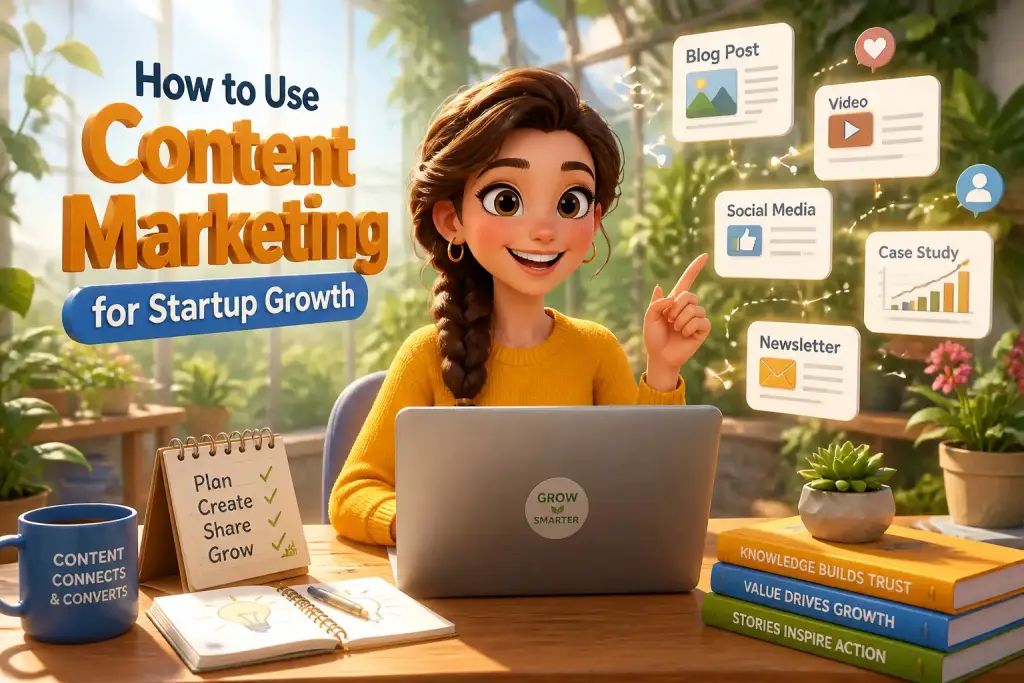
Once you know your audience, focus on creating valuable content that addresses their specific needs. Valuable content provides solutions, insights, or entertainment that keeps your audience interested. Blog posts, videos, podcasts, and social media updates are all excellent formats for delivering this content.
Consider using storytelling techniques to make your content relatable. Share real-life examples or case studies that highlight how your product or service has helped others. This not only builds trust but also encourages your audience to connect emotionally with your brand. Additionally, ensure that your content is well-researched and accurate, as this enhances credibility.
Another effective strategy is to incorporate user-generated content. This can include testimonials, reviews, or social media posts from your customers. Sharing this type of content not only showcases your product’s effectiveness but also fosters a sense of community around your brand.
Utilize Various Content Formats
Diverse content formats keep your audience engaged and can help you reach different segments of your audience effectively. While blog posts are a staple of content marketing, consider incorporating videos, infographics, podcasts, and webinars into your strategy. Each format offers unique advantages. For instance, videos can simplify complex topics and make them more digestible.
When creating videos, aim for short, engaging clips that can be shared on social media. Infographics are great for condensing large amounts of information into easily digestible visuals. They can be shared widely and often attract backlinks from other websites, enhancing your SEO efforts.
Podcasts are another growing medium that allows for deep dives into specific topics. Consider starting a series where industry experts share insights or discuss trends relevant to your niche. This not only positions your startup as a thought leader but also helps build a loyal following.
Optimize for SEO
Search engine optimization (SEO) plays a vital role in content marketing. Optimizing your content helps it rank higher in search engine results, making it easier for potential customers to find your brand. Start by conducting keyword research to identify the terms your audience is searching for. Use tools like Google Keyword Planner or SEMrush to discover relevant keywords.
Incorporate these keywords naturally into your content, including in headings, subheadings, and throughout the text. But avoid keyword stuffing, as this can negatively impact readability and SEO rankings. Instead, focus on creating high-quality, informative content that addresses your audience’s queries.
Utilize on-page SEO techniques. This includes optimizing meta descriptions, using alt tags for images, and ensuring a mobile-friendly design. Implementing these strategies can significantly enhance your online visibility and drive organic traffic to your site.
Leverage Social Media Platforms
Social media is a powerful tool for promoting your content and engaging with your audience. Utilize platforms like Facebook, Instagram, LinkedIn, and Twitter to share your content and interact with followers. Each platform has its unique audience and best practices, so tailor your approach accordingly.
For example, visual content tends to perform well on Instagram and Facebook, while LinkedIn is more suited for B2B content and professional insights. Use social media analytics tools to track engagement and adjust your strategy based on what resonates with your audience.
Consider running social media campaigns that encourage user interaction. This could involve contests, polls, or discussions around relevant topics. Engaging with your audience not only fosters loyalty but also increases brand awareness.
Research your target audience's interests and preferences to tailor your content effectively and boost engagement.
Measure and Analyze Performance
To ensure your content marketing efforts are effective, it’s essential to measure and analyze your performance regularly. Use tools like Google Analytics to track website traffic, user behavior, and conversion rates. By understanding how your audience interacts with your content, you can make informed decisions about future strategies.
Monitor key performance indicators (KPIs) such as page views, social shares, and lead generation. This data will help you identify which content types and topics are resonating with your audience. Additionally, keep an eye on bounce rates, as high bounce rates may indicate that your content needs improvement.
Consider conducting A/B testing for different content strategies. For example, you might test two different headlines or formats to see which performs better. This iterative approach allows you to refine your content marketing strategy continually.
Build a Community Around Your Brand
Creating a sense of community around your brand can lead to increased customer loyalty and engagement. Encourage interaction among your audience by responding to comments, sharing user-generated content, and creating forums or social media groups. This not only fosters a supportive environment but also encourages users to share their experiences with your brand.
Consider hosting webinars or live Q&A sessions where your audience can interact with your team. This direct engagement helps build trust and shows that you value your audience’s input. Additionally, regular communication through newsletters or email updates can keep your audience informed and engaged with your brand.
Finally, consider implementing a referral program. This can incentivize your current customers to spread the word about your brand, further expanding your reach. For guidance on building such a program, check out our article on Building a Referral Program for Your Startup.
Key Steps to Sustain Adapting Your Content Strategy
As you implement these strategies, remain flexible and willing to adapt your content marketing approach. The digital world is always changing, and staying current with trends and technologies is vital for continued success. Regularly review your marketing plans to ensure they align with your business goals and audience needs. For tips on this, check out our article on The Importance of Regularly Reviewing Your Marketing Plans.
By focusing on your audience, creating valuable content, and utilizing various marketing channels, your startup can thrive in today’s competitive landscape. Remember to measure your results and be ready to pivot when necessary. This proactive approach will help you maximize your content marketing efforts and achieve sustainable growth.
Lastly, consider utilizing automation tools to streamline your marketing processes. This can save valuable time and keep your strategies consistent. For insights on effective automation tools, visit our article on How to Automate Your Marketing with Simple Tools.