






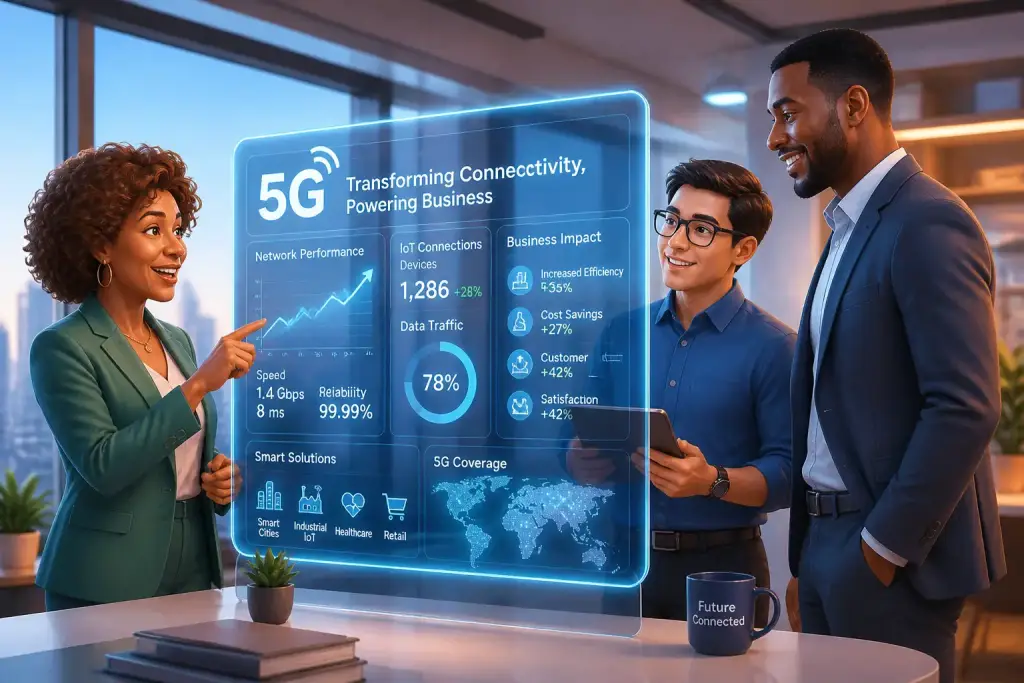
Businesses today are continually looking for ways to enhance their operations and remain competitive in a rapidly changing market. The introduction of 5G technology has sparked significant interest and excitement among companies across various industries. With its promise of faster speeds, lower latency, and greater connectivity, the impact of 5G on business operations is profound. It holds the potential to transform how organizations communicate, share data, and serve their customers. This article explores the various ways 5G technology influences business processes and operations.
- 5G technology enhances operational efficiency through faster data transfer.
- Businesses can leverage 5G for improved customer interactions and service delivery.
- The adoption of 5G can lead to significant cost savings in various sectors.
The Speed Advantage of 5G
5G technology offers speeds that are up to 100 times faster than 4G. This increased speed allows businesses to transfer large amounts of data quickly and efficiently. For example, companies can upload and download massive files in seconds, which is crucial for sectors like media, healthcare, and construction. Teams working remotely also benefit as they can access real-time data and collaborate seamlessly.
Speed translates into improved productivity. Consider a marketing team that needs to share video content with clients. With 5G, they can upload high-definition videos in moments, allowing for quicker feedback and faster campaign launches. This speed reduces downtime and helps teams stay agile and responsive to market demands.
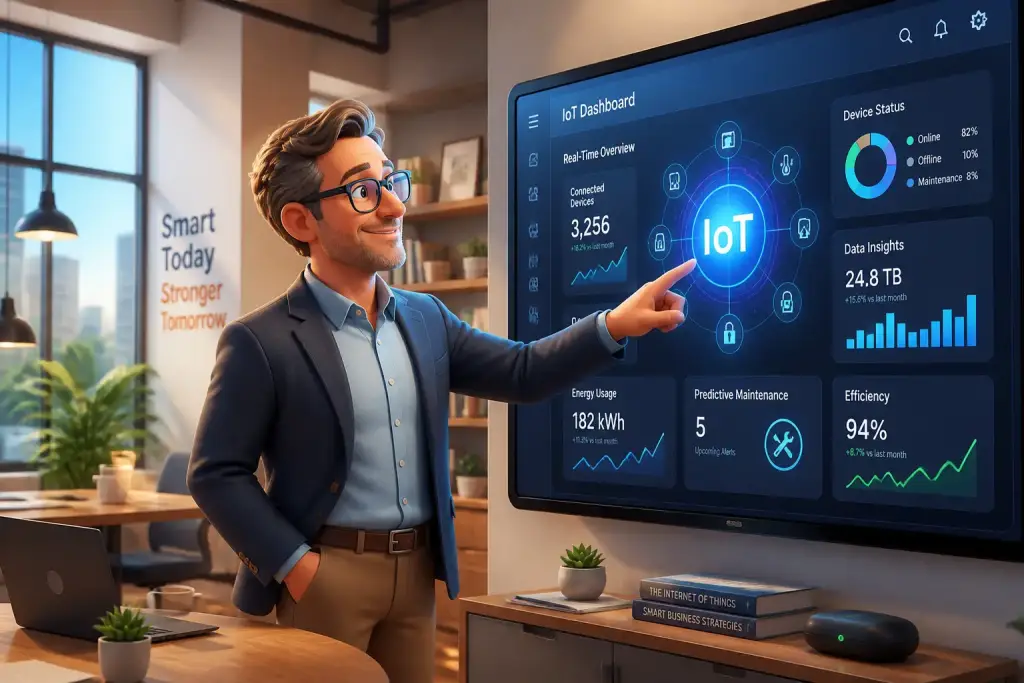
Industries such as manufacturing can leverage this speed for real-time monitoring of machinery and equipment. By utilizing sensors connected via 5G, companies can receive immediate alerts about equipment performance, allowing for timely maintenance and reducing the risk of costly downtimes.
Lower Latency and Its Implications
Latency refers to the delay before a transfer of data begins following an instruction. 5G significantly reduces this delay, which is beneficial for applications requiring instant responses. For instance, in the field of autonomous vehicles, low latency is crucial for safe operation. Vehicles must receive and process information in real-time to respond effectively to their environment.
Businesses involved in online gaming or virtual reality experiences rely heavily on low latency for optimal user experiences. Latency can make or break an online gaming session, affecting player engagement and satisfaction. Therefore, companies in these sectors stand to gain substantially from 5G technology.
Steps to Assess Latency Needs
- Identify critical applications where latency is a concern.
- Measure current latency levels using performance testing tools.
- Evaluate how much 5G can reduce latency for these applications.
- Plan for necessary upgrades to fully utilize 5G benefits.
Enhanced Connectivity and Collaboration
5G technology supports a higher number of connected devices, which is essential for businesses looking to adopt the Internet of Things (IoT). With 5G, companies can connect more devices without sacrificing performance. This capability allows for smarter operations and improved data collection across various sectors. For example, retailers can use connected sensors to monitor inventory levels in real-time. This data can enhance supply chain management and reduce waste.
Enhanced connectivity leads to better collaboration among teams. Employees can join virtual meetings, share documents, and work on projects simultaneously, regardless of their location. This capability is particularly beneficial for remote work environments where teams may be spread across different regions or countries.
Ways to Improve Team Collaboration with 5G
- Adopt cloud-based collaboration tools that leverage 5G speeds.
- Encourage regular video conferencing to maintain team cohesion.
- Implement project management software that integrates with 5G networks.
Cost Efficiency Through 5G
Investing in 5G technology may seem expensive upfront, but the long-term cost savings can be substantial. With faster data transfer and improved efficiency, businesses can reduce operational costs significantly. For instance, companies can streamline processes, thus saving time and labor costs.
Additionally, 5G can reduce expenses related to infrastructure. Traditional wired connections require significant investment in physical hardware. In contrast, 5G networks utilize wireless technology, which can lower installation and maintenance costs. This aspect is particularly beneficial for businesses located in remote areas where hardwiring may not be feasible.
Companies can analyze their data more effectively with the speed and efficiency of 5G. This capability allows for better decision-making, leading to more strategic investments and resource allocation. By utilizing 5G, businesses can ensure they spend wisely and maximize their returns.
Transforming Customer Experience
Customer experience is a key differentiator for businesses in today’s competitive landscape. 5G technology can enhance this experience by providing faster, more reliable services. For example, retailers can implement augmented reality (AR) applications that allow customers to visualize products in their homes before purchasing. This capability can lead to higher customer satisfaction and increased sales.
Businesses can use 5G to create personalized experiences. Companies can gather and analyze customer data in real-time, allowing them to tailor their offerings to individual preferences. This personalization can lead to improved customer loyalty and retention.
Examples of 5G in Customer Experience
- AR applications in retail for virtual try-ons.
- Real-time customer service chatbots that respond instantly.
- Interactive advertising that uses customer data for personalization.
Invest in training for your team to adapt to new 5G tools and applications for optimal results in your operations.
Challenges and Considerations for Businesses
While the benefits of 5G are clear, businesses must also consider the challenges associated with its implementation. Transitioning to 5G requires investment in new infrastructure and training for employees. Companies need to assess their current capabilities and determine how best to integrate 5G technology into their operations.
Data security is another critical concern. As businesses connect more devices and gather vast amounts of data, protecting this information becomes paramount. Companies must invest in robust cybersecurity measures to safeguard against potential threats. This aspect is particularly important for industries dealing with sensitive information, such as finance and healthcare.
Lastly, regulatory considerations may arise as governments establish guidelines for 5G implementation. Businesses must stay informed about these regulations to ensure compliance and avoid potential legal issues.
Preparing for a 5G Future
The future of business operations is undoubtedly linked to the advancement of 5G technology. Companies must take proactive steps to prepare for this shift. This preparation includes investing in training programs for employees to familiarize them with new tools and technologies that leverage 5G capabilities.
Businesses should assess their current technology stack and identify areas for improvement. Integrating 5G into existing systems can enhance efficiency and productivity. Companies can also explore partnerships with technology providers to access expertise and resources that facilitate a smoother transition.
Staying updated on the latest trends in 5G technology is crucial. Businesses should monitor industry developments and be ready to adapt their strategies accordingly. By remaining flexible and informed, organizations can harness the full potential of 5G and position themselves for success in the future.

Federica Ferrari
Founder & Lead EditorFederica Ferrari is the founder and lead editor of Business Braintech, based in Italy. She provides readers with practical guidance on emerging technologies for business transformation.