






The integration of the Internet of Things (IoT) into business strategies has changed how companies operate. Modern IoT solutions provide real-time data and insights, helping businesses improve efficiency and adapt to changing market conditions. Smart devices connect various aspects of operations, facilitating communication between machines, systems, and people. Today, businesses that leverage IoT can optimize processes, enhance customer experiences, and drive growth in ways previously thought impossible.
- IoT improves data collection and analysis for businesses.
- Smart devices enhance operational efficiency and reduce costs.
- Integration of IoT leads to better customer experiences.
Transforming Business Operations with IoT
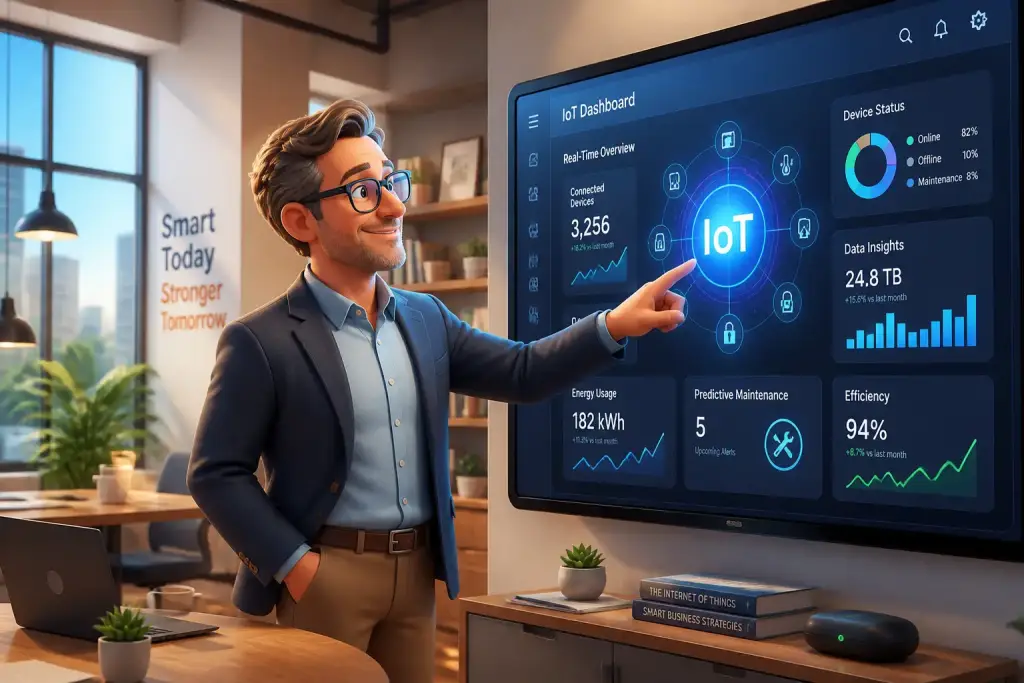
The role of IoT in transforming business operations cannot be overstated. Organizations now utilize smart sensors and devices to gather data and automate processes. This data-driven approach allows for more informed decision-making, enabling companies to respond quickly to market demands. For instance, manufacturers can use IoT devices to monitor equipment performance and predict when maintenance is necessary. This predictive maintenance minimizes downtime, reduces costs, and increases productivity.
Retail businesses also benefit from IoT by collecting customer behavior data through smart devices. This information helps retailers personalize marketing strategies and improve inventory management. By analyzing shopping patterns, businesses can determine popular products and optimize stock levels accordingly. As a result, companies reduce waste and enhance profitability.
Practical Applications in Manufacturing
In manufacturing, IoT technology is revolutionizing production processes. Smart factories equipped with connected devices enable manufacturers to track every aspect of production. This level of monitoring allows for immediate adjustments to be made, improving efficiency. For example:
- Real-time Monitoring: Devices continuously collect performance data, allowing managers to make informed decisions on the production floor.
- Supply Chain Optimization: IoT sensors track materials from suppliers to production, ensuring timely deliveries and reducing delays.
- Energy Management: Smart devices monitor energy usage, helping factories reduce costs and minimize their environmental impact.
Enhancing Customer Engagement through IoT
IoT plays a significant role in enhancing customer engagement. Businesses can create personalized experiences that resonate with individual customers. Smart devices allow companies to collect data on customer preferences, behaviors, and interactions. This wealth of information enables businesses to tailor their offerings and marketing strategies effectively.
For instance, in the hospitality industry, hotels utilize IoT solutions to enhance guest experiences. Smart room controls allow guests to adjust lighting, temperature, and entertainment systems through their smartphones. This level of personalization not only improves guest satisfaction but can also lead to increased loyalty and repeat visits. By leveraging IoT, businesses can maintain a competitive edge in their industries.
Case Study: Smart Retail Solutions
Many retailers are adopting IoT technology to improve customer interactions. Smart shelves equipped with weight sensors can monitor stock levels in real time, sending alerts when items need restocking. Additionally, stores can use beacons to send personalized promotions to customers’ smartphones as they shop. This approach increases foot traffic and boosts sales.
- Identify customer preferences through data collection.
- Implement smart technologies for inventory management.
- Engage customers with personalized promotions and experiences.
Streamlining Supply Chain Management
IoT significantly enhances supply chain management by providing visibility and control over logistics. Smart devices track shipments and monitor conditions during transit, ensuring the integrity of products. This level of oversight minimizes losses and improves inventory management.
Companies can utilize IoT to optimize routes for delivery trucks, reducing fuel costs and improving delivery times. For example, GPS-enabled devices provide real-time tracking information, allowing logistics managers to adjust routes based on traffic conditions. This dynamic approach leads to more efficient supply chain operations.
Implementing IoT in Supply Chains
To successfully implement IoT in supply chain management, businesses should consider the following steps:
- Assessment: Evaluate current supply chain processes to identify areas for improvement.
- Device Integration: Invest in smart devices that can monitor and track shipments effectively.
- Data Analysis: Use collected data to make informed decisions about supply chain operations.
Boosting Operational Efficiency
Inefficiencies in operations can lead to increased costs and lost revenue. IoT technology helps businesses streamline operations by automating repetitive tasks. Smart devices can perform functions such as data entry or inventory tracking without human intervention, freeing employees to focus on more critical tasks.
For example, in a warehouse setting, IoT-enabled robots can handle picking and packing operations. These robots work alongside human workers, increasing overall productivity. This collaboration between machines and humans not only enhances efficiency but also reduces the risk of errors caused by manual handling.
Steps to Improve Efficiency with IoT
Businesses looking to boost operational efficiency through IoT can follow these steps:
- Identify tasks that can be automated with IoT technology.
- Invest in the necessary devices and software to implement automation.
- Train employees to work alongside new technologies effectively.
Regularly update IoT devices and software to ensure security and optimal performance in your business operations.
Data Security and Privacy Challenges
While IoT offers numerous benefits, it also presents challenges, particularly concerning data security and privacy. As businesses collect and process vast amounts of data, they become targets for cyberattacks. Ensuring that sensitive information remains secure is essential for maintaining customer trust.
Companies must implement robust security measures to protect their IoT devices and networks. This includes using encryption, regular software updates, and strong authentication protocols. Additionally, businesses should educate employees about cybersecurity best practices to minimize risks.
Best Practices for IoT Security
To safeguard data in IoT systems, organizations should adopt the following best practices:
- Regular Updates: Ensure that all devices and software are updated regularly to protect against vulnerabilities.
- Access Controls: Implement strict access controls to limit who can access IoT devices and data.
- Monitoring: Continuously monitor IoT networks for unusual activity or potential breaches.
Future Trends in IoT for Business
The future of IoT in business holds exciting possibilities. As technology advances, we can expect even more innovative applications. Emerging trends include the increased use of artificial intelligence (AI) in conjunction with IoT to enhance data analysis and decision-making. Businesses can automate processes further and optimize operations by leveraging AI.
The growth of 5G technology will enable faster and more reliable connections for IoT devices. This improved connectivity will allow for the implementation of more sophisticated IoT solutions, such as real-time analytics and remote monitoring. As companies embrace these advancements, they can stay ahead of the competition and meet evolving customer needs.
Preparing for the Future
To prepare for the future of IoT, businesses should focus on the following actions:
- Stay informed about emerging technologies and trends in IoT.
- Invest in training and development for employees to adapt to new technologies.
- Continuously evaluate and improve IoT strategies to remain competitive.
Next Steps for Better Embracing IoT for Business Success
The role of IoT in smart business solutions is undeniable. By integrating IoT technologies, businesses can enhance operations, improve customer engagement, and streamline supply chains. As companies face increasing competition in the digital age, adopting IoT solutions will be crucial for success. Investing in these technologies now will set the stage for future growth and innovation.
By understanding the potential of IoT, businesses can harness its power to create efficiencies, foster customer relationships, and drive sustainable growth. Embracing IoT is not just a trend; it is a necessary step toward a smarter, more connected future.

Federica Ferrari
Founder & Lead EditorFederica Ferrari is the founder and lead editor of Business Braintech, based in Italy. She provides readers with practical guidance on emerging technologies for business transformation.