









Table of Contents
Establishing the Purpose of Your Feedback System
Creating a feedback system begins with understanding its purpose. Feedback should serve as a tool for improvement, fostering personal and team growth. It is essential to define clear objectives that align with your organization’s goals. For example, if a company aims to enhance customer service, the feedback system should focus on gathering insights from both customers and employees to identify areas needing improvement.
- A well-structured feedback system encourages open communication and trust among team members.
- Regular feedback sessions build a culture of continuous learning and adaptation, essential for modern teams.
- Utilizing technology can streamline the feedback process, making it more efficient and accessible for everyone involved.
Consider the types of feedback you want to collect. This could include performance evaluations, peer reviews, and customer feedback. Each type serves a different purpose and can lead to various improvements. For instance, peer reviews can help team members identify their strengths and weaknesses while customer feedback provides insights into product satisfaction and service quality.
Another crucial aspect is how feedback will be collected. Will it be through surveys, one-on-one meetings, or online platforms? Modern tools can help streamline this process. Utilizing platforms that collect data and analyze it can save time and provide valuable insights. For example, tools like SurveyMonkey or Google Forms can be effective in gathering structured feedback efficiently.
Involve all stakeholders in the planning phase. This ensures that everyone’s input is considered, which can lead to higher engagement levels when implementing the system. When team members feel their voices matter, they are more likely to participate actively in the feedback process.
Designing the Feedback Collection Process
Once you have established the purpose of your feedback system, the next step is designing a seamless collection process. Start by determining the frequency of feedback collection. Regular, scheduled feedback sessions can help maintain a steady flow of information. For instance, bi-weekly check-ins can provide timely insights that allow for quick adjustments and improvements.
Next, think about the format of your feedback collection. Consider using a mix of qualitative and quantitative methods. Quantitative feedback can be collected through surveys that use rating scales, while qualitative feedback can come from open-ended questions. This combination gives a well-rounded view of performance and areas for improvement.
Here are some steps to follow when designing your feedback collection process:
- Identify key metrics that align with your goals.
- Choose appropriate tools for gathering feedback.
- Set a schedule for regular feedback sessions.
- Train team members on how to give and receive feedback effectively.
To illustrate this point, think about a software development team. They may decide to collect feedback after each sprint. By using a survey that includes both numerical ratings and open-ended questions, they can capture both performance metrics and qualitative insights regarding team dynamics or challenges faced during the sprint.
Creating a Culture of Open Communication
Establishing a feedback system is not just about processes; it’s also about culture. A culture of open communication encourages team members to share their thoughts without fear of judgment. This openness can lead to a more engaged workforce and a willingness to learn from mistakes.
Promote the idea that feedback is a two-way street. Leaders should not only give feedback but should also be open to receiving it. By modeling this behavior, leaders can inspire their teams to follow suit. For example, a manager might ask for feedback on their leadership style during team meetings, demonstrating that everyone can benefit from constructive criticism.
Encourage peer-to-peer feedback as well. This can be done through structured programs where team members regularly share insights with one another. Consider setting aside time during team meetings for team members to provide positive feedback and constructive criticism. This practice not only builds trust but also strengthens relationships among team members.
Here are a few ways to foster an open communication culture:
- Encourage regular check-ins between team members and supervisors.
- Create informal settings for feedback, such as lunch-and-learn sessions.
- Recognize and reward those who provide constructive feedback.
In practice, a marketing team might implement a peer review system where team members evaluate each other’s campaigns on a monthly basis, providing insights and suggestions for improvement. This not only builds camaraderie but also sharpens skills across the team.
Always focus on specific behaviors rather than personal traits when giving feedback to ensure clarity and constructive outcomes.
Utilizing Technology for Feedback Management
Modern tools play a significant role in managing feedback efficiently. Technology can streamline the process, making it easier to collect, analyze, and act on feedback. Platforms like Slack or Microsoft Teams can facilitate quick feedback exchanges. These tools can help create dedicated channels for feedback discussions, making it easier for team members to share their thoughts in real time.
Data analysis software can help organizations track trends in feedback over time. Understanding patterns can lead to more informed decisions. For example, if feedback indicates consistent issues with a particular product feature, the product team can prioritize that area for improvement.
Integrate feedback tools with your existing systems for a smoother experience. For instance, if your organization uses a project management tool like Trello or Asana, consider adding feedback features within those platforms. This allows team members to provide feedback directly related to specific tasks or projects, keeping context clear and actionable.
Incorporate analytics into your feedback system to measure effectiveness. Track metrics such as response rates, feedback quality, and subsequent changes made based on feedback. This data can inform future strategies and highlight areas for further improvement.
Implementing Feedback and Measuring Impact
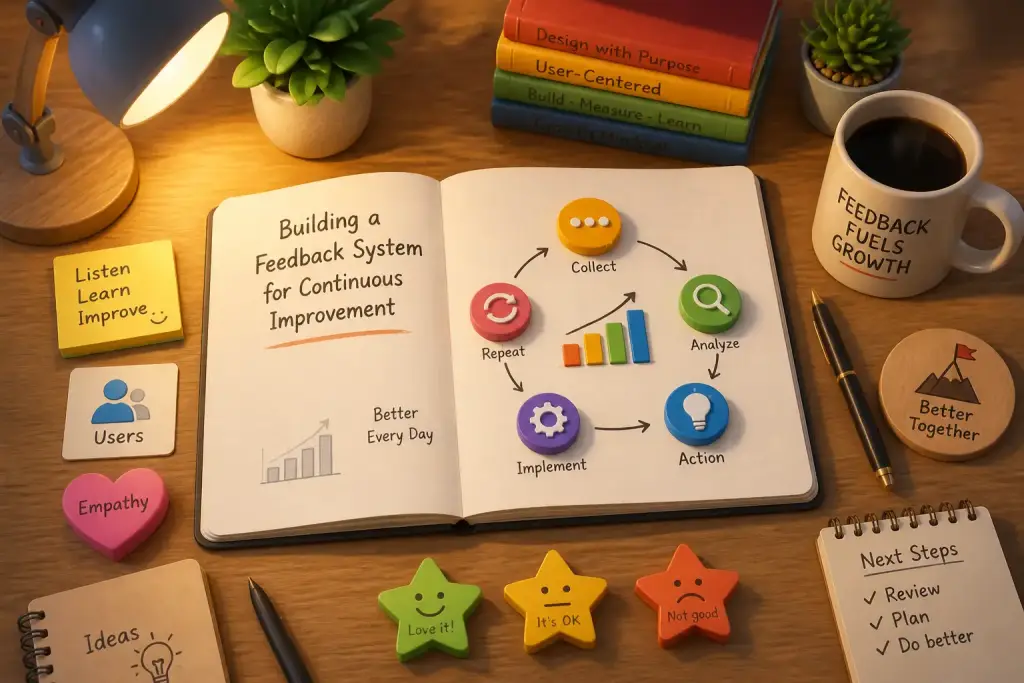
Collecting feedback is only the first step; implementing changes based on that feedback is where real improvement happens. After gathering insights, prioritize the feedback based on urgency and impact. Not all feedback will require immediate action. Focus on items that align closely with your organization’s goals and have the potential to drive significant improvements.
Develop an action plan based on the feedback received. Assign specific team members to address the areas identified for improvement, and set deadlines for implementation. This accountability ensures that feedback does not go unaddressed. Share progress updates with the team to maintain transparency and encourage continuous engagement.
To measure the impact of your feedback system, establish key performance indicators (KPIs). These can include employee satisfaction scores, productivity levels, and customer feedback ratings. Regularly review these metrics to assess whether the changes made have led to the desired improvements. For example, if customer satisfaction scores rise after implementing feedback-driven changes to service protocols, it indicates the effectiveness of the feedback system.
A feedback system should be a dynamic process. Regularly evaluate the effectiveness of your feedback practices and make adjustments as needed. Gathering insights from team members can provide additional perspectives on how to improve the system itself. This creates a continuous loop of improvement that benefits the entire organization.