





Table of Contents
Transform Learning with Gamification Tools
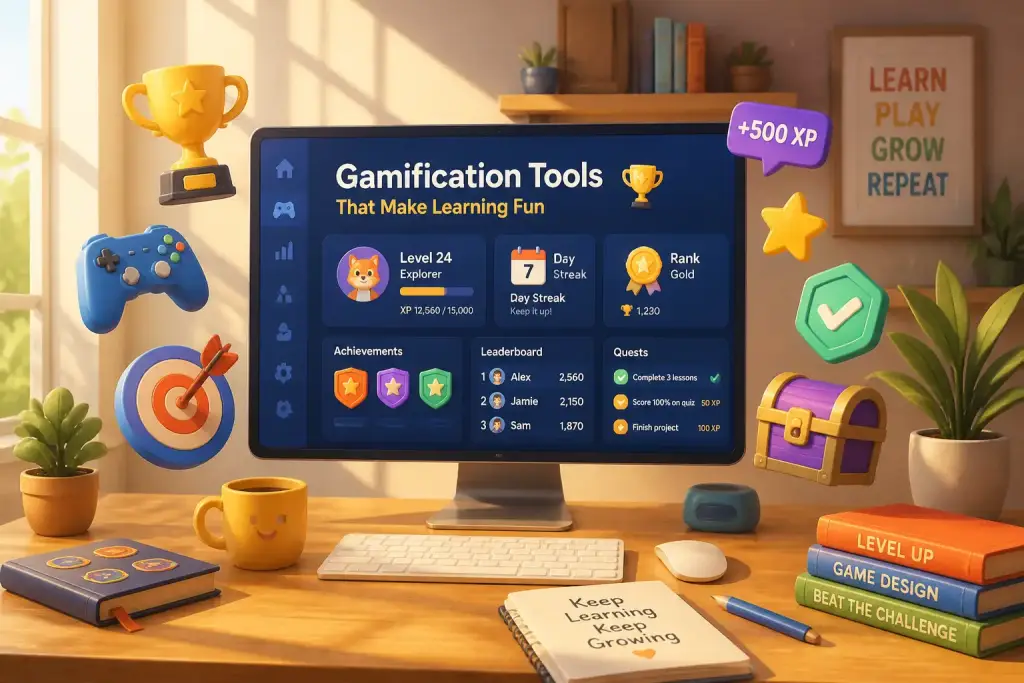
Gamification tools play a vital role in making learning enjoyable. By incorporating elements of game design into educational settings, these tools increase motivation among learners. They engage students through challenges, rewards, and interactive experiences. This approach not only makes the learning process fun but also enhances knowledge retention. Many educators today are adopting gamification to create a more dynamic classroom environment.
- Gamification boosts student motivation through fun and interactive learning experiences.
- Various tools are available to facilitate gamified learning in classrooms or online.
- Implementing game elements can lead to improved knowledge retention and engagement.
Using gamification tools means integrating game-like elements such as points, badges, or leaderboards into educational activities. These features encourage competition and foster a sense of achievement among learners. As a result, students are more likely to participate actively and remain engaged in their studies. The combination of education and entertainment can lead to remarkable improvements in learning outcomes.
In modern classrooms, gamification tools help bridge the gap between traditional methods and innovative teaching strategies. Teachers can leverage these tools to create an interactive and stimulating learning atmosphere. With various options available, educators can choose tools that best suit their teaching styles and the needs of their students.
Types of Gamification Tools
Different types of gamification tools serve various educational purposes. These tools can enhance learning experiences across subjects and age groups. Some popular types include learning management systems (LMS), mobile applications, and interactive platforms. Each type offers unique features that cater to specific educational needs and settings.
Learning management systems often include gamified elements like progress tracking and achievement badges. They allow educators to monitor student performance while providing engaging content. Mobile applications, on the other hand, offer a flexible learning experience. Students can learn at their own pace and access educational materials anytime, anywhere. Interactive platforms facilitate collaboration among learners, allowing them to work together on projects and compete in challenges.
The choice of gamification tools largely depends on the learning objectives and the target audience. Some tools might be more suitable for younger students, while others cater to adult learners. By understanding the strengths of each tool, educators can implement them effectively to achieve desired learning outcomes.
Popular Gamification Tools for Educators
Several gamification tools have gained popularity among educators for their effectiveness in enhancing learning. Tools like Kahoot!, Quizizz, and Classcraft stand out for their user-friendly interfaces and engaging features. Kahoot! allows teachers to create quizzes that students can answer in real-time using their devices. This interactive approach makes learning competitive and entertaining.
Quizizz offers similar functionalities but adds elements like memes and fun visuals to quizzes. This tool encourages students to work at their own pace while still fostering a competitive spirit. Classcraft takes a different approach by turning the classroom into a role-playing game. Students create characters and earn points for positive behaviors, which promotes teamwork and good conduct.
Incorporating these tools can lead to a more engaging learning environment. Educators should consider using a combination of different tools to meet the diverse needs of their students. With options available for various subjects and age groups, teachers can create a customized experience that enhances learning outcomes.
When focusing on benefits of gamification in learning, test incremental daily adjustments for 2 weeks before making permanent changes to evaluate real results.
Implementing Gamification in the Classroom
Implementing gamification in the classroom requires careful planning and consideration. Educators should start by identifying their learning objectives and understanding the needs of their students. Setting clear goals helps to align the gamified elements with the curriculum. This ensures that the tools used will effectively support student learning.
Next, teachers can choose the appropriate gamification tools based on their objectives. For instance, if the goal is to enhance collaboration, platforms like Classcraft might be ideal. Alternatively, if the focus is on knowledge retention, interactive quizzes like Kahoot! or Quizizz could be more suitable. Once the tools are selected, teachers should introduce them to their students gradually, allowing time for adaptation.
Ongoing assessment and feedback are essential throughout this process. Educators should monitor student progress and engagement levels. This helps to identify which aspects of the gamification strategy are working well and which might need adjustments. Regular feedback allows educators to refine their approach, ensuring a positive learning experience for all students.
Benefits of Gamification in Learning
The benefits of gamification in learning extend beyond making education fun. One significant advantage is increased student engagement. Gamified elements stimulate interest and excitement, motivating students to participate actively in their learning. This heightened engagement often results in improved academic performance as students become more invested in their studies.
Gamification also promotes collaboration among learners. Many gamified tools encourage teamwork, allowing students to work together to achieve common goals. This collaborative approach not only enhances learning but also fosters social skills and strong relationships among peers. Additionally, gamification can lead to a sense of accomplishment. Students earn rewards for their efforts, reinforcing positive behaviors and encouraging them to strive for excellence.
Finally, gamification can enhance knowledge retention. The interactive nature of gamified tools helps students remember information better. When learning is enjoyable, students are more likely to retain what they have learned. This leads to a more profound understanding of the subject matter and prepares them for future challenges.
Challenges of Using Gamification Tools
While gamification tools offer numerous benefits, educators may encounter challenges during implementation. One common issue is balancing fun with educational value. Teachers must ensure that the gamified elements do not overshadow the learning objectives. This balance is crucial for maintaining the integrity of the educational experience.
Another challenge is the potential for increased competition. In some cases, gamification can lead to unhealthy competition among students. Educators should be mindful of this and promote a supportive environment where collaboration is encouraged. Setting clear guidelines can help mitigate these issues and foster a positive atmosphere.
Lastly, educators may face technical difficulties when using gamification tools. Some tools require reliable access to technology, which may not always be available in every classroom. Teachers should be prepared to adapt their strategies if technical issues arise. By having backup plans, educators can ensure that learning continues smoothly.
Future Trends in Gamification for Education
The future of gamification in education looks promising. As technology continues to advance, new tools and methods will emerge to enhance learning experiences. One trend is the integration of virtual reality (VR) and augmented reality (AR) into gamified learning. These technologies can create immersive experiences that engage students on a deeper level.
Another trend is the personalization of gamified learning experiences. Adaptive learning technologies will allow educators to tailor gamification tools to meet individual student needs. This customization helps ensure that all students can benefit from the gamified approach, regardless of their learning styles.
Finally, the use of data analytics will play a significant role in shaping the future of gamification in education. By analyzing student performance data, educators can gain insights into which gamified elements are most effective. This data-driven approach will enable teachers to refine their strategies continually and improve learning outcomes for their students.