









Table of Contents
Create a Clear Learning Objective
Establishing a clear learning objective is vital to building a consistent learning routine. Identify what you want to learn and why it matters to you. This clarity helps you stay focused and motivated. For instance, if your goal is to learn a new language, define your purpose. Are you preparing for travel, enhancing your career prospects, or simply enjoying the process? Knowing the reason behind your learning will guide your efforts.
- Establish a specific time and place for learning each day.
- Break down complex topics into manageable parts for easier study.
- Use diverse learning tools to enhance engagement and retention.
Break down your main objective into smaller, manageable goals. For example, if you aim to read ten books this year, set a monthly target of one book. Track your progress to stay accountable. Create a vision board or a digital tracker to visualize your achievements. This method reinforces your commitment and keeps you engaged with your learning path.
Incorporate specific metrics to evaluate your progress. This could be through quizzes, self-assessments, or discussions with peers. Regular reflection on your goals and progress enhances your understanding and keeps your motivation high. As you achieve these small goals, you build confidence and reinforce the habit of learning.
Designate a Dedicated Learning Space
Your learning environment plays a significant role in your ability to focus and absorb information. Select a dedicated learning area that is free from distractions. This space should be comfortable and equipped with all the necessary tools for effective study, such as books, stationery, and digital devices. A well-organized area supports concentration and helps signal to your brain that it’s time to learn.
Consider factors like lighting, noise level, and furniture when setting up your space. Natural light can boost mood and productivity, while a comfortable chair can help you maintain focus during long study sessions. If possible, add elements that inspire you, such as motivational quotes or images related to your learning goals.
To a physical space, create a mental cue that signals it’s learning time. This could be a specific music playlist or a routine that you follow before starting your study. The more you associate your environment and routine with learning, the easier it becomes to enter a focused state.
Establish a Consistent Schedule
Building a consistent learning routine requires a structured schedule. Identify the best time of day for your studies. Some people are more alert and focused in the morning, while others may prefer evenings. Analyze your personal habits and choose time slots that work best for you. Consistency helps your brain adapt to learning at specific times.
To maintain this schedule, use a calendar or planner. Block out specific times for learning, just as you would for any important appointment. Consistency is key; try to stick to your schedule even on busy days. This discipline helps form learning habits that become second nature over time.
Consider the Pomodoro Technique as a way to structure your study sessions. This method involves studying for 25 minutes followed by a 5-minute break. After completing four sessions, take a longer break of 15-30 minutes. This approach keeps you fresh and focused, making studying more effective.
Set aside 15 minutes daily for reflection to assess what you’ve learned and how to improve your approach.
Embrace Diverse Learning Tools
Using various learning tools enhances engagement and retention. Today’s technology offers many options, from apps and online courses to podcasts and videos. Choose tools that suit your learning style. For instance, visual learners may benefit from video tutorials, while auditory learners might prefer listening to podcasts. Explore different formats to find what resonates with you.
Incorporate interactive tools to strengthen your understanding. For example, use flashcards for vocabulary retention or educational games to make learning fun. Websites and apps like Duolingo or Quizlet can provide interactive platforms for practice. Engage with others by joining study groups or online forums where you can discuss and share insights.
Consider how audio tools enhance learning. Listening to lectures or informative podcasts can reinforce what you learn from reading. For more on this topic, check out the role of audio tools in learning enhancement. Mixing different methods keeps your routine fresh and prevents boredom.
Reflect and Adjust Your Approach
Reflection is a crucial part of any learning routine. Set aside time each week to assess what you’ve learned and identify areas for improvement. Ask yourself questions like: What worked well? What challenges did I face? How can I adjust my methods for better results? This self-evaluation helps you stay aligned with your goals and motivates you to keep going.
Make adjustments based on your reflections. If you find certain times of day less productive, consider changing your schedule. If a tool is not helping, explore new resources that might be more effective. Adapting your approach based on real experiences can significantly enhance your learning outcomes.
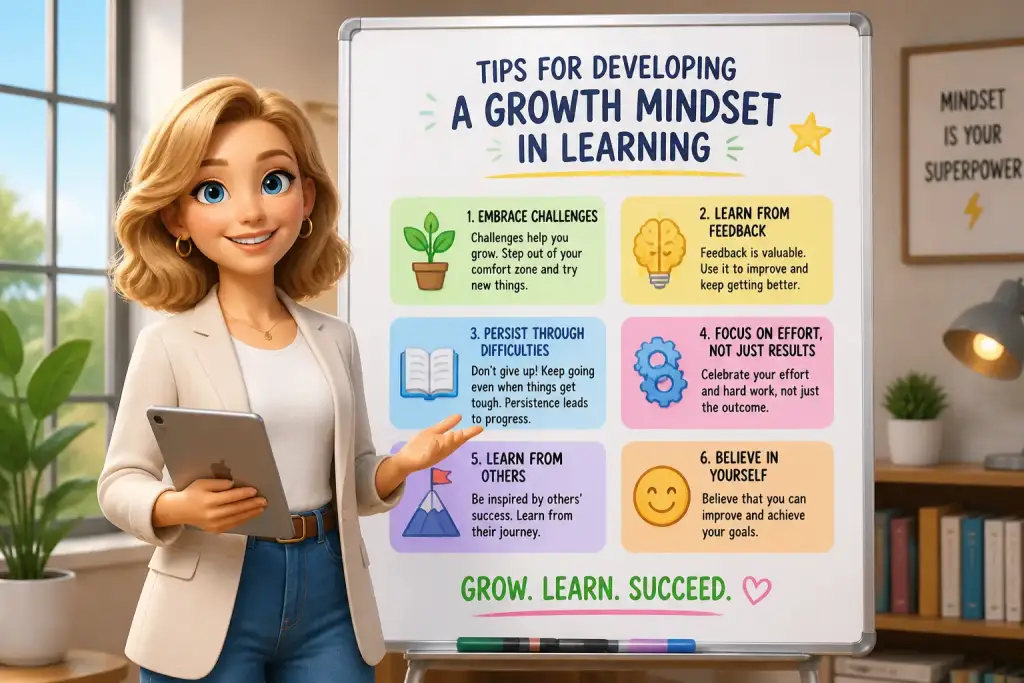
Regular reflection also boosts your confidence. Recognizing your progress, even if small, can motivate you to continue. Celebrate your achievements, whether completing a challenging chapter or mastering a skill. Positive reinforcement encourages a growth mindset that will support your journey in the long run.
Connect with a Learning Community
Engaging with a community can deepen your learning experience. Join groups or forums that focus on your interests. Surrounding yourself with like-minded individuals encourages discussion and knowledge sharing. This interaction provides different perspectives that can enrich your understanding of the subject matter.
Participate in workshops, webinars, or study groups. These settings offer opportunities for collaboration and networking. Learning with others motivates you to stay accountable and committed to your routine. Sharing insights and challenges can lead to breakthroughs in understanding.
Consider finding a mentor or study buddy. A mentor can provide guidance and support, while a study buddy can keep you accountable and motivated. Together, you can discuss topics, quiz each other, and share resources. Building a network of support enhances your learning journey.
Developing Your Learning Routine
Building a consistent learning routine takes time and effort, but the rewards are immense. By following the steps outlined, you can create an environment conducive to learning, set achievable goals, and engage with various tools and communities. The key is to remain flexible and willing to adjust your approach as necessary. Your learning routine should evolve alongside your needs and interests.
Remember that consistency is more important than perfection. Some days may be more productive than others, and that is okay. Focus on the long-term benefits, and celebrate small victories along the way. With dedication and a structured approach, you will foster a lifelong love for learning that enriches your life.
As you continue to develop your routine, incorporate feedback from your reflections and experiences. This ongoing process will ensure that your learning remains engaging and effective. With these strategies in place, you are well on your way to mastering the art of learning in a way that fits your life and goals.