









Table of Contents
Key Principles of the 80/20 Rule in Education
The 80/20 Rule, also known as the Pareto Principle, asserts that roughly 80% of effects come from 20% of causes. In education, this principle suggests that a small number of concepts or strategies can lead to the majority of learning outcomes. For example, in a typical classroom, focusing on key topics can result in significant improvements in student understanding and success. This can transform how educators plan lessons, assess progress, and engage students.
- Prioritize essential tasks to improve educational outcomes.
- Use feedback systems to enhance learning strategies.
- Implement spaced repetition for better memory retention.
Many educators find that certain subjects or skills account for a significant portion of student performance. When teachers identify these core areas, they can allocate their time and resources more effectively. By focusing on the 20% of material that contributes to 80% of student comprehension, educators can enhance their teaching methods and make learning more impactful.
Teachers can apply the 80/20 Rule in various ways. For instance, when creating lesson plans, they might focus on foundational concepts that students will encounter repeatedly throughout their education. This approach not only reinforces critical skills but also enables students to build upon their knowledge progressively, ensuring a deeper understanding of the subject matter.
Identifying Key Learning Areas
To implement the 80/20 Rule effectively, educators must first identify the key areas that significantly impact student learning. This process involves analyzing curriculum standards, student assessments, and classroom feedback. By determining which topics yield the greatest learning gains, teachers can prioritize their instruction accordingly.
One effective method for identifying essential learning areas is through data analysis. Educators can examine past assessments and standardized test scores to find patterns that reveal which topics students struggled with the most. In addition, surveys and feedback from students can provide valuable insights into what they find challenging or engaging.
For example, if data shows that students excel in reading comprehension but struggle with writing skills, educators can focus on enhancing writing instruction. This can include implementing targeted writing exercises, peer review sessions, and writing workshops that emphasize the specific skills needed for improvement.
Steps to Identify Key Areas
- Analyze student performance data to identify strengths and weaknesses.
- Solicit feedback from students regarding their learning experiences.
- Review curriculum standards to determine essential skills and knowledge.
- Prioritize areas that align with students’ needs and learning objectives.
By following these steps, educators can create a focused curriculum that meets the needs of their students while maximizing learning outcomes. This approach can lead to a more engaging and effective classroom environment, where students feel supported and motivated to learn.
Creating a Feedback System for Improvement
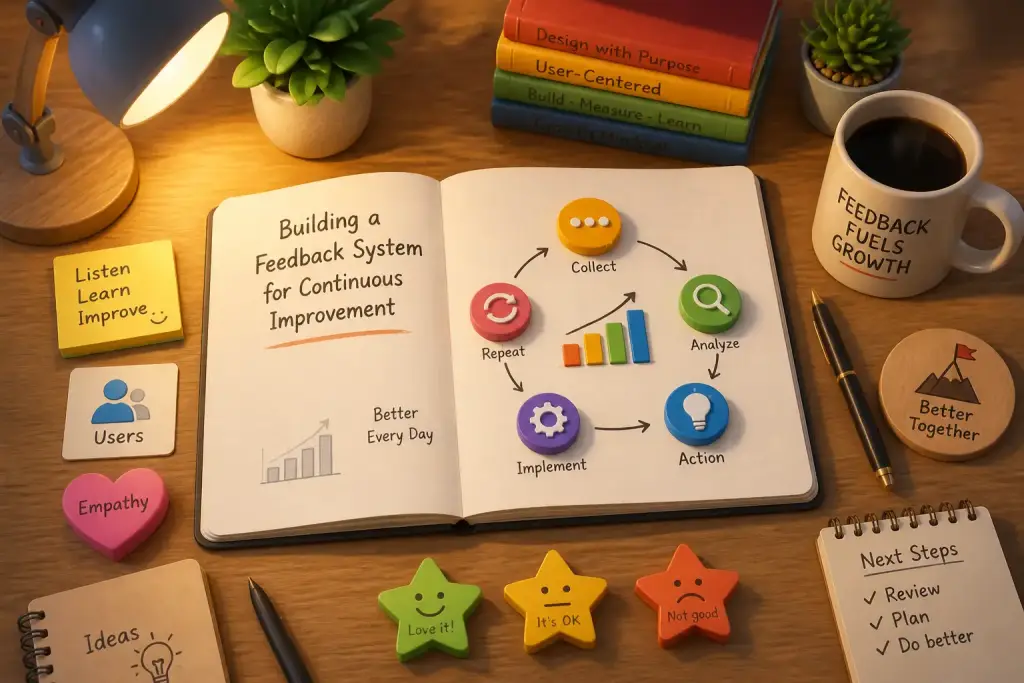
Implementing a feedback system is crucial for continuous improvement in education. Feedback helps educators understand what works and what needs adjustment. A well-designed feedback system allows students to share their experiences, providing teachers with insights into their teaching effectiveness and student engagement.
Teachers can implement feedback mechanisms through various methods, such as surveys, one-on-one conferences, or classroom discussions. These methods encourage open communication and create a safe space for students to express their thoughts. By actively seeking feedback, educators can identify areas of strength and opportunities for growth.
For instance, after a unit on mathematics, a teacher might distribute a simple survey asking students about their understanding of the concepts taught. Questions could include what they found most challenging or which teaching methods helped them the most. Analyzing this feedback can guide the teacher in adjusting future lesson plans or instructional strategies.
Incorporating feedback into teaching practices not only enhances student engagement but also fosters a growth mindset among learners. When students see that their input leads to changes in the classroom, they feel more invested in their education. This can motivate them to take ownership of their learning, leading to better academic outcomes.
For more insights on creating effective feedback systems, consider exploring feedback systems for continuous improvement.
Implementing Spaced Repetition Techniques
Spaced repetition is a powerful learning technique that leverages the 80/20 Rule by focusing on the most critical information while ensuring it is retained over time. This method involves reviewing material at increasing intervals, which helps solidify knowledge and improve memory retention. Educators can utilize spaced repetition to enhance the learning experience and ensure that students grasp essential concepts.
To implement spaced repetition effectively, teachers can create a structured review schedule that incorporates regular assessments of previously learned material. Instead of cramming all information at once, educators can introduce topics gradually and revisit them frequently. This approach helps reinforce learning and encourages students to connect new information with what they have already mastered.
For example, a science teacher might introduce a new topic each week and include review sessions for previously covered material. This could involve quizzes, group discussions, or hands-on activities that emphasize key concepts. By revisiting these topics regularly, students are more likely to retain the information long-term.
For further understanding of this technique, explore our article on using spaced repetition for better memory.
Steps to Implement Spaced Repetition
- Identify key concepts that require reinforcement.
- Create a review schedule that gradually increases intervals between sessions.
- Incorporate varied activities to engage students during review sessions.
- Monitor student progress and adjust the schedule as needed.
By following these steps, educators can effectively implement spaced repetition in their classrooms, leading to improved retention and understanding of core concepts.
Enhancing Student Engagement through Focused Learning
Engagement is a critical factor in successful learning experiences. When students are engaged, they are more likely to participate actively and retain information. Focusing on the 80/20 Rule can enhance student engagement by emphasizing active learning strategies that target the most impactful concepts. By creating a dynamic and interactive classroom environment, teachers can inspire students to take a more active role in their education.
One effective way to boost engagement is through project-based learning. This approach allows students to explore real-world problems and apply their knowledge in meaningful ways. By focusing on key concepts within these projects, educators can ensure that students are not only engaged but also learning valuable skills.
For instance, a history teacher might assign a project that requires students to research a significant historical event. Instead of simply memorizing facts, students could create presentations or multimedia projects that encourage collaboration and creativity. This hands-on approach reinforces understanding while making learning enjoyable.
Another strategy to enhance engagement is through gamification. Incorporating game elements into lessons can motivate students to participate actively. Teachers can create quizzes, competitions, or group challenges that focus on essential concepts, making learning fun and interactive.
Techniques to Boost Engagement
- Implement project-based learning with real-world applications.
- Incorporate gamification elements to make learning fun.
- Encourage collaborative learning through group activities.
- Utilize technology to create interactive learning experiences.
By employing these techniques, educators can foster a more engaging learning environment, ultimately leading to higher levels of student achievement and satisfaction.
When focusing on enhancing student engagement through focused learning, test incremental daily adjustments for 2 weeks before making permanent changes to evaluate real results.
Developing a Growth Mindset in Students
Encouraging a growth mindset in students is vital for their long-term success. A growth mindset fosters resilience, adaptability, and a willingness to learn from mistakes. By focusing on the 80/20 Rule, educators can help students develop this mindset by emphasizing the importance of effort and persistence in mastering key concepts.
Teachers can cultivate a growth mindset by providing constructive feedback that focuses on improvement rather than just grades. For example, instead of simply marking an assignment as “incorrect,” teachers can offer specific suggestions for how to enhance the work. This approach encourages students to view challenges as opportunities for growth rather than obstacles to overcome.
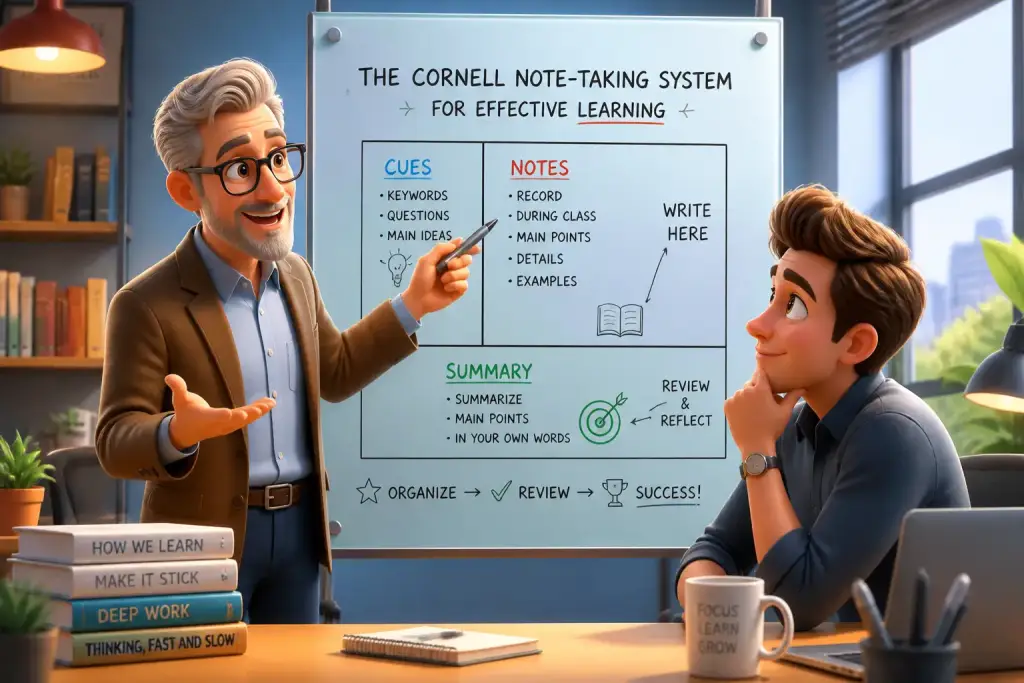
Incorporating activities that promote self-reflection can help students understand their learning processes. Journals, discussions, or goal-setting exercises can guide students in recognizing their strengths and areas for improvement. This self-awareness is crucial for developing a growth mindset.
To support the development of a growth mindset, consider exploring tips for developing a growth mindset in learning.
Strategies for Fostering a Growth Mindset
- Encourage constructive feedback that focuses on improvement.
- Incorporate self-reflection activities to enhance self-awareness.
- Model a growth mindset by sharing personal learning experiences.
- Celebrate effort and progress, not just final results.
By implementing these strategies, educators can create a classroom culture that promotes a growth mindset, helping students thrive academically and personally.
Measuring Success with the 80/20 Rule
To understand the effectiveness of implementing the 80/20 Rule in education, it is essential to measure success accurately. This involves evaluating student performance, engagement levels, and overall learning outcomes. By collecting and analyzing data, educators can determine the impact of focused teaching strategies and make necessary adjustments.
One way to measure success is through formative assessments. These assessments provide ongoing feedback about student learning and allow teachers to identify areas that may need additional focus. By regularly assessing students’ understanding of key concepts, educators can ensure that they are on track to achieve academic goals.
Another method for measuring success is through student surveys and feedback forms. Gathering input from students about their learning experiences can provide valuable insights into the effectiveness of teaching methods. This information can guide educators in refining their instructional strategies and enhancing student engagement.
By consistently measuring success, educators can ensure that they are effectively implementing the 80/20 Rule in their classrooms, leading to improved learning outcomes for all students.
Steps for Measuring Success
- Establish clear learning objectives to guide assessments.
- Utilize formative assessments to track student progress.
- Gather student feedback to evaluate teaching effectiveness.
- Adjust instructional strategies based on collected data.
By following these steps, educators can effectively measure the success of their teaching strategies, ensuring that they continue to focus on what matters most for their students’ learning journeys.