







Table of Contents
Setting the Foundation for a Review System
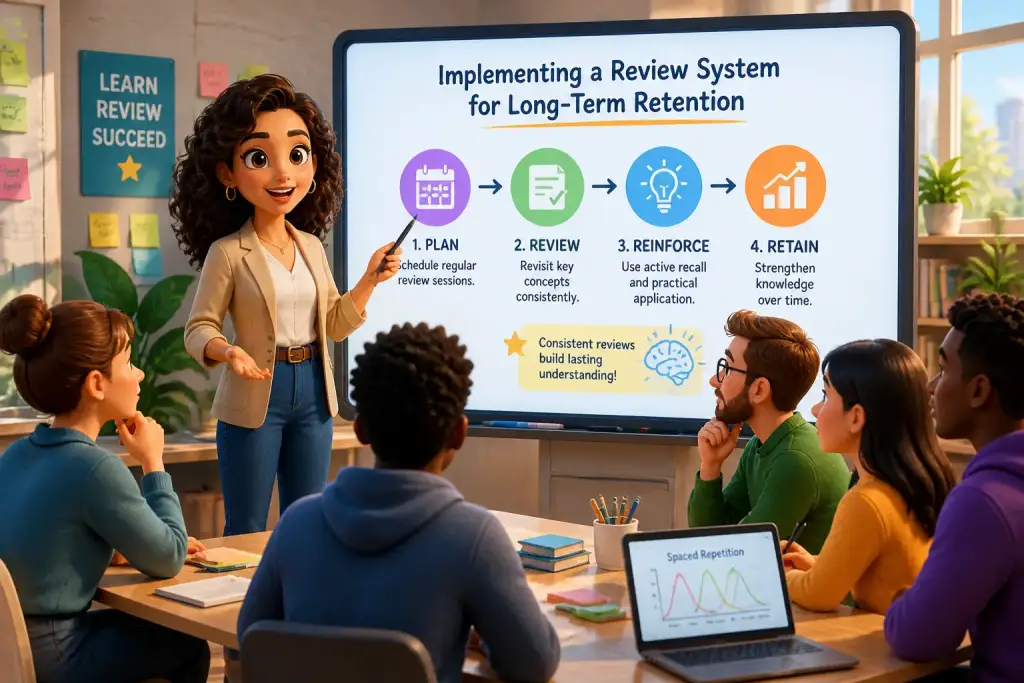
Implementing a review system starts with understanding its purpose and structure. A review system is not merely a check-up on knowledge but a vital part of the learning process. It encourages retention by allowing learners to revisit and reinforce what they have learned. A well-structured system can lead to higher engagement and better results in knowledge retention. It creates a cycle where learners can reflect on their understanding and improve over time.
- A well-structured review system improves knowledge retention over time.
- Feedback loops enhance engagement and motivate continuous learning.
- Implementing diverse review methods caters to different learning styles.
Before designing a review system, assess the specific needs of your audience. Different groups may require different approaches. For example, students in an academic setting might benefit from quizzes and discussions, while professionals may prefer case studies or project reviews. Consider these factors:
- The age and knowledge level of the audience
- The learning environment and available tools
- The objectives of the learning material
Each of these factors will influence how the review system is shaped. For instance, younger learners often respond well to gamification strategies, as outlined in our article on gamification tools. On the other hand, adult learners may prefer more straightforward assessments that relate directly to their job roles.
Incorporating Feedback Loops
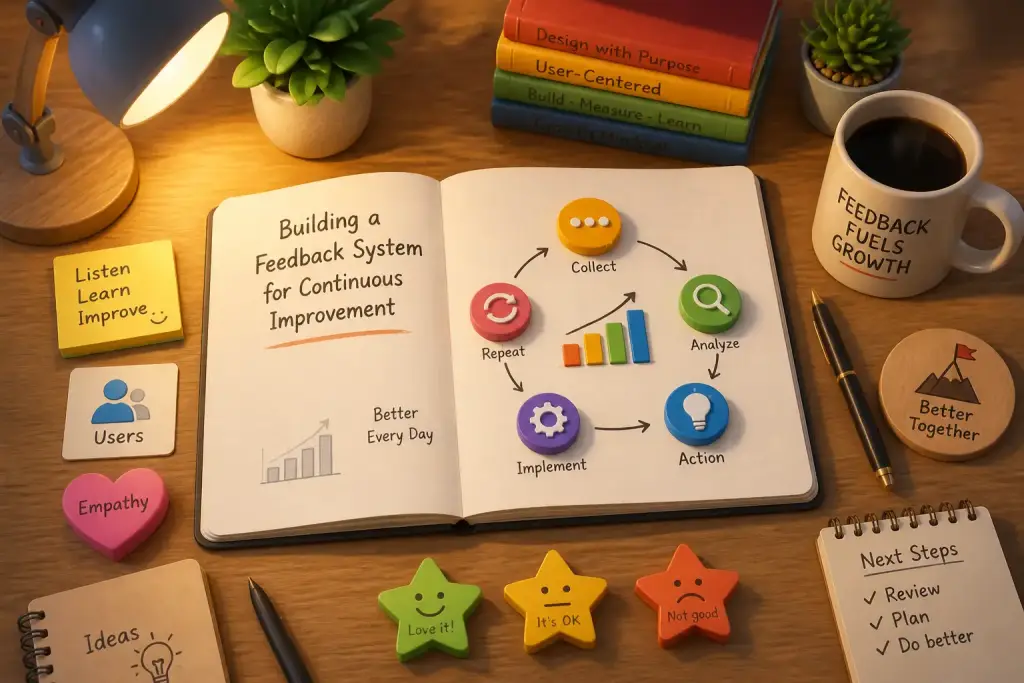
A key element of a successful review system is building feedback loops. Feedback is essential for learners to understand their progress and areas for improvement. Regular, constructive feedback helps learners identify strengths and weaknesses in their knowledge. This process encourages a growth mindset, which is crucial for long-term retention.
Establishing feedback loops can be achieved in several ways. Formal feedback methods, like exams and surveys, can provide structured insights. Informal feedback through discussions or peer reviews also encourages interaction. Here are steps to create effective feedback loops:
- Set clear learning objectives to guide feedback.
- Use multiple feedback methods to cater to different preferences.
- Encourage self-assessment to foster accountability.
- Incorporate peer feedback to build collaboration.
For example, in a corporate training session, after a presentation, participants can provide feedback on each other’s performance. This technique not only reinforces learning but also cultivates a collaborative culture.
Designing Varied Review Methods
Creating varied review methods is essential for keeping learners engaged. Different people learn in different ways, so incorporating multiple methods can cater to various learning styles. Some effective review methods include:
- Quizzes and tests for knowledge recall
- Group discussions to enhance understanding
- Practical applications through case studies
- Interactive workshops to foster participation
For instance, using quizzes after a training session can help reinforce the material. Moreover, group discussions encourage sharing ideas and perspectives, which can deepen understanding. Workshops that require participants to apply what they have learned in real-life scenarios can help solidify their knowledge.
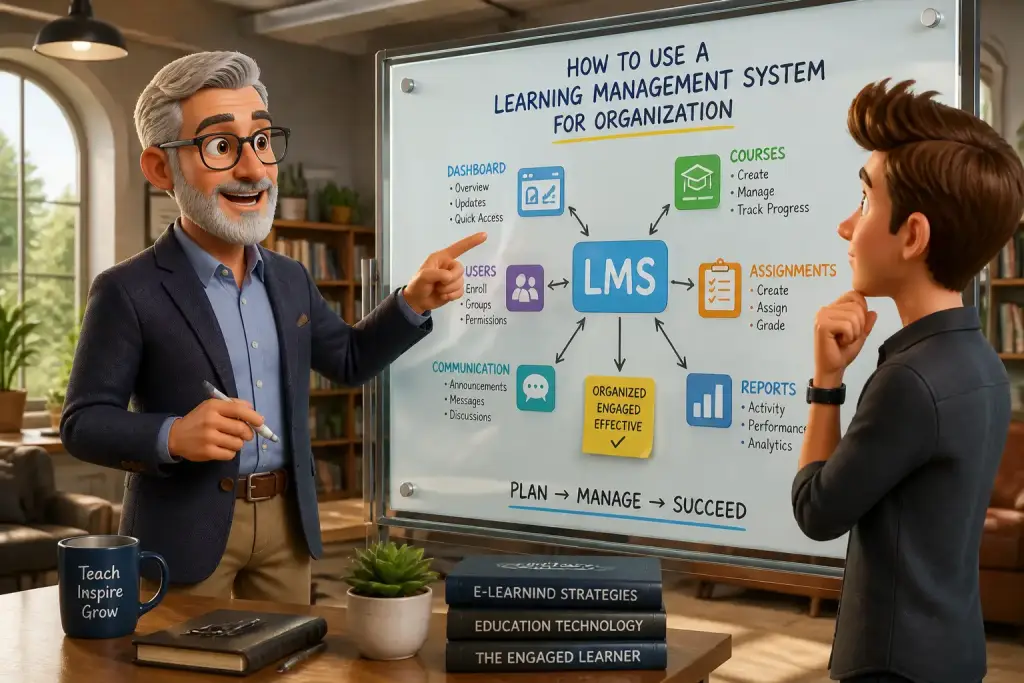
Consider also the role of technology in modern review methods. Learning Management Systems (LMS) can facilitate these varied methods. They allow for quizzes, track progress, and provide a platform for discussions. For more details on using an LMS effectively, check our article on organizing with an LMS.
Incorporate visual aids and interactive elements to make review sessions more engaging and memorable for participants.
Encouraging Continuous Learning
Encouraging continuous learning is vital for retention. A review system should not only focus on past material but also motivate learners to seek new knowledge. This can be achieved by integrating ongoing assessments and learning opportunities. Here are ways to promote continuous learning:
- Offer resources for further study, such as articles and videos.
- Create a community for learners to share insights and resources.
- Develop a mentorship program to guide new learners.
For example, providing learners with additional reading materials can spark their interest in related topics. Creating a community forum allows learners to discuss challenges and share tips, fostering a collaborative learning environment. Mentorship programs can connect experienced learners with newcomers, providing guidance and support.
These strategies do not just reinforce knowledge but create a culture of lifelong learning. This mindset is essential in today’s fast-changing world, where new information and skills are constantly emerging.
Leveraging Technology for Reviews
The role of technology in implementing a review system cannot be overstated. Modern tools enhance the learning experience by making it more interactive and accessible. Utilizing technology can streamline the review process, making it easier for both learners and educators. Here are some ways to leverage technology:
- Use digital platforms for quizzes and assessments.
- Incorporate video conferencing for remote discussions.
- Utilize apps for interactive learning and feedback.
Digital platforms can host quizzes that provide instant feedback, allowing learners to understand their performance immediately. Video conferencing tools can facilitate discussions in real-time, making learning more engaging. Apps that support interactive learning can offer gamified experiences, keeping learners motivated and interested.
For instance, a corporate training program might use a combination of online quizzes and interactive webinars. This blended approach caters to different learning preferences and keeps the material fresh and engaging.
Measuring the Success of the Review System
Measuring the success of your review system is critical for understanding its impact. Metrics can provide insights into how well the review system is working and where improvements are needed. Here are some effective ways to measure success:
- Track assessment scores over time.
- Gather feedback from participants about their experiences.
- Monitor engagement levels in discussions and activities.
For example, if assessment scores improve after implementing a new review method, it may indicate that the method is effective. Gathering participant feedback can provide qualitative insights into what works and what doesn’t. Monitoring engagement levels can help identify which activities resonate most with learners.
Regularly reviewing these metrics allows for adjustments to the review system as needed. This ongoing evaluation ensures that the system remains effective and relevant to the needs of the learners.
Creating an Engaging Review Culture
Lastly, fostering an engaging review culture is essential for long-term retention. A positive environment encourages learners to participate actively in the review process. Here are strategies to cultivate such a culture:
- Recognize and celebrate achievements.
- Encourage open communication and feedback.
- Make the review process enjoyable and interactive.
Recognizing achievements can boost motivation and reinforce the value of learning. Celebrating milestones, such as completing a training module, can create a sense of accomplishment. Open communication encourages learners to express their thoughts, making them feel valued and involved in the process.
Making the review process enjoyable can significantly impact engagement. Incorporating games, group activities, and discussions can create a more dynamic learning environment. This approach helps learners associate reviews with positive experiences, reinforcing their commitment to continuous learning.
By implementing these strategies, organizations can create a robust review system that enhances retention and fosters a culture of learning. A well-designed review system is not just a tool for assessment; it is a pathway to ongoing growth and improvement.