








Table of Contents
Harnessing Active Recall for Effective Learning
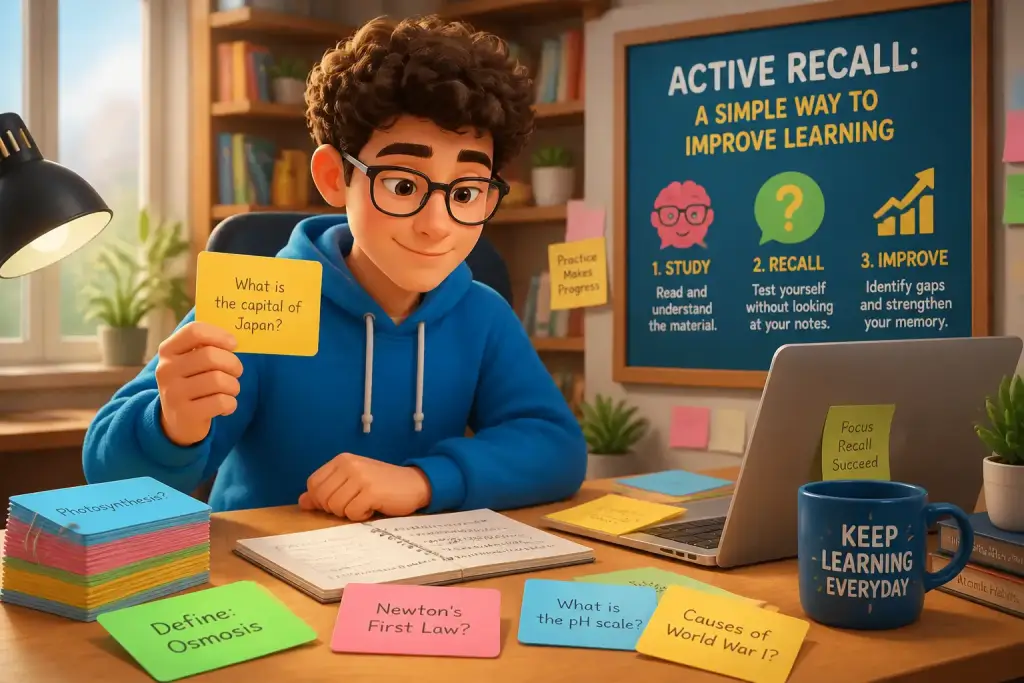
Active recall is a powerful learning technique that encourages students to retrieve information from memory, rather than passively reviewing notes or texts. This method enhances memory retention and understanding. Instead of reading a textbook, imagine being tested on what you just learned. This mental exercise forces you to engage with the material actively. Many students find that incorporating active recall into their study routine yields impressive results.
- Active recall enhances memory retention and understanding.
- Utilize flashcards and quizzes to reinforce learning.
- Regular practice with active recall leads to better exam performance.
For example, when preparing for an exam, instead of simply highlighting important passages in your textbook, ask yourself questions about the material. What is the main idea? Can I explain this concept to someone else? This approach not only boosts your confidence but also improves your ability to recall information during tests.
Modern tools like flashcards or quiz apps can facilitate active recall. These tools allow learners to test themselves on key concepts regularly. The more frequently you practice retrieving information, the stronger your memory becomes. Over time, this method can transform your study habits and lead to higher grades.
Implementing Active Recall Techniques
To effectively implement active recall, consider these steps to integrate the technique into your learning routine. First, create flashcards with questions on one side and answers on the other. This method allows you to quiz yourself anytime, whether you are at home or on the go. The simplicity of flashcards makes them a popular choice among students.
Another effective technique involves self-quizzing. After studying a chapter, close your book and write down everything you remember. This practice not only reinforces what you’ve learned but also highlights areas that need more attention. By identifying gaps in your knowledge, you can focus your study efforts more efficiently.
Steps to Create Effective Flashcards
- Write a question on one side that prompts recall.
- Provide a concise answer on the reverse side.
- Use images or diagrams if they help explain a concept better.
- Review the flashcards regularly, increasing intervals as you master the material.
These steps ensure that your flashcards are not only functional but also effective learning tools. To enhance your learning further, combine active recall with methods like mind mapping. This can help visualize connections between concepts and improve overall understanding, as discussed in our article on the power of mind mapping.
Integrating Technology into Active Recall
Technology offers numerous resources to support active recall. Many applications are designed specifically for this purpose. Tools like Anki and Quizlet allow users to create digital flashcards and quizzes. These platforms often use spaced repetition algorithms to optimize review schedules, ensuring you study the right material at the right time.
Gamification elements in these apps can make studying more enjoyable. Features like points, levels, and rewards motivate students to engage with their learning. Integrating these tools into your study sessions can enhance the effectiveness of active recall. For instance, you might set a goal to complete a certain number of quizzes each week while tracking your progress.
Popular Apps for Active Recall
- Anki: A flashcard app that uses spaced repetition to help you remember information better.
- Quizlet: Offers flashcards, quizzes, and games for interactive learning.
- Brainscape: Focuses on smart flashcards and personalized learning experiences.
Incorporating these technologies helps make the learning process more engaging. By utilizing active recall alongside digital tools, you can create a more dynamic studying experience. This approach not only improves retention but also makes the process more enjoyable.
Active Recall in Different Learning Environments
Active recall can be applied in various learning environments, from traditional classrooms to online courses. In a classroom setting, teachers can encourage students to use this method by integrating quizzes into lessons. For example, after a lecture, the teacher could conduct a quick quiz to assess understanding. This practice reinforces the material and promotes active participation.
In online learning, students can benefit from discussion forums. Engaging with peers by asking questions or summarizing concepts encourages active recall. When you explain something to someone else, you reinforce your understanding and memory of the topic. This method is particularly effective in collaborative learning settings.
Strategies for Online Learners
- Join or form study groups to discuss and quiz each other on key concepts.
- Utilize online flashcard apps for self-testing.
- Engage in forums by asking questions and sharing knowledge.
These strategies help online learners remain engaged and accountable. No matter the learning environment, active recall is adaptable and effective. By applying these techniques, students can enhance their learning experience significantly.
Set specific intervals for practice sessions, using techniques like the Pomodoro method to maintain focus and enhance retention.
Measuring Success with Active Recall
To assess the effectiveness of active recall, reflect on your learning outcomes. Have your grades improved? Do you feel more confident in your knowledge? Regularly evaluating your progress can help you determine if active recall works for you. Additionally, consider tracking your study habits over time. Keeping a study log can provide insights into what methods yield the best results.
Another effective way to measure success is through practice exams. Take timed quizzes that simulate real test conditions. This not only prepares you for the actual exam but also allows you to see how well you can recall information under pressure. Be sure to review any mistakes you make during these practice sessions to reinforce learning.
Self-Assessment Techniques
- Compare your quiz scores over time to see improvement.
- Reflect on areas where you struggle and adjust your study methods.
- Seek feedback from teachers or peers about your understanding.
By actively measuring your success, you can fine-tune your study habits and make necessary adjustments. Active recall is not just about memorization; it’s about understanding and applying what you’ve learned. This depth of learning leads to long-term retention and greater academic success.