






Table of Contents
Establish a Reading Schedule for Improvement
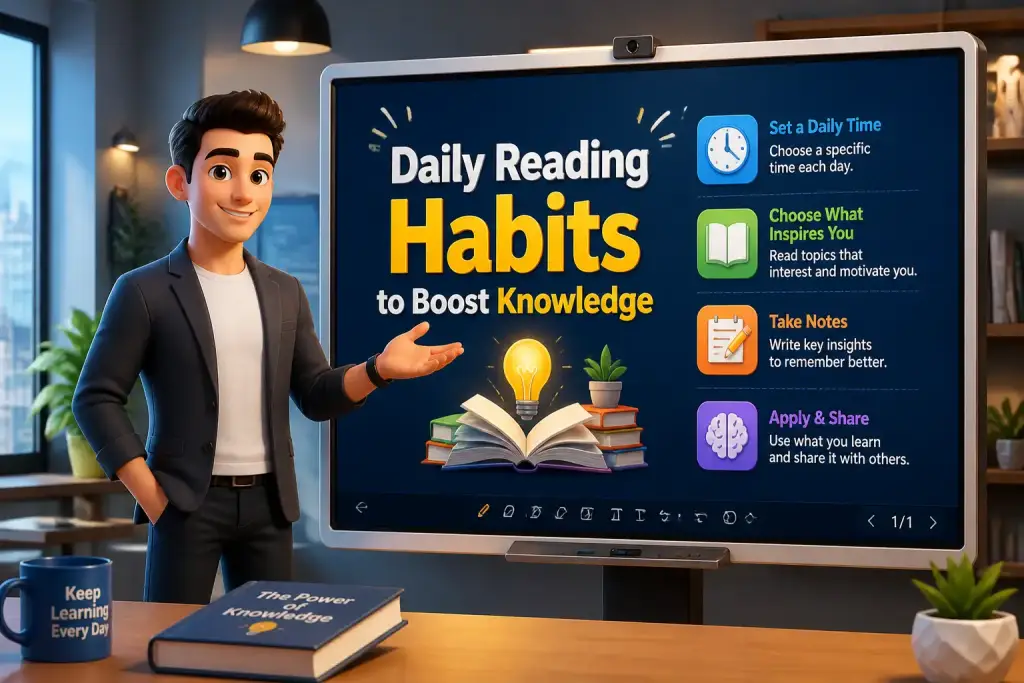
Creating a reading schedule can significantly enhance your knowledge acquisition. By allocating specific times during the day solely for reading, you build a habit that becomes part of your routine. For instance, you might choose to read every morning after breakfast or in the evening before bed. This consistency helps train your brain to expect learning during these times, making it easier to absorb information.
- Establish a reading routine to enhance comprehension and retention.
- Diversify reading materials to broaden knowledge and perspectives.
- Utilize note-taking techniques to reinforce learning and memory.
Begin by setting aside at least 20 minutes each day. This might seem small, but it can lead to substantial knowledge gains over time. You can gradually increase this duration as you become more comfortable with your reading routine. It is essential to choose a time when you feel most alert and focused. Early mornings or quiet evenings are often ideal for many people.
To further enhance this habit, consider using a reading planner. A planner can help you track your reading habits, set goals, and reflect on what you learn. Using a digital tool or a simple notebook can work wonders for maintaining motivation. You can write down the titles of the books you want to read or note the pages you plan to tackle each day. This organized approach not only makes reading a priority but also adds a layer of accountability that encourages you to stick with it.
Incorporating a diverse range of materials into your reading schedule can also boost your knowledge. Consider mixing fiction with nonfiction, articles, and even academic papers. This variety keeps your reading experience fresh and engaging.
Choose Diverse Reading Materials
Diversity in reading material is essential for a well-rounded knowledge base. Engaging with different genres, authors, and subjects exposes you to various ideas and perspectives. This approach not only makes reading more enjoyable but also enriches your understanding of complex topics. For example, reading historical fiction alongside actual history books can provide context and depth to the events you’re studying.
Consider the following types of materials for your reading list:
- Fiction: Offers insights into human emotions and experiences. It enhances empathy and encourages creative thinking.
- Nonfiction: Provides factual information and insights into real-world issues. This genre can help you stay informed about current trends and developments.
- Articles: Read articles from reputable sources online. They can be short and focused, ideal for quick learning on specific topics.
- Academic Papers: While more challenging, they offer in-depth analysis and are excellent for gaining expert knowledge.
Mixing these materials can lead to a more comprehensive understanding of subjects. For instance, if you are interested in technology, read a novel that features futuristic concepts, followed by an article on the latest innovations in that field. This combination creates a richer learning experience.
Subscribing to different magazines or online journals can keep your reading diverse and relevant. Many of these publications cover various topics, ensuring you remain informed and engaged.
Utilize Note-Taking Strategies
Effective note-taking is a powerful tool to enhance knowledge retention while reading. The process of jotting down key points helps reinforce what you’ve learned and makes it easier to review later. There are various strategies to consider when taking notes. You can pick one that suits your learning style best.
The Cornell Method
This method involves dividing your note page into three sections: cues, notes, and summary. Write main ideas in the notes section during your reading. Afterward, summarize the information in the summary section. The cues section can be used for questions or keywords that trigger your memory. This method is particularly effective for studying and reviewing your notes later.
Mind Mapping
Mind mapping is another creative approach. Start with a central idea in the middle of your page. Branch out with related concepts, using lines to connect them visually. This method helps you see connections between ideas, making it easier to recall information later. It is especially useful for visual learners.
Regardless of the method you choose, ensure that your notes are clear and organized. Use bullet points or lists to break down complex information into manageable parts. This clarity will aid your understanding and make it easier to review what you’ve learned.
Incorporate Active Recall Techniques
Active recall is a learning technique that significantly boosts retention and understanding. Instead of passively reading through material, this method encourages you to actively engage with the content. The goal is to retrieve information from memory, which strengthens your knowledge over time.
To implement active recall, try the following steps:
- Question Yourself: After reading a section, close the book and try to summarize what you learned without looking. This forces you to recall information actively.
- Create Flashcards: Write questions on one side of a card and answers on the other. Review these regularly to test your memory.
- Discuss with Others: Share what you’ve read with friends or family. Teaching others is a powerful way to reinforce your understanding.
Active recall not only improves retention but also helps you identify areas where you may need further study. Regularly revisiting topics using this method can lead to deeper understanding and greater knowledge acquisition.
Many online tools and apps can assist with active recall. Look for apps that allow you to create flashcards or quizzes based on your reading material. These digital tools can make the process more engaging and interactive.
Set Achievable Reading Goals
Setting achievable reading goals keeps you motivated and focused on your learning journey. Goals provide direction and help track your progress. Start by defining what you want to achieve with your reading. Are you looking to improve your professional knowledge, explore new topics, or simply enjoy reading more?
Consider these tips when setting your goals:
- Be Specific: Instead of saying, “I want to read more,” set a clear target, such as “I will read one book per month.”
- Make it Measurable: Track your progress. Use a reading log or app to monitor how many books or articles you’ve completed.
- Stay Realistic: Choose goals that fit your lifestyle. If your schedule is busy, start with shorter materials like articles or essays.
Achieving small goals can build momentum and encourage you to tackle larger reading challenges. Celebrate your accomplishments, no matter how small. This recognition boosts motivation and reinforces the importance of reading in your life.
Sharing your reading goals with friends or joining a reading group can create a sense of accountability. Discussing your goals with others provides additional motivation and can lead to enriching conversations about the material.
Set aside at least 20 minutes daily for focused reading to cultivate a consistent habit and improve knowledge retention.
Leverage Technology for Enhanced Learning
Modern tools and technology can significantly enhance your reading experience and help boost your knowledge. Various apps, websites, and devices can make reading more accessible and engaging. For instance, e-readers allow you to carry multiple books in one lightweight device, making it easy to read on the go.
Consider using apps that offer audiobooks or podcasts. These formats can supplement your reading and provide different perspectives on the same topic. Listening to an expert discuss a subject while following along in a book can reinforce learning and increase retention.
Online platforms offer a wealth of reading materials. Websites like Project Gutenberg provide free access to thousands of classic literature works. Subscription services can also deliver curated reading lists based on your interests. This variety keeps your reading fresh and exciting.
For those looking to enhance their collaborative learning, using digital tools can be beneficial. Tools like Google Docs or shared platforms for group discussions allow for collaborative note-taking and idea sharing. This approach can deepen your understanding of topics and expose you to different viewpoints. Check out more on essential tools for collaborative learning projects for ideas.
Adopt a Reflective Reading Approach
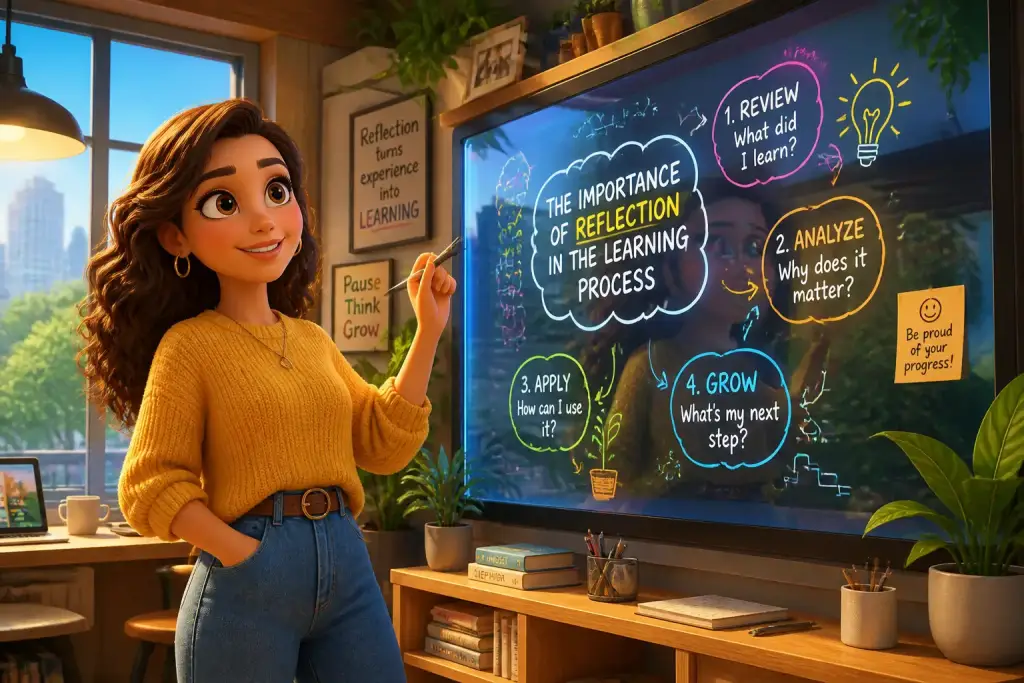
Reflective reading encourages deeper thinking about what you read. Instead of moving quickly from one book to another, take time to ponder the material. Ask yourself questions about the text and consider how it relates to your own experiences or beliefs. This practice can lead to a richer understanding and retention of information.
After finishing a book or article, set aside time to reflect. Write down your thoughts, insights, and any questions that may have arisen. This process allows you to connect ideas and solidify knowledge. It also encourages critical thinking, which is essential for deeper learning.
Discussing your reflections with others can further enhance your understanding. Engaging in thoughtful conversations about what you have read can lead to new interpretations and insights. Sharing your reflections creates opportunities for collaborative learning.
Consider maintaining a reading journal where you can document your reflections. This journal can serve as a personal archive of your thoughts and insights, making it easier to revisit ideas in the future. This practice not only helps you remember what you’ve learned but also illustrates your growth as a reader and thinker.