




Table of Contents
Why Interactive Learning Matters
Interactive learning platforms stand out in modern education due to their ability to engage users actively. These platforms transform traditional teaching methods into dynamic experiences that foster better understanding. With the rise of technology, learners now seek ways to gain knowledge that are not only informative but also fun and engaging. Interactive learning allows students to participate fully, encouraging deeper understanding and retention of information.
- Explore various platforms to find the best fit for your learning style.
- Engage with interactive tools to enhance understanding and retention.
- Use feedback systems to improve your learning outcomes consistently.
Studies show that students who engage with interactive content perform better academically. For example, platforms that incorporate quizzes, games, and simulations allow learners to apply their knowledge in real-world contexts. This active participation helps solidify concepts and improves critical thinking skills. Because of this, many educators and institutions are integrating these tools into their curricula to maximize student engagement.
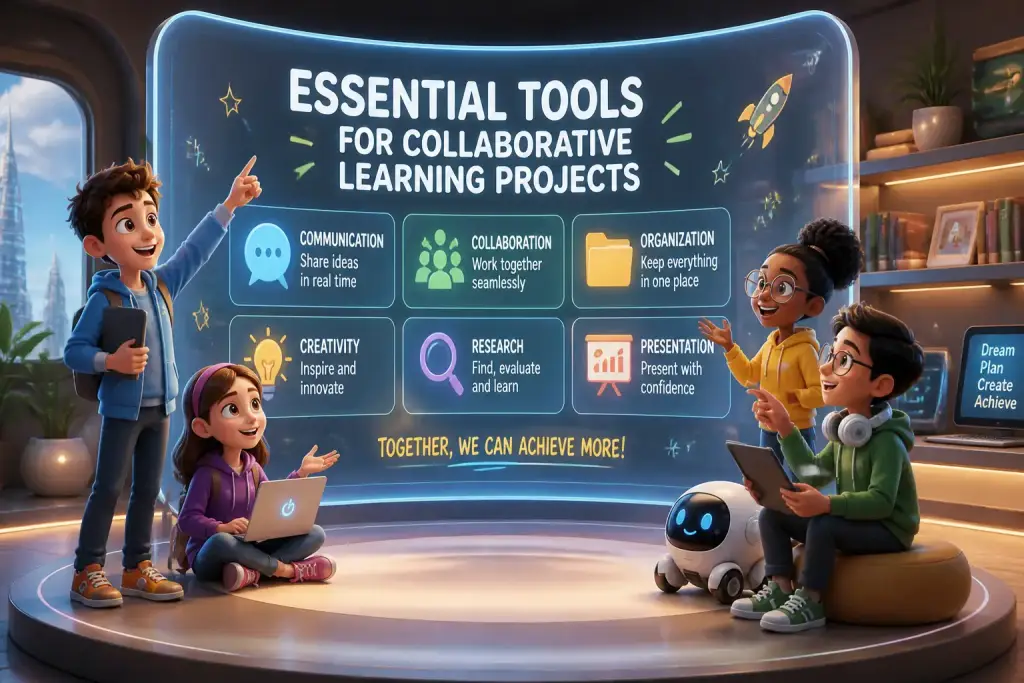
Interactive learning platforms promote collaboration. Students can work together on projects, share ideas, and provide feedback to one another. This not only enhances the learning experience but also builds a sense of community among learners. With various tools available, it is easier than ever to create a collaborative learning environment that benefits everyone involved.
Top Platforms for Interactive Learning
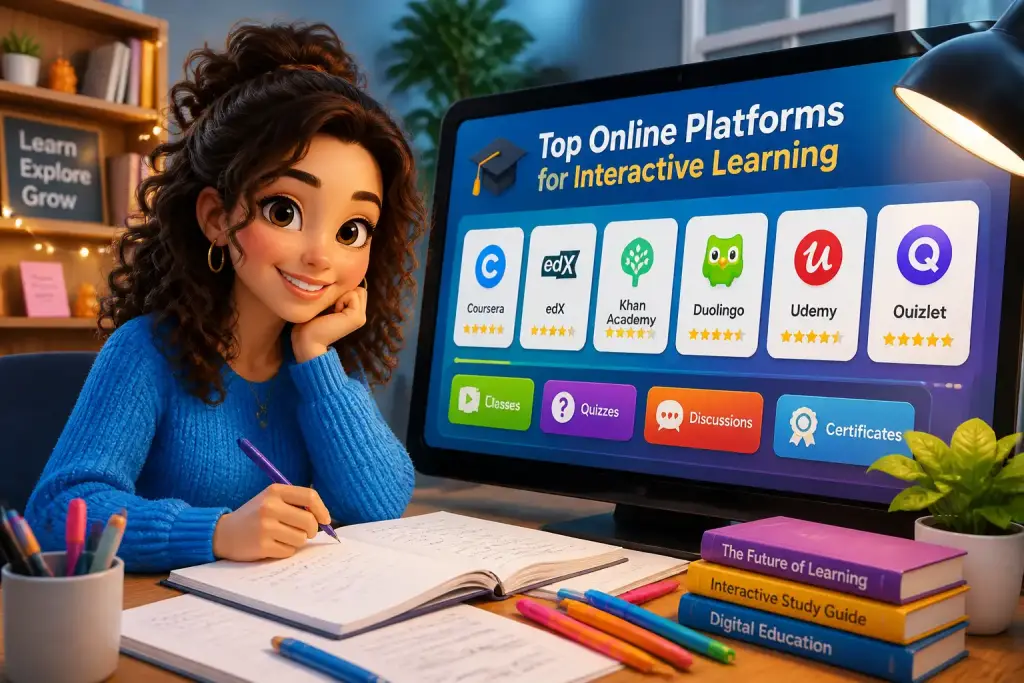
Many platforms provide unique features and functionalities tailored to different learning styles. Here are some of the top online platforms for interactive learning that you can explore:
- Kahoot!: A game-based learning platform that allows users to create quizzes and play in real-time. It is popular in classrooms and corporate training sessions.
- Moodle: An open-source learning management system that supports various activities such as forums, quizzes, and assignments, fostering a rich learning environment.
- Edmodo: This platform combines social networking with education, allowing students and teachers to share resources and communicate effectively.
- Quizlet: A study tool that enables users to create flashcards and quizzes, making it easier to memorize and review information.
Each of these platforms offers unique capabilities. For instance, Kahoot! makes learning fun through competition, while Moodle provides a more structured learning environment. Depending on your goals and preferences, choosing the right platform can significantly enhance your learning experience.
Engaging with Gamification in Learning
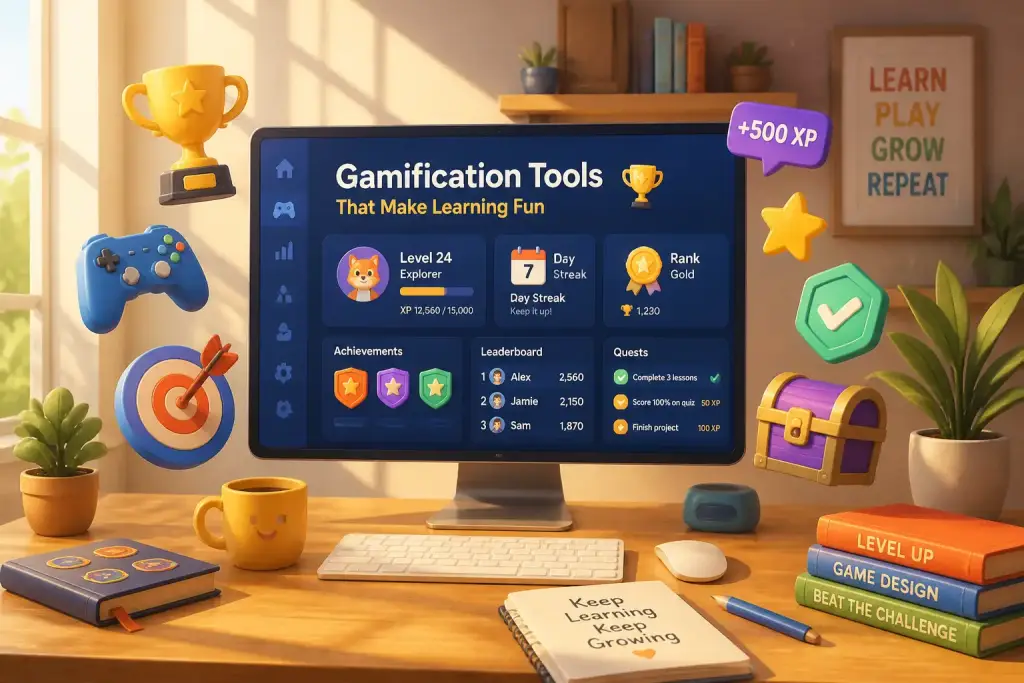
Gamification has become a popular trend in education, and many interactive learning platforms incorporate this element to boost engagement. By using game-like elements, such as points, badges, and leaderboards, learners feel motivated to participate actively. This approach creates a sense of accomplishment and encourages continuous learning.
Popular platforms like Kahoot! and Classcraft use gamification to enhance the learning experience. Kahoot! allows users to create quizzes that can be played in real-time, fostering friendly competition. Classcraft takes this a step further by turning the classroom into a role-playing game, where students earn points for good behavior and academic achievements.
Implementing Gamification in Your Learning
To effectively use gamification in learning, follow these steps:
- Identify your learning objectives and goals.
- Choose a platform that aligns with your objectives.
- Create engaging content that incorporates game elements.
- Encourage collaboration and friendly competition among learners.
By incorporating these steps, you can create an engaging learning environment that motivates learners to achieve their best.
Personalized Learning Experiences
Personalization is key in modern education. Interactive learning platforms often offer features that allow learners to tailor their experiences based on their needs. This personalization helps cater to different learning styles, ensuring that everyone can benefit from the educational resources available.
For instance, platforms like Khan Academy provide personalized learning paths based on individual progress. As learners engage with the content, the platform adapts to their strengths and weaknesses, guiding them through the necessary material. This approach not only helps learners grasp concepts more effectively but also keeps them motivated to continue their studies.
Implementing a feedback system can enhance personalized learning. Regular feedback helps learners understand where they stand and what they need to improve. Creating a feedback system encourages learners to reflect on their performance and adjust their strategies accordingly. For guidance on building such a system, consider checking out Building a Feedback System for Continuous Improvement.
Popular Tools for Collaboration
Collaboration is essential for effective learning. Many interactive platforms provide tools that allow learners to work together on projects and share ideas. These tools foster teamwork and help develop communication skills, which are vital in both academic and professional settings.
Platforms like Edmodo and Microsoft Teams encourage collaboration among students and teachers. Edmodo provides a social media-like environment where users can share resources, while Microsoft Teams integrates various tools for group projects, discussions, and file sharing. These platforms make it easy for learners to communicate and collaborate in real-time, regardless of their location.
Using Collaboration Tools Effectively
To maximize collaboration on interactive learning platforms, consider these strategies:
- Establish clear roles for each team member to ensure accountability.
- Set regular check-in meetings to discuss progress and challenges.
- Encourage open communication to foster a supportive environment.
Implementing these strategies can lead to more successful collaborative projects and enhance the overall learning experience.
Try combining different platforms to create a personalized learning experience that addresses your unique needs and goals.
Assessing Learning Outcomes
Assessment is a critical aspect of the learning process. Interactive platforms often include built-in assessment tools that help educators and learners track progress. Assessments can take various forms, such as quizzes, assignments, and peer evaluations, allowing for a comprehensive understanding of a learner’s performance.
Using platforms like Quizlet or Google Forms, educators can create assessments that align with learning objectives. These tools provide instant feedback, helping learners identify areas for improvement. Additionally, assessments can be customized to suit different learning styles, ensuring that all students can demonstrate their understanding effectively.
Regular assessments encourage learners to engage with the material actively. By receiving timely feedback, students can adjust their study habits and focus on areas that require more attention. For more insights on creating effective learning systems, you can read about Designing a Personal Learning System That Fits Your Needs.
Future Trends in Interactive Learning
The future of interactive learning is bright, with advancements in technology continuously shaping the landscape. Emerging trends include the use of virtual reality (VR) and augmented reality (AR) to create immersive learning experiences. These technologies allow learners to explore environments and scenarios that would otherwise be inaccessible, enhancing understanding and retention.
Artificial intelligence (AI) is becoming increasingly prevalent in educational platforms. AI can personalize learning experiences by analyzing data and providing tailored recommendations based on individual progress. This development ensures that learners receive the support they need to succeed.
As technology evolves, the potential for interactive learning platforms will expand. Staying informed about these trends can help educators and learners choose the best tools for their needs. Embracing innovation will lead to more engaging and effective learning experiences for everyone.