







Table of Contents
Enhancing Learning Through Visual Techniques
Visual learning techniques focus on using visuals to improve understanding and retention of information. Many learners find that incorporating images, diagrams, and videos helps them grasp complex ideas more easily. This approach contrasts with traditional methods that rely heavily on text and lectures. Visual aids can stimulate interest and engagement, making the learning experience more enjoyable and productive.
- Visual aids can significantly enhance memory retention and understanding of new concepts.
- Mind mapping helps organize thoughts and facilitates easier recall of information.
- Engaging with digital tools can streamline the learning process and make studying more interactive.
Today, students and professionals alike are turning to visual learning techniques to boost their comprehension. For instance, infographics can distill large amounts of information into digestible formats. Instead of reading through pages of text, learners can absorb data at a glance, making key points clear and memorable. This method is increasingly popular in our fast-paced world, where time is precious and clarity is crucial.
Modern technologies also support visual learning. Digital platforms allow for interactive content that captures attention and encourages participation. Many educational apps now offer features like video tutorials and animated lessons, providing learners with various means to engage with the material. As we embrace these tools, the shift towards visual learning techniques becomes ever more apparent.
Types of Visual Learning Techniques
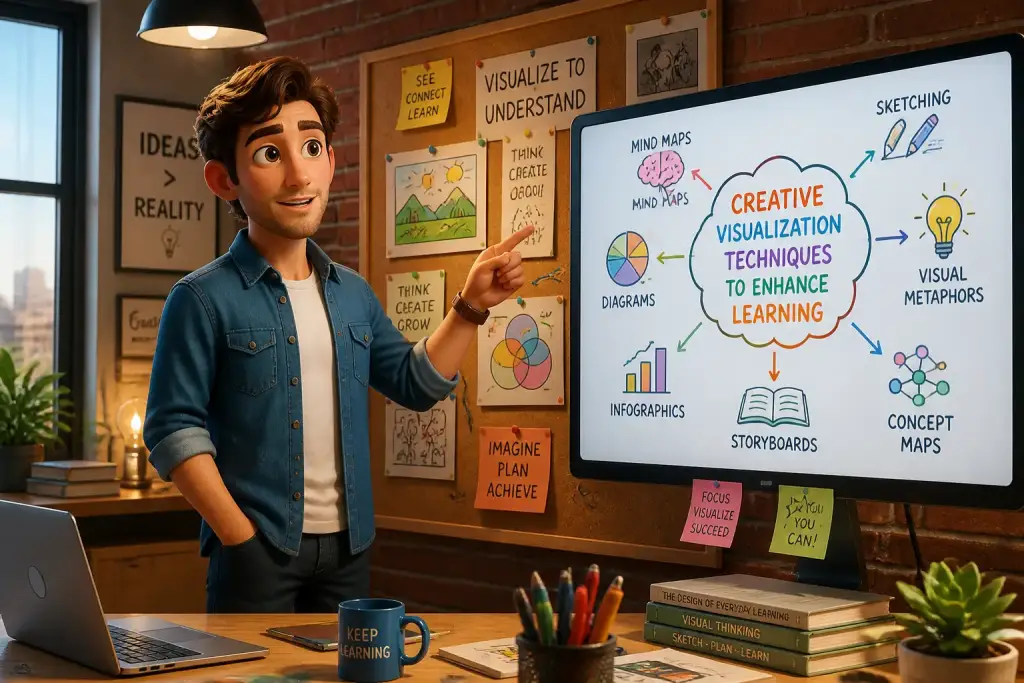
Different visual learning techniques can cater to various learning styles. Some popular methods include mind mapping, graphic organizers, and visual note-taking. Each of these techniques serves a unique purpose in helping learners make sense of information.
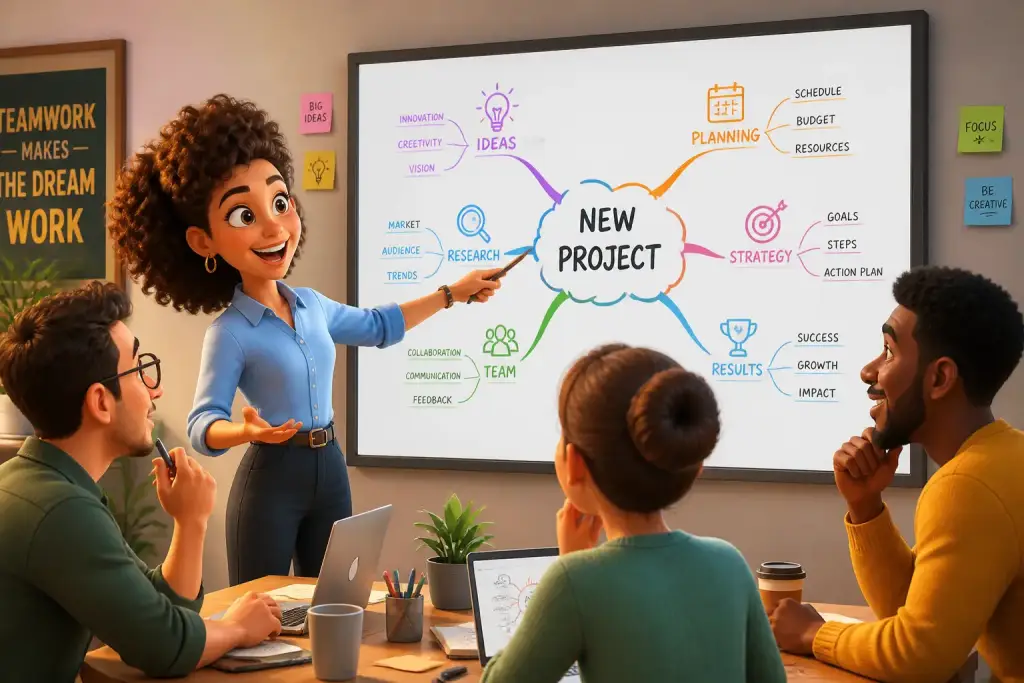
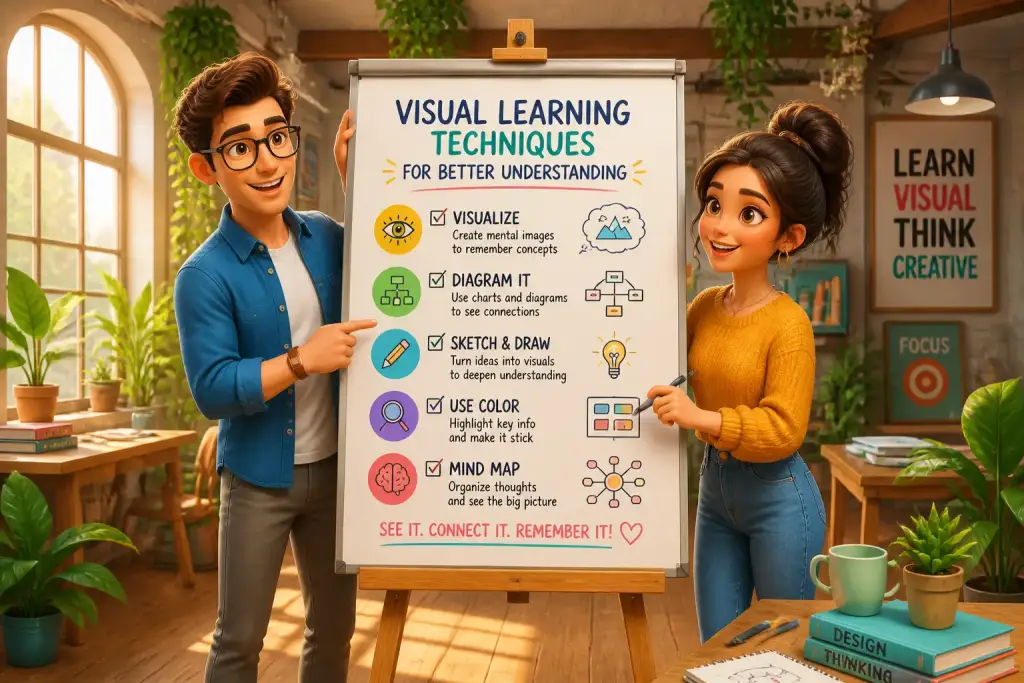
Mind mapping is one effective strategy that visually represents information. It begins with a central idea at the center of a diagram, from which related concepts branch out. This technique encourages connections between ideas, making it easier for learners to see the bigger picture. Mind maps can be created using paper and pens or digital tools, such as mind mapping software.
Graphic organizers are another valuable tool. These include charts, graphs, and diagrams that help organize information visually. For example, a Venn diagram can illustrate the similarities and differences between two concepts, while flowcharts can depict processes and sequences. These organizers break down complex information into manageable parts, making it more accessible to learners.
Implementing Visual Note-Taking
Visual note-taking combines traditional note-taking with images and symbols, creating a richer learning experience. This technique can be particularly useful during lectures or presentations. Instead of writing down every word, students can draw diagrams or use color coding to highlight key points. This method not only aids in retention but also makes reviewing notes more engaging.
Here are some effective steps for implementing visual note-taking:
- Use symbols and icons to represent ideas. For example, a light bulb can symbolize an important concept.
- Incorporate colors to differentiate between themes or categories. This visual distinction can make your notes easier to navigate.
- Draw diagrams to illustrate relationships between topics. Visual representations can clarify complex systems or processes.
- Review and revise notes regularly to reinforce learning. Creating a habit of revisiting your visual notes will strengthen recall.
Visual note-taking also allows for a more personalized approach to learning. Each individual can develop their own system that works best for them. This customization makes studying more enjoyable and effective, as learners feel a greater connection to the material.
The Role of Infographics in Learning
Infographics have become a popular tool in education and communication. These visual representations combine text and images to convey information quickly and clearly. Infographics can simplify complex topics and provide a concise overview of essential data.
Using infographics can enhance understanding in several ways:
- They capture attention. A well-designed infographic can draw interest and make the material more engaging.
- They summarize key points. Infographics often distill information into bite-sized pieces, allowing for easier comprehension.
- They support memory retention. The combination of visuals and text helps reinforce learning by appealing to different senses.
Many online tools allow users to create their own infographics. Utilizing these platforms enables learners to summarize their knowledge visually while reinforcing their understanding. By designing an infographic, learners actively engage with the content, leading to deeper comprehension.
When focusing on digital tools for visual learning, test incremental daily adjustments for 2 weeks before making permanent changes to evaluate real results.
Digital Tools for Visual Learning
In our technology-driven world, various digital tools are available to support visual learning. Many platforms offer features that enhance the learning experience through interactivity and engagement. For instance, applications for digital note-taking have gained popularity, allowing users to create organized, visual notes on their devices. These tools often include options for integrating images and diagrams, further enhancing the learning process. For more insights on effective tools, check out our article on digital note-taking tools.
Video platforms provide a wealth of visual content. Educational videos can explain complex concepts, making them more accessible. Many learners benefit from seeing information presented visually, as it helps fill in gaps that text alone cannot. Interactive video content, like quizzes and annotations, can also reinforce learning.
Lastly, virtual and augmented reality applications are emerging as powerful educational tools. These technologies create immersive learning experiences that allow students to explore subjects in a hands-on way. Whether it is walking through historical events or examining the human body in 3D, these experiences can significantly enhance understanding and retention.
Creating a Visual Learning Environment
Establishing a visual learning environment can further support understanding and retention. This involves creating spaces that encourage the use of visual aids and tools. Consider incorporating charts, posters, and other visual resources in study areas to stimulate engagement.
Here are some tips for creating an effective visual learning environment:
- Incorporate colorful visuals. Bright colors can capture attention and create a stimulating atmosphere.
- Use whiteboards or chalkboards for brainstorming. This encourages collaborative visual thinking, allowing ideas to flow freely.
- Create zones for different activities. Designate areas for reading, group work, and visual aids to foster focused learning.
By crafting a space that prioritizes visual learning, students can develop a more profound connection to the material. This tailored environment empowers learners to explore concepts actively and enhances their overall educational experience.
Embracing the Future of Visual Learning
As we move forward, visual learning techniques will continue to evolve. The integration of technology and education will open new avenues for learners to engage with content. Virtual and augmented reality will likely become more commonplace in educational settings, offering immersive experiences that were once unimaginable.
The rise of online learning platforms will further emphasize the need for effective visual strategies. As education becomes more accessible through digital mediums, understanding how to present information visually will be essential for educators and learners alike.
In conclusion, visual learning techniques are crucial for improving understanding and retention. By embracing various methods and tools, learners can enhance their educational experience and achieve better results. As we continue to explore innovative approaches to learning, the potential for visual techniques will undoubtedly expand, shaping the future of education.