









Table of Contents
Embracing Challenges in Learning
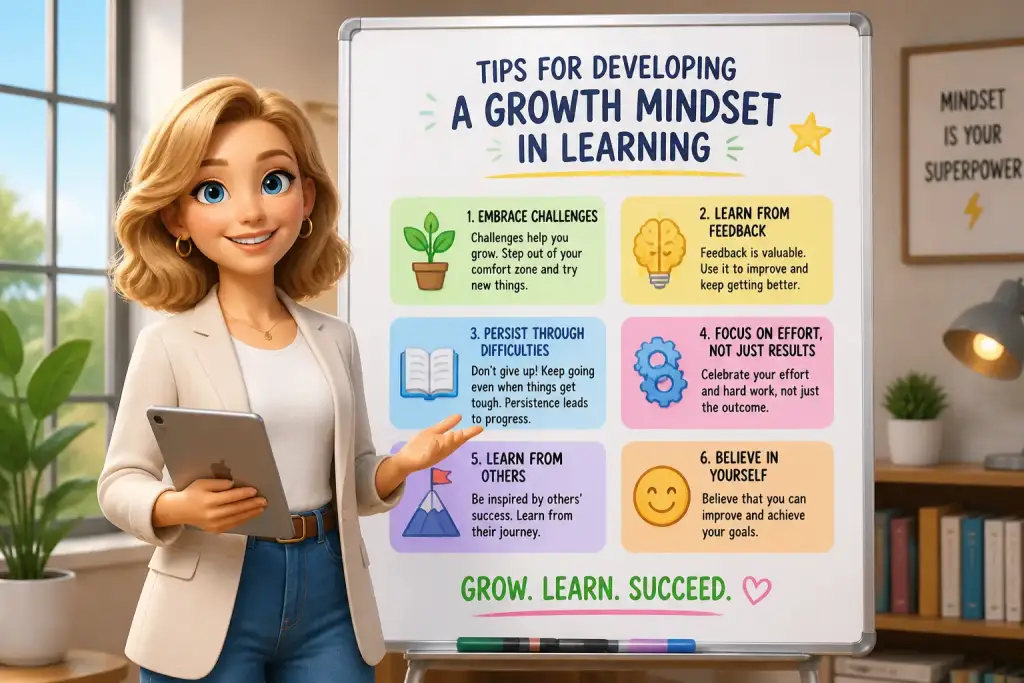
Facing challenges head-on is an important aspect of developing a growth mindset. When learners encounter difficulties, they often feel discouraged and may want to give up. However, embracing challenges is crucial for growth. Students should view these obstacles as chances to learn and improve their skills. For instance, a student struggling with math might benefit from practicing problems rather than avoiding them. This practice helps build confidence and competence over time.
- Embrace challenges as opportunities for growth.
- Cultivate resilience by viewing failures as learning experiences.
- Seek constructive feedback to improve continuously.
To effectively embrace challenges, learners can start by changing their language. Instead of saying, “I can’t do this,” they might say, “I can’t do this yet.” This subtle shift in wording helps reinforce the idea that abilities can grow with effort and time. It encourages learners to persist through difficulties rather than retreat. Setting specific, achievable goals can also aid in this process. For example, a student can set a goal to improve their math grade by a certain percentage over the semester, focusing on incremental progress.
Learners should cultivate a habit of seeking out new challenges. Engaging in activities outside their comfort zone, such as joining a new club or tackling a difficult subject, can stimulate growth. By actively choosing to confront challenging tasks, students can develop resilience and adaptability. This mindset not only enhances academic performance but also prepares them for real-world challenges.
Learning from Failure
Failure is often viewed negatively, yet it is an essential part of the learning process. Understanding that failure is a stepping stone to success can empower learners to take risks and explore new ideas. When students fail, it is important for them to analyze what went wrong. This reflection can lead to valuable insights that inform future attempts. For example, if a student receives a poor grade on an essay, instead of becoming disheartened, they should consider feedback and think about how they can improve next time.
To effectively learn from failure, students should adopt a systematic approach. Here are some steps they can follow:
- Reflect on the experience and identify what went wrong.
- Seek feedback from teachers or peers to gain a different perspective.
- Set specific goals for improvement based on the feedback received.
- Implement the changes in the next attempt and monitor progress.
This process of reflection and feedback can transform failure into a powerful learning tool. Students learn to view setbacks not as dead ends but as opportunities for growth. Emphasizing this mindset can help them maintain motivation and enthusiasm for their studies.
Building a Supportive Learning Environment
A supportive learning environment plays a vital role in developing a growth mindset. Surrounding oneself with encouraging peers and mentors can provide the necessary support to face challenges. Positive reinforcement from those around them can motivate learners to push their limits. For instance, study groups can offer not just academic help but also emotional support. When students hear others share their struggles and successes, it fosters a sense of community.
Creating a physical environment that promotes learning is also essential. A clutter-free workspace with resources readily available can help students focus better. Additionally, incorporating visual cues, such as motivational quotes or reminders of past achievements, can serve as daily encouragement. These small changes can significantly impact students’ attitudes toward their learning journey.
Creating a Positive Peer Network
Building a network of supportive peers can enhance the growth mindset experience. Here are some tips to cultivate a positive peer network:
- Engage in group activities that promote teamwork and collaboration.
- Share personal learning goals with peers to foster accountability.
- Celebrate each other’s successes to reinforce positive behaviors.
- Encourage open discussions about challenges and solutions.
When students feel supported, they are more likely to take risks and explore new ideas. A positive peer environment nurtures resilience, helping them remain focused on their goals.
Seeking Feedback for Continuous Improvement
Feedback is a powerful tool in the learning process. It helps students identify their strengths and areas for growth. Actively seeking feedback can accelerate the development of a growth mindset. Instead of waiting for formal evaluations, learners should ask for input from teachers, peers, and even family members. This proactive approach encourages continuous learning and improvement.
To effectively incorporate feedback, students can follow these steps:
- Request feedback on specific aspects of their work or performance.
- Listen actively to the feedback without becoming defensive.
- Reflect on how the feedback can inform future efforts.
- Implement suggested changes in subsequent tasks.
For instance, a student who receives feedback on a presentation might focus on improving their delivery skills for the next one. This iterative process not only enhances specific skills but also reinforces the idea that learning is an ongoing journey. Building a feedback system is a vital aspect of developing a growth mindset. Students should take advantage of tools like peer reviews or teacher evaluations to cultivate this habit.
When focusing on adopting a lifelong learning perspective, test incremental daily adjustments for 2 weeks before making permanent changes to evaluate real results.
Adopting a Lifelong Learning Perspective
Adopting a perspective of lifelong learning is essential for fostering a growth mindset. This perspective encourages individuals to view education as an ongoing journey rather than a destination. By embracing the idea that learning never stops, students can remain open to new ideas and experiences throughout their lives. For instance, someone might take up a new hobby or enroll in a course to explore an interest later in life.
Lifelong learners tend to stay curious and engaged. They actively seek knowledge and skills that can enhance their personal and professional lives. This mindset creates a sense of excitement around learning. To cultivate lifelong learning, students can engage in various activities:
- Read widely across different subjects to broaden their knowledge base.
- Participate in workshops or seminars to learn new skills.
- Connect with mentors who can provide guidance and inspiration.
- Use online platforms to explore interactive learning opportunities.
These activities not only enhance knowledge but also reinforce a growth mindset. When students understand that learning can happen anytime and anywhere, they become more adaptable and resilient in the face of challenges.
Cultivating Self-Reflection and Mindfulness
Self-reflection and mindfulness are key components of developing a growth mindset. These practices allow learners to assess their progress and align their efforts with their goals. Regularly taking time to reflect on experiences can help students identify what works well and what needs improvement. For example, keeping a learning journal can encourage students to document their thoughts and feelings about their learning process.
Mindfulness, on the other hand, helps students stay present and focused. It reduces anxiety and enhances concentration, making it easier to tackle challenges. Simple mindfulness exercises, such as deep breathing or meditation, can be integrated into daily routines. Students can set aside a few minutes each day to practice mindfulness, allowing them to reset and refocus.
Practices for Self-Reflection
Here are some effective practices for self-reflection:
- Set aside time at the end of each week to review achievements and challenges.
- Ask reflective questions like, “What did I learn this week?” and “How can I improve?”
- Share reflections with peers for additional insights.
- Adjust learning strategies based on reflections and feedback.
Engaging in self-reflection not only deepens understanding but also reinforces the belief that growth is possible with effort and persistence.
Transforming Your Learning Journey
Transforming your learning journey through a growth mindset requires commitment and practice. By embracing challenges, learning from failure, and seeking feedback, students can develop a resilient approach to learning. Building a supportive environment and adopting a lifelong learning perspective further enhances this mindset. Integrating self-reflection and mindfulness practices can solidify these changes.
As learners implement these strategies, they will likely notice significant improvements in their academic performance and personal growth. The shift from a fixed to a growth mindset can lead to increased motivation, creativity, and overall satisfaction in learning. Remember, the journey of learning is continuous, and every step taken is a step toward becoming a more capable and confident individual.
Developing a growth mindset is about fostering a love for learning and embracing the journey. With the right approach, every learner can transform their experiences into opportunities for growth and success.