








Table of Contents
Core Elements of Your Content Creation Needs
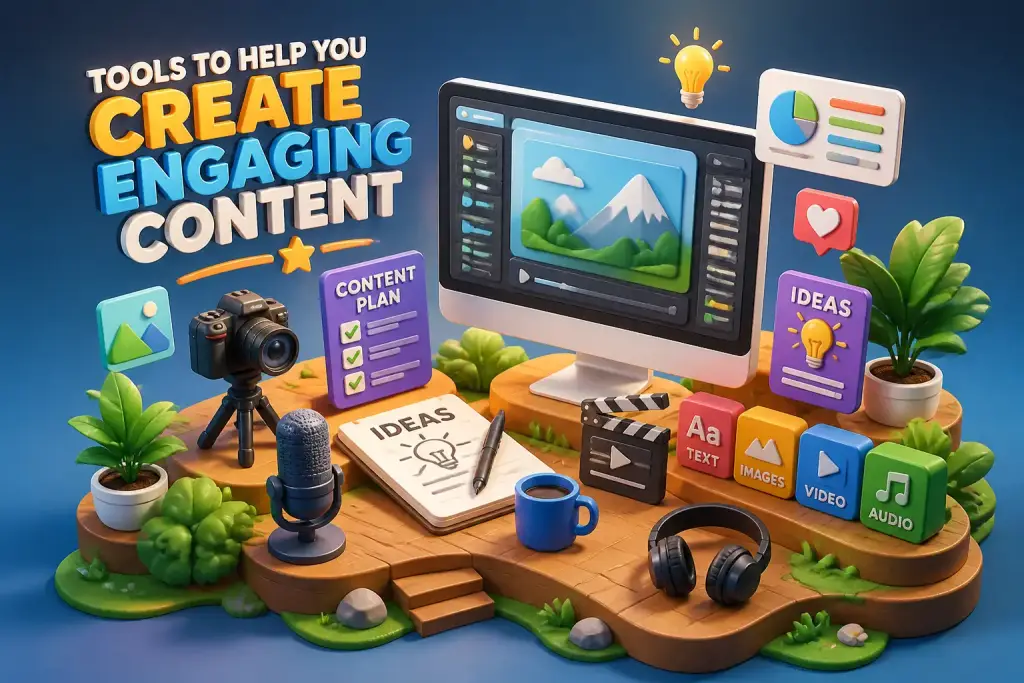
Content creation is essential for businesses and individuals looking to connect with audiences. Knowing what types of content you want to produce helps in selecting the right tools. Are you focusing on written articles, videos, or social media posts? Each format has its own set of tools that cater specifically to its needs. By identifying your content goals, you can streamline your workflow and enhance creativity.
- Content creation tools can improve efficiency and engagement.
- Visual aids enhance storytelling and audience retention.
- Collaboration tools streamline the creative process with teams.
For example, if your goal is to write engaging blog posts, look for tools that help with grammar checks, readability, and SEO optimization. Alternatively, if you aim to create videos, consider software that allows easy editing and adds special effects. Understanding these needs will guide you in choosing the best tools.
Surveys show that content creators who use the right tools see a 50% increase in productivity. This means you can produce more content in less time, and the quality can also improve. Tools that fit your specific needs help you focus on what matters most: your audience.
Writing and Editing Tools for Clarity
Effective writing is a cornerstone of engaging content. Tools that assist in writing and editing can dramatically improve the clarity of your message. Programs like Grammarly and Hemingway Editor help users with grammar, style, and readability. These tools provide suggestions to enhance your writing, making it more appealing and easier to understand.
Grammarly offers real-time feedback on grammar and punctuation, while Hemingway highlights complex sentences and passive voice, encouraging simpler alternatives. By using these tools, writers can create content that resonates with readers, ensuring they grasp the intended message without confusion.
Steps to Use Writing Tools Effectively
- Start by drafting your content in a word processor.
- Run your text through Grammarly for grammar checks.
- Copy your text into Hemingway to assess readability.
- Make revisions based on the feedback received.
Writing tools not only improve the quality of work but also save time. With fewer revisions needed, creators can focus on developing more content. Embracing these tools can lead to more polished pieces that engage audiences effectively.
Visual Creation Tools for Enhanced Engagement
Visual elements play a critical role in capturing attention. Graphics, charts, and infographics can make your content more engaging. Tools like Canva and Adobe Spark allow users to create stunning visuals without needing advanced design skills. These platforms provide templates and design elements to help anyone produce professional-looking graphics.
Incorporating visuals into your content can improve retention rates significantly. Studies indicate that people remember 80% of what they see compared to 20% of what they read. Using visuals helps convey complex ideas more simply and effectively.
Tips for Using Visual Tools
- Choose a template that fits your brand style.
- Use high-quality images to enhance your message.
- Incorporate charts or infographics to present data clearly.
- Ensure all visuals are relevant to the content.
By using these tools, you can create eye-catching images that complement your writing. This combination of text and visuals makes your content more appealing and helps hold your audience’s interest longer.
Audio and Video Tools to Diversify Content
Incorporating audio and video can diversify your content strategy. Tools like Audacity and Camtasia are excellent for creating high-quality audio and video content. Whether it’s a podcast episode or video tutorial, these tools offer features that simplify the production process.
Audacity is a free audio editing software that allows users to record and edit sound files. It is user-friendly and offers various effects and enhancements to improve audio quality. Camtasia, on the other hand, provides screen recording and editing features for video content. These tools allow creators to produce professional-grade audio and video without extensive training.
Steps to Create Engaging Audio and Video
- Choose a topic that resonates with your audience.
- Prepare a script or outline to stay on track.
- Record using Audacity or Camtasia, ensuring good audio and video quality.
- Edit your content to remove mistakes and add effects.
By offering audio and visual content, you cater to different audience preferences. This approach can enhance engagement and reach a broader audience. Videos and podcasts are becoming increasingly popular, making it essential for content creators to adapt and incorporate these formats.
Always test different tools to find what best fits your style and needs, as each creator has unique preferences and workflows.
Collaboration Tools for Team Projects
Working with a team can enhance creativity and productivity. Collaboration tools like Trello and Slack help streamline communication and project management. Trello allows teams to organize tasks visually, making it easy to track progress and deadlines. Slack provides a platform for instant messaging, making it simple to share ideas and updates.
Using these tools can significantly improve teamwork. They help keep everyone on the same page, reducing misunderstandings and enhancing productivity. Teams that use collaboration tools report better workflow and more successful project outcomes.
How to Use Collaboration Tools Effectively
- Create separate channels for different projects on Slack.
- Use Trello boards to assign tasks and deadlines clearly.
- Schedule regular check-ins to discuss progress and challenges.
- Encourage team members to share updates and feedback openly.
By leveraging collaboration tools, content teams can work more efficiently. They foster a collaborative environment that encourages creativity and innovation. This approach is vital for producing high-quality content that meets audience expectations.
SEO Tools for Optimizing Content Performance
Search engine optimization (SEO) is crucial for content visibility. Tools like Yoast SEO and SEMrush help creators optimize their content for search engines. Yoast SEO provides real-time feedback on keyword usage, readability, and other essential SEO factors, ensuring your content is search-friendly.
SEMrush is a comprehensive tool for keyword research and competitive analysis. It helps identify trending topics and keywords, allowing creators to tailor their content strategies accordingly. Using these tools can lead to better rankings on search engines, increasing visibility and audience reach.
Steps to Optimize Content with SEO Tools
- Identify relevant keywords using SEMrush.
- Incorporate these keywords naturally into your content.
- Use Yoast to check for SEO optimization.
- Revise based on Yoast feedback to improve rankings.
By integrating these tools into your content creation process, you can enhance your online presence. A well-optimized piece not only attracts more visitors but also engages them effectively. SEO tools are essential for anyone serious about content creation and audience growth.
Measuring Engagement and Performance
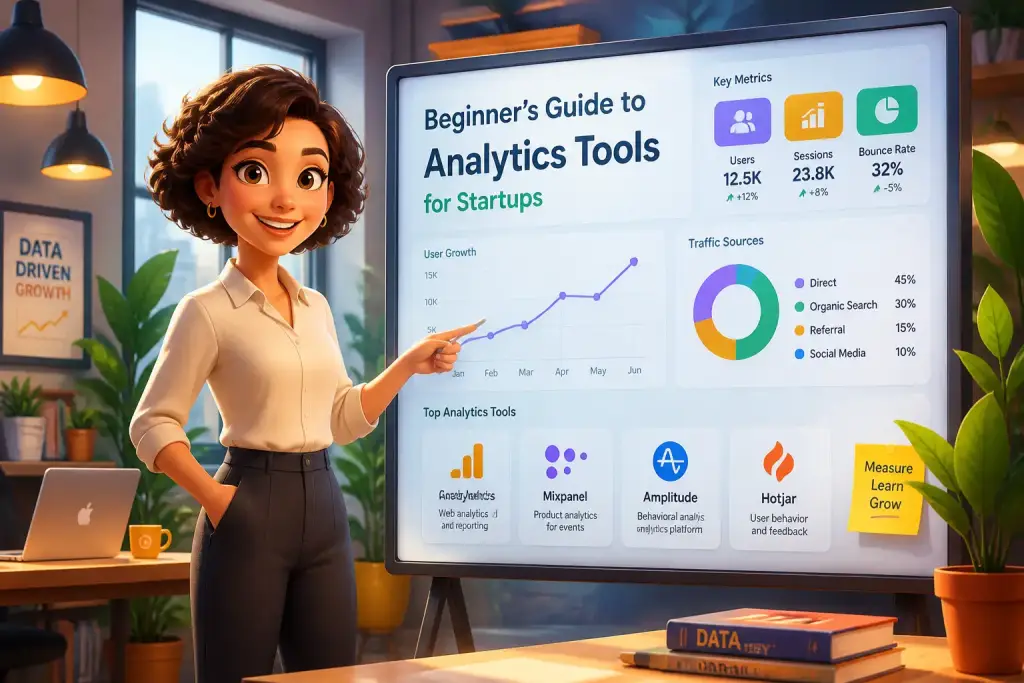
Analyzing the performance of your content is vital to understanding its effectiveness. Tools like Google Analytics and Buffer provide insights into audience behavior and engagement metrics. Google Analytics tracks website traffic, user engagement, and demographics, helping content creators understand what works and what does not.
Buffer, on the other hand, focuses on social media performance. It allows users to schedule posts and track engagement metrics, providing valuable data on what types of posts resonate with audiences. By measuring performance, you can make informed decisions about future content strategies.
How to Use Analytics Tools for Improvement
- Regularly check Google Analytics for traffic patterns.
- Identify which content performs best and why.
- Use Buffer to analyze social media engagement rates.
- Adapt your strategy based on findings to improve future content.
Measuring engagement helps refine your content strategy, leading to better results over time. By understanding audience preferences, creators can produce more relevant and engaging content that meets their needs.