







Table of Contents
Effective Techniques for Flashcard Use
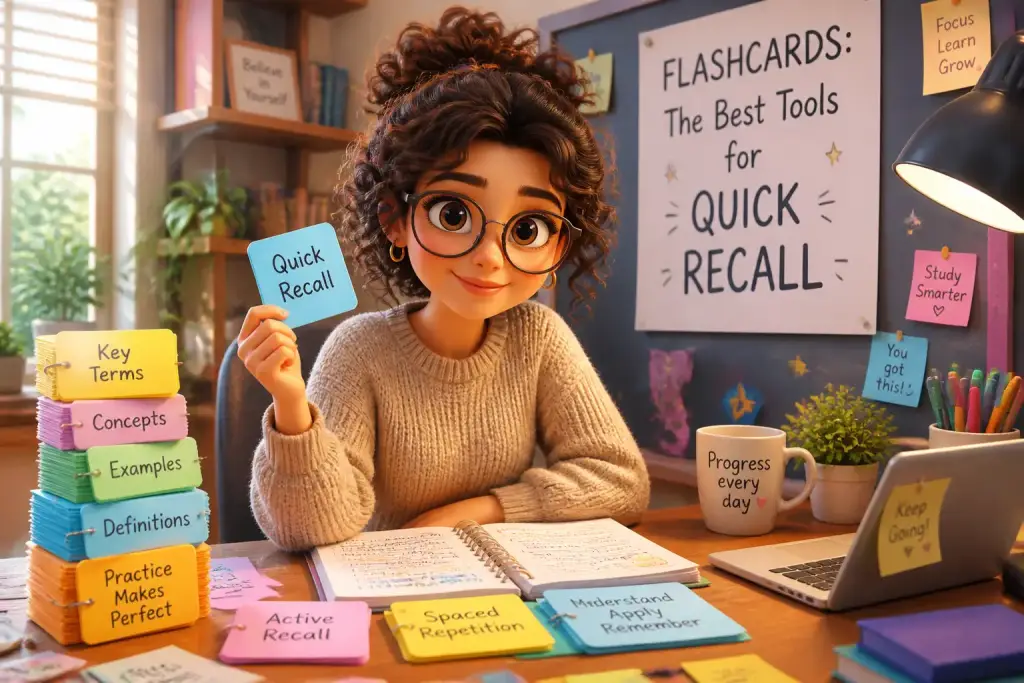
Flashcards serve as a powerful tool for quick recall, enhancing learning efficiency and retention. These small cards can be customized to suit various subjects and learning styles. To make the most of flashcards, start by identifying key concepts or terms you wish to learn. Write down these terms on one side of the card and their definitions or explanations on the other. This simple yet effective practice forms the basis of active recall, which is essential for long-term memory retention.
- Flashcards enhance memory through active recall and spaced repetition.
- Customizing flashcards to fit personal learning styles improves effectiveness.
- Digital flashcard tools offer interactive features for engaging study sessions.
This technique encourages you to retrieve information from memory, enhancing your ability to remember. Consider using colors or images on your cards. For example, if studying biology, you might use green for plant-related terms and blue for animal-related terms. This method not only makes your flashcards visually appealing but also helps create mental links between colors and concepts, boosting memory retention.
Incorporating spaced repetition is another effective practice. Instead of cramming all information at once, review your flashcards regularly over increasing intervals. This method helps to reinforce memory over time and is highly effective for long-term retention. For those interested in learning more about this method, check out the article on implementing a review system for long-term retention.
Choosing the Right Flashcard Format
When selecting flashcards, you have the option of traditional paper cards or digital formats. Each type has its own advantages. Paper flashcards are tactile and can be easier to use for quick reviews. They allow you to physically shuffle and organize the cards, which can aid learning. However, digital flashcards provide features that paper cannot, such as audio, images, and interactive quizzes.
Many apps are available for creating and studying digital flashcards. Popular choices include Anki, Quizlet, and Brainscape. These platforms allow you to create your own sets or access thousands of pre-made cards on a variety of topics. Digital tools can track your progress and offer reminders for when to review certain cards based on your performance.
For instance, Anki uses an algorithm to determine when you should see each card again, ensuring that you focus more on the cards you struggle with. This targeted approach maximizes study efficiency. Consider trying out different formats to see which works best for your learning style.
The Science Behind Flashcards and Memory
Understanding the science behind how flashcards work can enhance their effectiveness. Flashcards leverage principles of cognitive psychology, particularly the concept of active recall. This process engages your brain in retrieving information, strengthening neural connections tied to that knowledge.
Research shows that active recall significantly improves memory retention compared to passive study methods. When you test yourself using flashcards, you reinforce what you know and identify areas that need improvement. This approach is more effective than simply reading or highlighting text, as it requires mental effort to retrieve information.
Another important aspect is the spacing effect. Studies have demonstrated that spacing out your study sessions leads to better long-term retention. Instead of cramming, studying in shorter, spaced intervals helps solidify knowledge in your memory. Combining this with flashcards can create a potent learning strategy.
Creating Custom Flashcards for Your Needs
Creating custom flashcards tailored to your learning needs can significantly enhance your study sessions. Start by focusing on key topics or concepts that are challenging for you. For example, if learning a new language, include vocabulary words, phrases, and grammatical rules on your cards. This customization ensures that you are actively engaging with the material that matters most to you.
Consider including example sentences or images alongside definitions. For instance, if your card is about the word “apple,” you might include a picture of an apple and a sentence like “I eat an apple every day.” This multi-sensory approach can help reinforce learning through visual associations.
Another effective strategy is to incorporate questions on one side of the card. For example, write “What are the three states of matter?” and then provide the answer on the back. This question-and-answer format engages your brain and encourages deeper processing of the information, aiding retention.
Maximizing Flashcard Study Sessions
To maximize your flashcard study sessions, start by setting clear goals. Determine how many cards you want to review in a sitting and stick to that limit. This prevents feeling overwhelmed and helps you focus on quality over quantity. Break down your study time into shorter intervals with breaks to keep your mind fresh.
Use different study techniques within your sessions. For example, try studying with a partner where you quiz each other. This interactive approach can make studying more engaging and fun. Additionally, consider using a timer to create a sense of urgency. Set a timer for a few minutes and see how many cards you can recall accurately.
To further enhance your sessions, keep track of which cards you find challenging. You can separate these “difficult cards” and review them more often until you feel confident. This targeted practice will help you improve in areas where you struggle the most.
Use color coding and images on your flashcards to create visual associations, making it easier to remember concepts and information.
Integrating Flashcards into Your Study Routine
Integrating flashcards into your regular study routine can lead to significant improvements in your learning outcomes. Start by identifying specific times during your day when you can dedicate to flashcard study. Whether it is during your commute, breaks, or right before bed, consistency is key.
Consider setting aside at least 10 to 15 minutes daily for flashcard practice. This brief but regular engagement helps keep the material fresh in your mind and reinforces learning. You might also benefit from reviewing flashcards in different settings to enhance memory recall. Studies suggest that learning in varied environments can improve retention.
Combine flashcards with other study methods. For example, use them alongside note-taking or group discussions. This multi-faceted approach can deepen your understanding and retention of the material. As you integrate flashcards into your routine, remember to stay flexible and adjust your methods based on what works best for you.
Measuring Your Progress with Flashcards
Tracking your progress is an essential part of using flashcards effectively. Many digital flashcard apps come with built-in analytics that show your performance over time. This feedback can guide you in adjusting your study habits and focusing on areas that require more attention. For example, if you notice certain cards consistently challenge you, dedicate more time to reviewing them.
Consider keeping a study journal where you log your flashcard sessions. Write down how many cards you reviewed, which ones were easy, and which were tough. This practice encourages self-reflection and helps identify patterns in your learning. It also provides a visual record of your progress, which can be motivating.
After a few weeks of consistent study, assess your retention by testing yourself without looking at the answers. This self-testing can help reinforce learning and give you a clear picture of what you have mastered. Over time, you will notice improvements in your recall abilities, confirming the effectiveness of your flashcard strategies.