








Table of Contents
- Assessing Your Learning Style
- Exploring Digital Study Tools
- Considering Traditional Study Tools
- Evaluating Interactive Learning Platforms
- Incorporating Study Groups and Collaboration
- Choosing the Right Study Tools for Your Needs
- Maximizing Your Study Sessions
- Evaluating Your Progress and Adjusting Tools
Assessing Your Learning Style
Understanding your learning style is crucial when selecting study tools. Everyone learns differently; some prefer visual aids, while others might remember better through listening or hands-on activities. Identifying your learning style can help you create a more effective study environment. Take time to reflect on how you absorb information best. This reflection will guide you in choosing tools that align with your natural preferences.
- Identify your learning style to select suitable study tools.
- Explore both digital and traditional options for flexibility.
- Use tools that promote active learning for better retention.
For instance, if you are a visual learner, consider using tools like mind maps or colorful charts. These can aid in organizing thoughts and making connections between concepts. Conversely, auditory learners might benefit from tools like podcasts or recorded lectures. Hands-on learners could find interactive tools more engaging, such as simulations or lab-based activities.
Another way to assess your learning style is through quizzes available online. These quizzes can provide insights that might help you identify your strengths. Once you know your style, you can narrow down your options to find the perfect study tools tailored to you.
Types of Learning Styles
- Visual learners: Prefer images, diagrams, and charts.
- Auditory learners: Learn best through listening, such as lectures and discussions.
- Kinesthetic learners: Benefit from hands-on experiences and physical activities.
Exploring Digital Study Tools
Digital study tools have transformed the educational landscape. They offer flexibility and convenience that traditional tools may not provide. Many learners now rely on apps and websites to enhance their study sessions. These tools can help you manage your time, organize notes, and even collaborate with peers. One popular category includes note-taking apps that allow you to write, organize, and store information digitally.
Some popular note-taking apps include Evernote, Microsoft OneNote, and Notion. These platforms allow you to create organized notebooks, incorporate multimedia, and share notes with classmates. If you often find yourself distracted by your phone or computer, consider using apps like Forest, which encourages you to stay focused while studying.
Another valuable digital tool is flashcard software. Services like Anki and Quizlet enable students to create digital flashcards. This method promotes active recall, which is a powerful way to memorize facts and concepts. You can also access shared decks created by other users to save time.
Benefits of Digital Tools
- Accessibility: Use them anytime and anywhere.
- Collaboration: Share notes and resources with classmates easily.
- Customization: Tailor your study materials to fit your needs.
Considering Traditional Study Tools
While digital tools are popular, traditional study tools still hold significant value. Physical materials like notebooks, textbooks, and planners can enhance your learning experience. Writing by hand can improve memory retention, so maintaining a balance between digital and traditional tools may benefit you. For example, you might use a planner to map out your study schedule while relying on digital apps for research and resource discovery.
Textbooks remain fundamental study materials, especially for in-depth understanding. They provide structured information and often include exercises to reinforce learning. When selecting a textbook, look for editions that provide clear explanations and examples relevant to your subject matter.
Physical study aids like flashcards and printed study guides can be excellent resources. They allow you to test your knowledge actively. Creating your own flashcards can be particularly effective, as the process of making them reinforces your learning.
Integrating Traditional Tools
- Use a planner to schedule study sessions and deadlines.
- Combine textbooks and online resources for a comprehensive understanding.
- Create physical flashcards for active recall practice.
Evaluating Interactive Learning Platforms
Interactive learning platforms have gained popularity in educational environments. These platforms provide engaging ways to learn through quizzes, games, and collaborative projects. Websites like Kahoot and Quizizz allow students to participate in interactive quizzes that make studying fun. Gamifying learning can lead to better engagement and retention of material.
To quizzes, many platforms offer video lessons and tutorials. Websites like Khan Academy and Coursera provide free and paid courses on a variety of subjects. These courses often include interactive components, such as discussions and projects, which can enhance the learning experience. Choose platforms that suit your learning objectives and preferences.
Because many interactive platforms also offer mobile apps, you can study on the go. This flexibility can help you make the most of your time, fitting in learning opportunities during your daily routine. Explore different platforms to find the ones that resonate with you.
Popular Interactive Learning Platforms
- Khan Academy: Offers free courses and practice exercises.
- Coursera: Provides access to university-level courses online.
- Kahoot: Engaging quiz platform for group learning.
Experiment with different study tools to discover what works best for your unique learning style and preferences. Adjust your approach as needed for optimal results.
Incorporating Study Groups and Collaboration
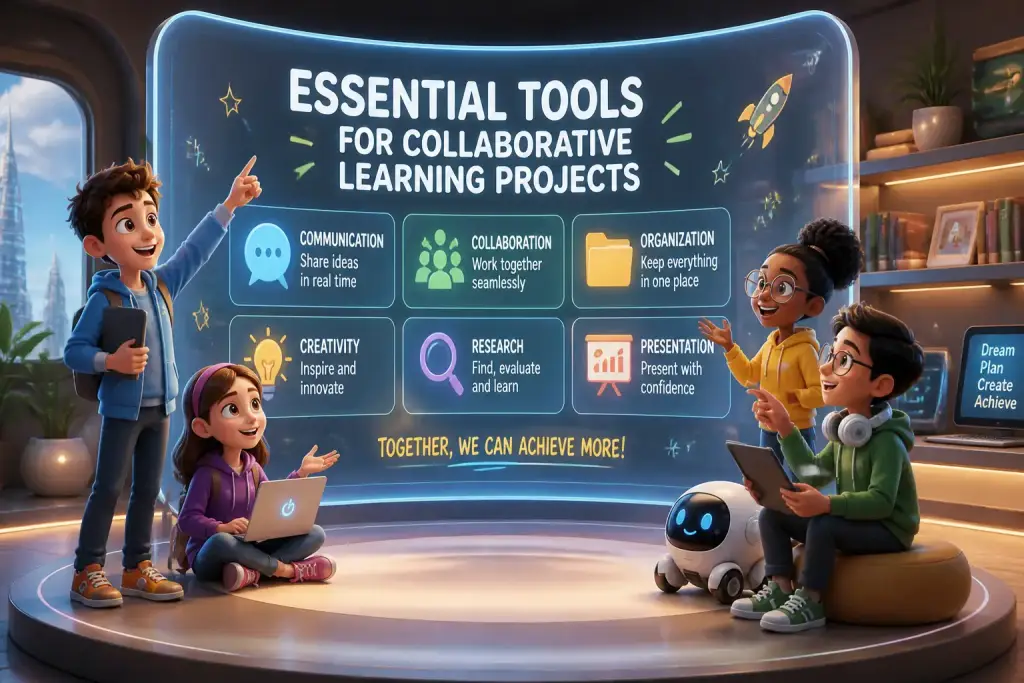
Collaborating with peers can significantly enhance your study sessions. Study groups create an opportunity for discussion and shared knowledge. Engaging with others allows you to hear different perspectives and clarify concepts that may be confusing. Moreover, explaining a topic to someone else can reinforce your understanding.
Finding the right study group can be essential. Look for peers who share similar goals and commitment levels. Establishing ground rules can help maintain focus during study sessions. For example, set specific times for studying and discuss what materials to cover. This ensures that everyone is on the same page and can contribute equally.
Consider using online platforms to facilitate collaboration. Tools like Google Docs or Microsoft Teams allow group members to work together on projects, share notes, and communicate effectively. Using these tools can enhance the collaborative experience and make it easier to stay organized.
Benefits of Study Groups
- Enhanced understanding through discussion and explanation.
- Accountability to stay on track with study goals.
- Access to diverse perspectives and study techniques.
Choosing the Right Study Tools for Your Needs
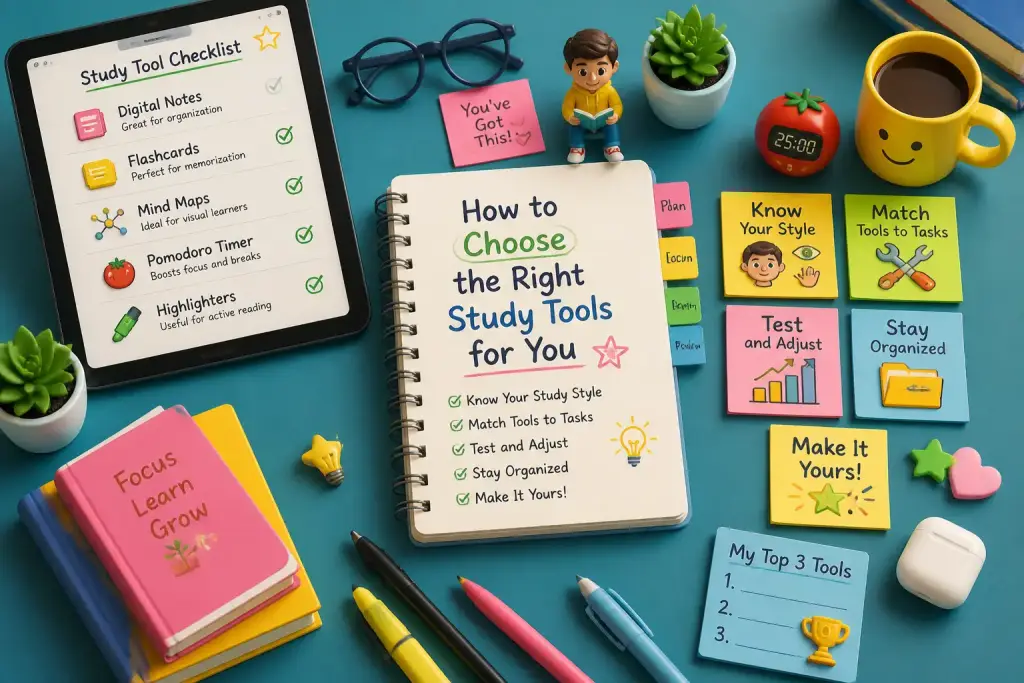
Selecting the right study tools can seem overwhelming, but breaking it down into smaller steps can help. Begin by assessing your learning style and preferences. Once you have a clear understanding of how you learn best, explore various options. You might find that a combination of tools works best for you.
Make a list of potential study tools. Try out different apps, platforms, and traditional materials. Take note of what helps you retain information better and keeps you engaged. It is also essential to stay flexible. As your courses and subjects change, your study tools may need to adapt as well. Regularly evaluate what works and what doesn’t.
Lastly, don’t hesitate to seek advice from teachers or peers. They can provide recommendations based on their experiences and might suggest tools you haven’t considered. Gathering feedback from others can help you make informed decisions.
Steps to Choose Effective Study Tools
- Assess your learning style.
- Explore various digital and traditional options.
- Test multiple tools and evaluate their effectiveness.
- Seek feedback from peers and instructors.
Maximizing Your Study Sessions
Once you have selected your study tools, it’s essential to use them effectively. Create a conducive study environment that minimizes distractions. This could mean finding a quiet space, organizing your study materials, or even setting specific times for studying. Consistency is key to forming productive habits.
Incorporating active learning techniques can dramatically improve your retention. Instead of passively reading or listening, engage with the material. Use the Cornell Note-Taking System to organize your notes and enhance understanding. Additionally, practice retrieval by quizzing yourself or discussing topics with peers.
Lastly, take regular breaks to avoid burnout. The Pomodoro Technique, which involves studying for 25 minutes followed by a 5-minute break, can help maintain focus and energy levels. This balance of work and rest can keep you motivated and enhance your overall productivity.
Effective Study Techniques
- Use the Cornell Note-Taking System for better organization.
- Engage in active retrieval through self-quizzing.
- Incorporate regular breaks to maintain focus and avoid fatigue.
Evaluating Your Progress and Adjusting Tools
After implementing your chosen study tools, regularly evaluate your progress. Are you meeting your academic goals? Are the tools helping you learn effectively? Reflecting on these questions can help you identify areas for improvement. If you are not achieving the desired results, it may be time to explore new tools or strategies.
Consider keeping a study journal to track your progress. Document what tools you are using, how effective they are, and any changes in your study habits. This reflection can provide valuable insights into what works best for you. Adjusting your tools and methods can lead to more significant improvements in your learning.
Stay updated with new study tools and techniques. The educational landscape is continuously evolving, and new resources can emerge to enhance your learning experience. Join online forums or groups related to your field of study to stay informed about the latest trends and tools in education.
Steps for Evaluating Progress
- Reflect on your academic goals and achievements.
- Keep a study journal to track tools and effectiveness.
- Stay informed about new tools and educational trends.
Choosing the right study tools is a personal journey. By assessing your learning style, exploring various options, and regularly evaluating your progress, you can find the tools that work best for you. Balancing digital and traditional methods can enhance your learning experience, making it more enjoyable and effective. Remember, the ultimate goal is to find tools that help you learn better and achieve your academic success.