




Table of Contents
Identify Your Learning Preferences
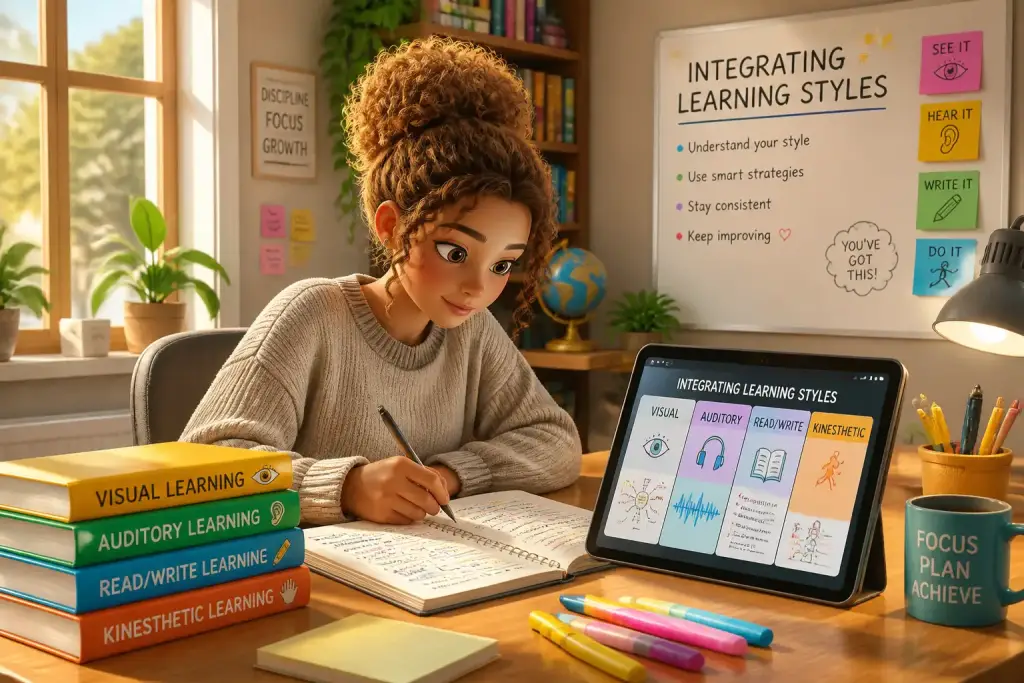
Understanding your learning preferences is the first step in designing a personal learning system that truly fits your needs. Everyone has unique ways of absorbing information. Some people learn best through visuals, while others prefer auditory or kinesthetic methods. Conducting a self-assessment can help clarify what works best for you. Online quizzes or reflective journaling can offer insights into your learning style.
- Identify your learning preferences and goals for a personalized approach.
- Utilize modern tools and methods to enhance your learning experience.
- Regularly assess and adjust your system for continuous improvement.
For example, if you are a visual learner, incorporating videos, infographics, and mind maps into your learning routine can enhance your understanding. On the other hand, if you find that you retain information better through listening, podcasts and audiobooks might be your best allies. Recognizing these preferences allows you to create a tailored approach that maximizes your effectiveness.
Consider your motivation levels. Are you driven by deadlines, or do you thrive in a more open-ended environment? Balancing your learning style with your motivational triggers can further refine your system. For example, if you enjoy a structured approach, setting specific milestones can keep you focused and engaged.
Practical Steps to Identify Preferences
- Take a learning style quiz online.
- Reflect on past learning experiences. What worked well? What didn’t?
- Experiment with different formats, videos, books, podcasts, to see what resonates.
Set Clear Learning Goals
Next, establishing clear and achievable learning goals is vital in shaping your personal learning system. Without specific objectives, it can be challenging to measure progress and stay motivated. Start by defining what you want to achieve. Are you learning a new language, mastering a skill, or preparing for a certification? Setting SMART goals, Specific, Measurable, Achievable, Relevant, and Time-bound, can provide a clear roadmap.
For instance, instead of saying, “I want to learn Spanish,” a better goal would be, “I will learn basic conversational Spanish in six months by practicing for 30 minutes each day.” This goal is specific and has a measurable outcome. You can track your progress by noting how many new words you learn each week or how many conversations you can hold.
Breaking larger goals into smaller, manageable tasks is also helpful. This approach makes the learning process less overwhelming and allows for small wins along the way. Celebrate these achievements to maintain motivation. For example, after reaching a milestone like completing a chapter in a book, treat yourself to a fun activity.
Steps to Set Effective Goals
- Write down your primary learning objective.
- Break it down into smaller tasks.
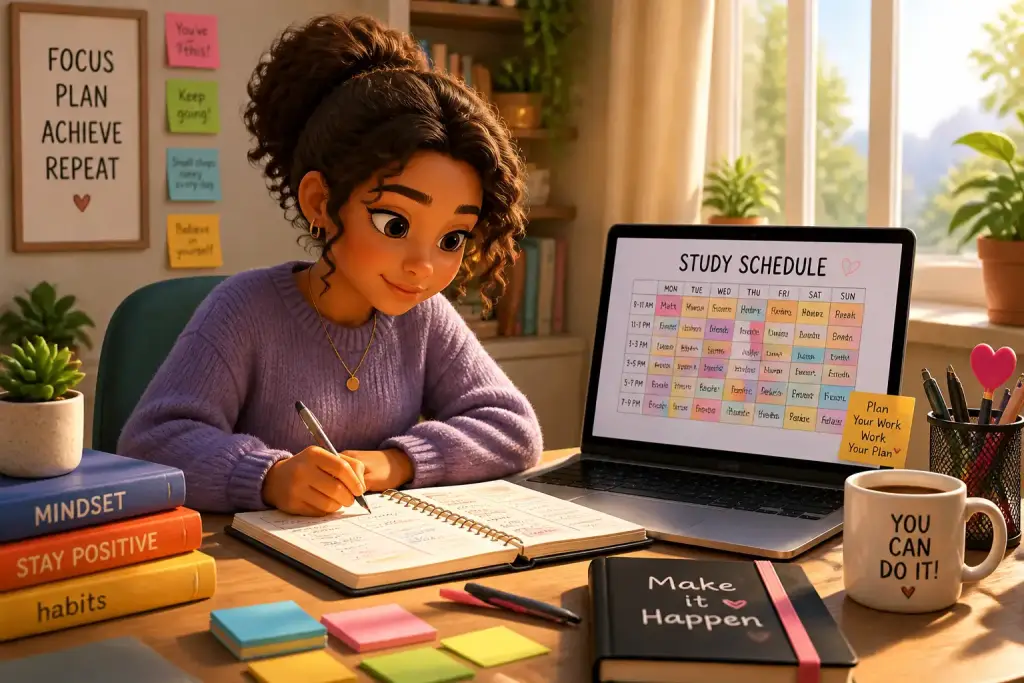
- Set deadlines for each task.
- Regularly review and adjust your goals as needed.
Utilize Modern Learning Tools
Today, a wide range of modern tools can enhance your personal learning system. Technology provides various platforms and resources to support different learning styles. From mobile apps to online courses, the possibilities are endless. For instance, applications designed for language learning, such as Duolingo or Babbel, offer interactive lessons that cater to different learning preferences.
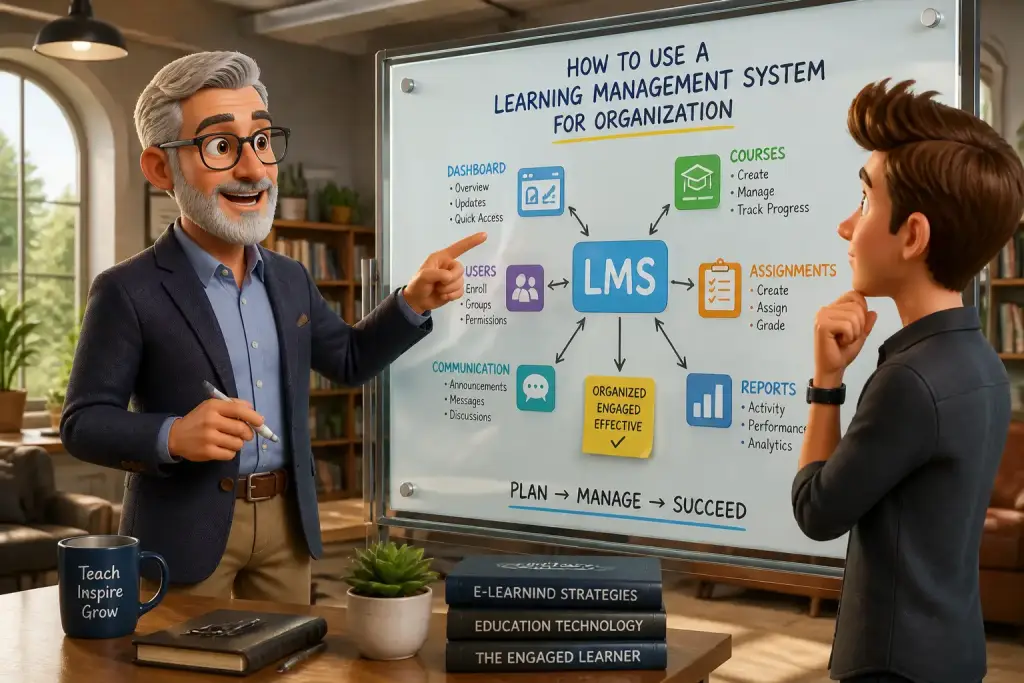
Consider using project management tools like Trello or Notion to organize your learning tasks. These platforms allow you to create boards for different subjects, set due dates, and track your progress. By visualizing your learning journey, you can better manage your time and resources. Incorporating these tools into your routine can make learning more structured and efficient.
Platforms that offer online courses, such as Coursera or Udemy, provide access to expert-led content across various subjects. You can learn at your own pace and revisit materials whenever necessary. This flexibility allows you to tailor your learning experience to fit your schedule and preferences. For more on how to learn on the go, check out these best apps for learning.
Recommended Tools for Learning
- Language learning apps (Duolingo, Babbel)
- Project management tools (Trello, Notion)
- Online course platforms (Coursera, Udemy)
Incorporate Reflection and Feedback
Regular reflection is essential for a successful personal learning system. Taking time to assess your progress helps identify what methods are effective and which need adjustment. Reflection can take many forms, such as journaling or discussing your learning experiences with peers or mentors. This practice ensures that you are not only absorbing information but also understanding its relevance and application.
Feedback plays a crucial role in the learning process. Seeking input from others can provide new perspectives and insights. For example, if you are learning a new skill, consider sharing your work with friends or colleagues and asking for their opinions. Their feedback can highlight areas for improvement and reinforce what you are doing well.
You can use self-assessment tools to track your progress. Quizzes and reflection exercises can help measure your understanding of the material. After completing a learning module, take a moment to summarize what you have learned and how you can apply it. This practice reinforces knowledge and prepares you for future challenges. For more on the importance of reflection, visit this article on reflection.
Steps for Reflection and Feedback
- Set aside time weekly to reflect on what you have learned.
- Write down key takeaways and areas for improvement.
- Seek feedback from peers or mentors regularly.
Always align your learning objectives with your personal interests to maintain motivation and engagement throughout your learning journey.
Adjust Your System Regularly
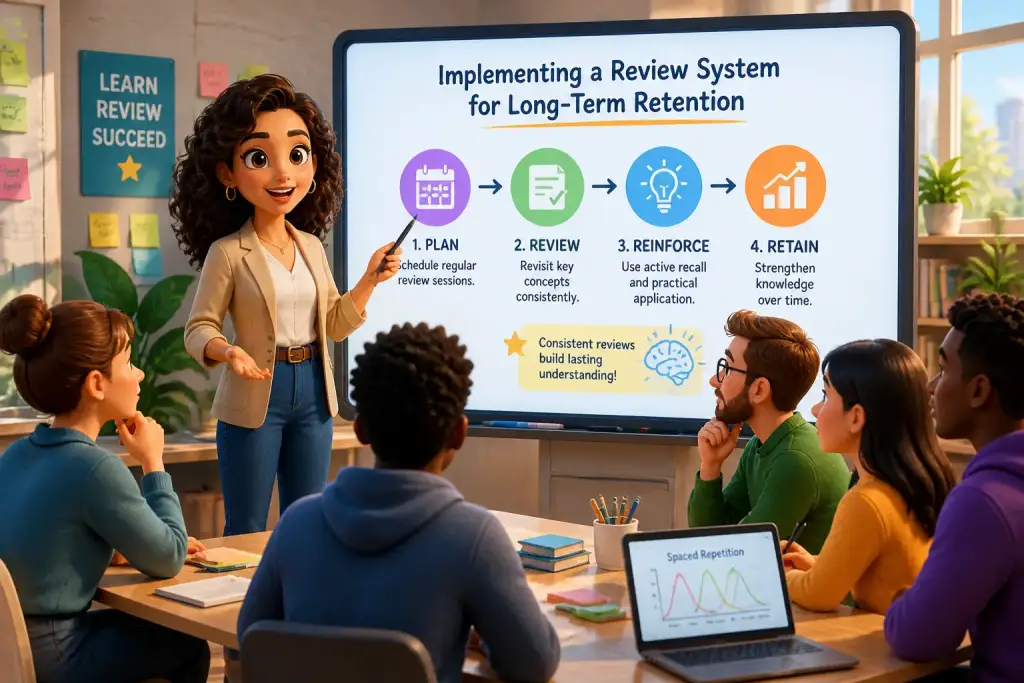
Your personal learning system should be dynamic, adapting to your changing needs and goals. As you progress, regularly assess what is working and what is not. This ongoing adjustment is key to maintaining an effective learning process. Consider factors such as new interests, changes in your lifestyle, or advancements in your field that may require you to update your learning plan.
For instance, if you find that a particular method is no longer effective or if your goals shift, do not hesitate to change your approach. This could mean trying new tools, adjusting your study schedule, or even redefining your learning objectives. Flexibility in your learning system can help maintain your motivation and ensure you continue to make progress.
Engaging with a community of learners can also provide inspiration and new ideas for your system. Online forums, study groups, or social media communities related to your learning interests can facilitate resource sharing and collaboration. Connecting with others can help keep your learning fresh and exciting.
Tips for Regular Adjustment
- Schedule monthly reviews of your learning system.
- Be open to trying new methods and tools.
- Engage with a community for support and ideas.