






Table of Contents
Implementing a Learning Management System
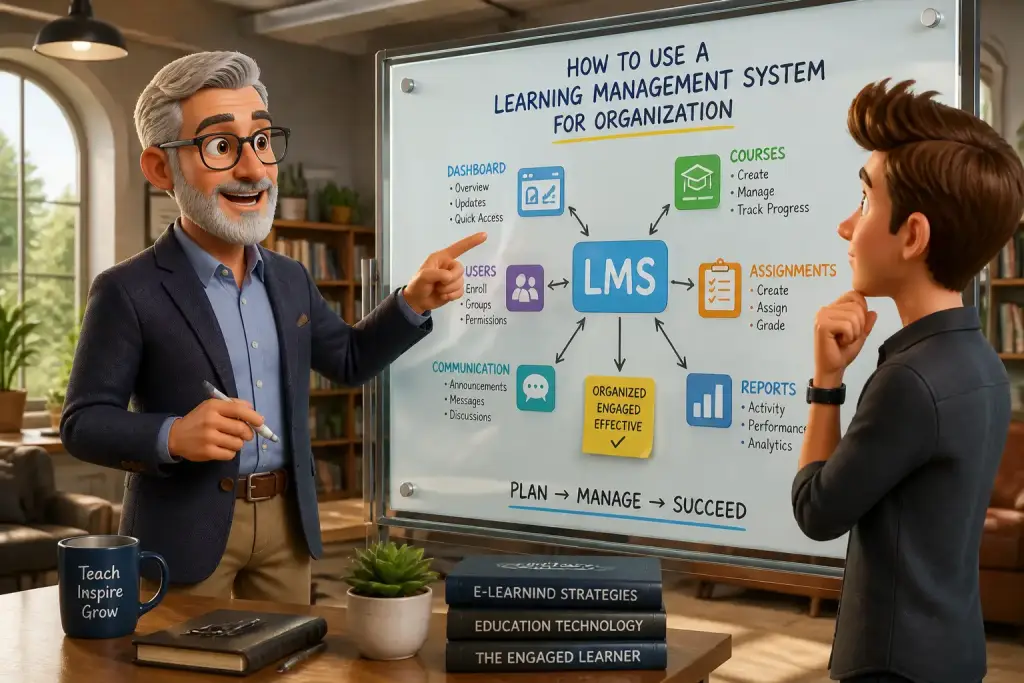
Organizations today face complex challenges in training and development. A learning management system (LMS) can address these challenges effectively. This technology streamlines processes by centralizing educational resources, thus simplifying the management of training programs. Choosing the right LMS is the first step toward a more organized approach to learning.
- Streamlines training and development processes for better resource management.
- Enhances tracking and reporting for measurable learning outcomes.
- Supports diverse learning styles through customizable content delivery.
Begin by assessing your organization’s specific needs. Identify the skills and knowledge gaps that the LMS will address. This assessment helps in selecting features that align with your goals. For instance, if you have a remote workforce, prioritize platforms that support mobile learning and accessibility.
Next, consider the user experience. An intuitive interface encourages greater engagement among users. Look for systems that offer customization options, allowing you to tailor content to your audience. Features like gamification and interactive elements enhance the learning experience, making it more enjoyable.
Once you choose an LMS, the implementation process begins. Start with a pilot program to test the system in a controlled environment. Gather feedback from users to ensure the platform meets their needs. Adjust your approach based on this feedback before rolling out organization-wide.
Enhancing Training Efficiency
Training can be time-consuming and costly if not managed properly. A learning management system optimizes training efficiency by automating administrative tasks. This allows trainers to focus on delivering quality learning experiences. For example, scheduling classes, tracking attendance, and grading assessments can all be automated.
Using an LMS can significantly reduce the time it takes to onboard new employees. Instead of traditional in-person training sessions, a well-structured online course can be accessed anytime, anywhere. This flexibility allows new hires to learn at their own pace, thus increasing retention of information.
An LMS provides tools for tracking learner progress. Trainers can monitor which modules are completed, assess understanding through quizzes, and gather data on engagement levels. This data can inform future training sessions, ensuring that content remains relevant and effective.
To illustrate, consider a sales team undergoing product training. By using an LMS, the training manager can create a series of modules focusing on different products. After completing each module, sales representatives can take a quiz to test their knowledge. This approach effectively reinforces learning and identifies areas needing further attention.
Creating a Customized Learning Experience
Customization is one of the strongest advantages of a learning management system. Organizations can design courses tailored to the specific needs of their teams. This personalization enhances the relevance of the training material, making it more engaging for learners.
Start by analyzing different learning styles within your group. Some individuals prefer visual aids, while others thrive with text-based materials. An LMS allows you to offer a variety of content formats, such as videos, podcasts, and interactive simulations. This diversity caters to individual preferences and increases overall engagement.
When developing content, consider incorporating real-world scenarios that employees might encounter. For example, in customer service training, use case studies that reflect actual challenges faced in the workplace. This approach not only facilitates learning but also prepares employees for real-life applications.
To effectively create customized courses, follow these steps:
- Assess the learning needs of your audience.
- Choose content formats that suit different learning styles.
- Incorporate interactive elements to keep learners engaged.
- Regularly update content to reflect any changes in the industry or organization.
Tracking and Reporting Progress
Tracking learner progress is vital for assessing the effectiveness of any training program. An LMS simplifies this process by providing detailed reports on individual and group performance. This data is crucial for identifying trends and areas needing improvement.
Administrators can generate reports on course completion rates, assessment scores, and user engagement. This information helps organizations determine which courses are successful and which need adjustments. By analyzing these metrics, organizations can fine-tune their training strategies for better outcomes.
An LMS supports compliance training by ensuring that employees complete mandatory courses. Automated reminders can notify users about upcoming deadlines, helping companies stay compliant with industry regulations. This feature is particularly beneficial in sectors like healthcare and finance, where training is often required by law.
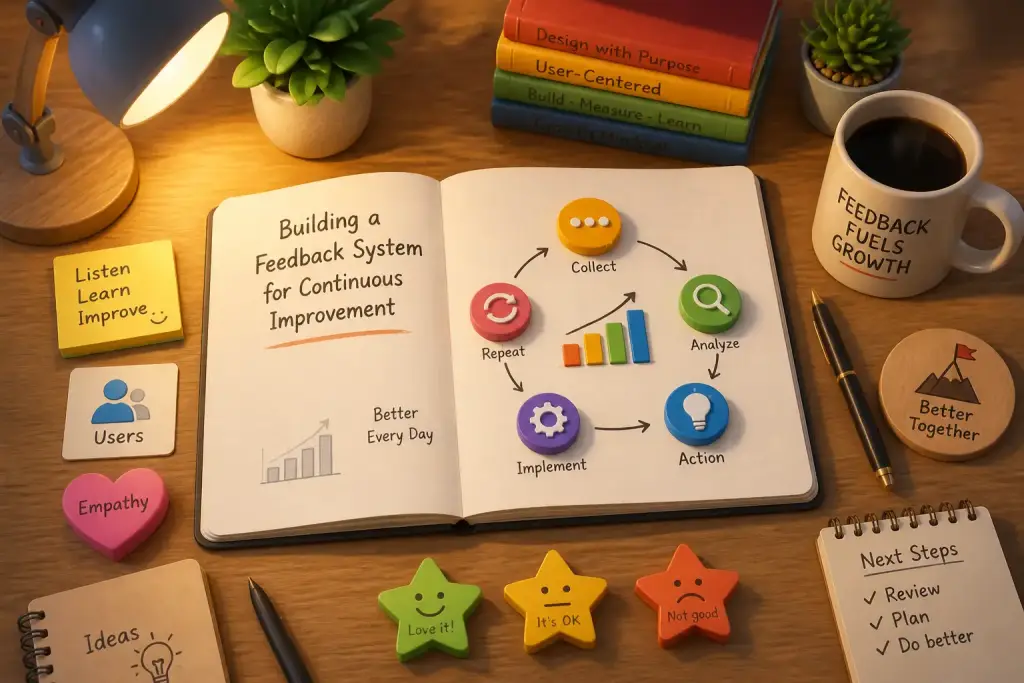
Consider implementing a feedback loop. After completing courses, learners can provide feedback on the content and delivery. This input can enhance future training initiatives and ensure that the LMS continues to meet the evolving needs of the organization.
Regularly update your course materials to keep content relevant and engaging for learners.
Facilitating Collaboration and Communication
Collaboration is essential in any learning environment. A learning management system fosters communication among learners, trainers, and managers. Features like discussion forums, chat functions, and group projects promote interaction and knowledge sharing.
Encouraging collaboration can enhance the learning experience. For instance, creating study groups within the LMS allows employees to work together on projects or assignments. This not only facilitates peer learning but also strengthens team dynamics.
An LMS can integrate with other communication tools. Many platforms allow for integration with apps like Slack or Microsoft Teams. This connectivity ensures that learners can easily ask questions, share resources, and stay engaged with their training material.
To create a collaborative environment, consider these strategies:
- Establish clear communication channels within the LMS.
- Encourage group projects and peer reviews.
- Host live Q&A sessions to engage learners.
Leveraging Technology for Future Learning
Modern technology plays a significant role in enhancing the capabilities of learning management systems. Organizations can leverage advanced tools like artificial intelligence and virtual reality to create immersive learning experiences. Such innovations can transform traditional training methods into engaging and interactive sessions.
For example, artificial intelligence can personalize learning paths based on user performance. By analyzing data, AI can suggest resources that align with individual learning needs. This dynamic approach ensures that employees receive the support they need to succeed.
Virtual reality can also provide realistic simulations for training purposes. For instance, in safety training, VR can immerse employees in a controlled environment where they can practice responses to potential hazards. This hands-on experience is invaluable and can lead to better retention of safety protocols.
To stay ahead, organizations should continually evaluate technological advancements and consider how they can integrate these tools into their LMS. Regularly updating your training methods not only keeps content fresh but also ensures that the organization remains competitive in its industry.
Maximizing the Impact of Your Learning Management System
To fully reap the benefits of a learning management system, organizations must commit to ongoing evaluation and improvement. Regularly assess the effectiveness of your training programs and make adjustments based on data and feedback. This iterative process ensures that the LMS remains relevant and effective.
Engage with learners to understand their experiences. Conduct surveys to gather insights on what works and what doesn’t. This feedback is invaluable for making informed decisions about course content and delivery methods. It also demonstrates to employees that their opinions matter, building a culture of continuous improvement.
Provide ongoing training for trainers and administrators. Ensure they are well-versed in using the LMS and familiar with new features. This knowledge enables them to better support learners and enhance the overall training experience.
In conclusion, successfully using a learning management system involves thoughtful implementation, customization, and continuous evaluation. By following these strategies, organizations can create a more organized, efficient, and engaging learning environment that meets the needs of their workforce and drives success.