








Table of Contents
- Identifying Your Learning Style
- Visual Learning Techniques
- Auditory Learning Techniques
- Kinesthetic Learning Techniques
- Combining Learning Styles for Maximum Impact
- Creating a Personalized Study Environment
- Regularly Assessing and Adjusting Your Study Techniques
- Incorporating Technology to Enhance Learning
- Practical Steps for Implementation
Identifying Your Learning Style
Understanding your learning style is the first step to integrating effective study methods. Learning styles can be grouped into several categories, with the most common being visual, auditory, and kinesthetic. Each style influences how you absorb and retain information. For example, visual learners benefit from diagrams and charts, while auditory learners grasp concepts better through listening.
- Understand your preferred learning style to enhance study habits.
- Use varied study techniques to cater to different learning preferences.
- Regularly assess and adjust your study strategies for ongoing improvement.
To identify your learning style, consider reflecting on your past educational experiences. Think about the classes or activities where you felt most engaged and successful. Did you enjoy working with visual aids like slides or videos? Perhaps you thrived in discussions or group projects. Self-assessment quizzes available online can also provide insights into your preferred learning methods.
Once you pinpoint your learning style, you can customize your study techniques accordingly. This tailored approach will enhance your comprehension and retention. For instance, if you discover you are a kinesthetic learner, incorporating hands-on activities or simulations can significantly boost your learning experience.
Visual Learning Techniques
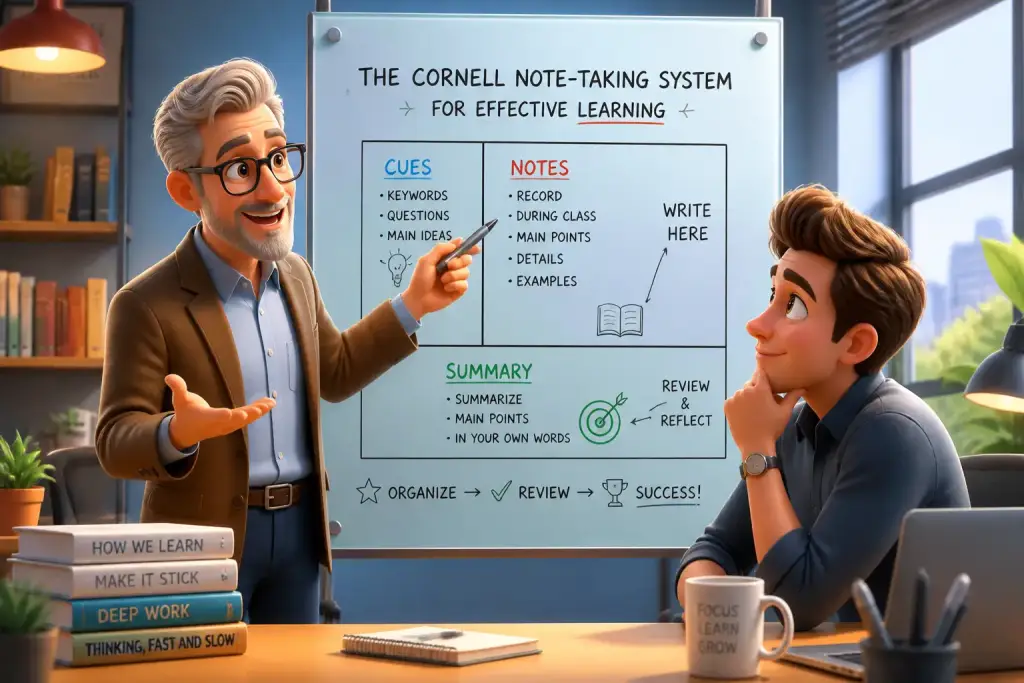
Visual learners often benefit from the use of graphics, charts, and color-coded notes. This style emphasizes processing information through sight, making it essential to create engaging visual materials. Start by organizing notes with diagrams or mind maps. These tools can help to visualize relationships between concepts and make complex information easier to digest.
Incorporating videos and infographics into your study regimen can also be advantageous. For example, educational platforms often provide video content that illustrates concepts visually. You might find that watching a video on a challenging topic helps clarify the material much faster than reading text alone.
Another effective strategy is to use flashcards with images or color-coded categories. This method not only aids memory retention but also ensures that your study sessions remain interactive and engaging. The combination of visual stimuli and active recall is especially potent, as it aligns with the learning style of many students.
Auditory Learning Techniques
Auditory learners grasp concepts best through listening and speaking. This learning style thrives on verbal communication, discussions, and lectures. To make the most of auditory learning, consider recording your notes or lectures. Listening to your own voice can reinforce the material and enhance retention.
Participating in group discussions is another excellent method. Engaging in conversations about the subject matter allows auditory learners to express their understanding and hear different perspectives. Study groups can provide a supportive environment where you can discuss and debate topics, making learning more dynamic.
Podcasts and audiobooks are also valuable resources for auditory learners. Many platforms offer educational content in audio format, which allows you to absorb information on the go. Whether commuting or exercising, these resources can turn downtime into productive learning time.
Kinesthetic Learning Techniques
Kinesthetic learners thrive on hands-on experiences. This style emphasizes learning through action and movement. Incorporating physical activities into your study routine can make a significant difference. For instance, try using physical objects to represent concepts you are studying. This approach can help make abstract ideas more concrete.
Engaging in role-playing or simulations can also benefit kinesthetic learners. For example, if studying history, reenact a historical event with classmates. This immersive experience can deepen understanding and create lasting memories associated with the material.
Taking frequent breaks during study sessions to stretch or move around can help maintain focus and energy levels. Incorporating short bursts of physical activity can re-energize your mind and improve concentration.
Combining Learning Styles for Maximum Impact
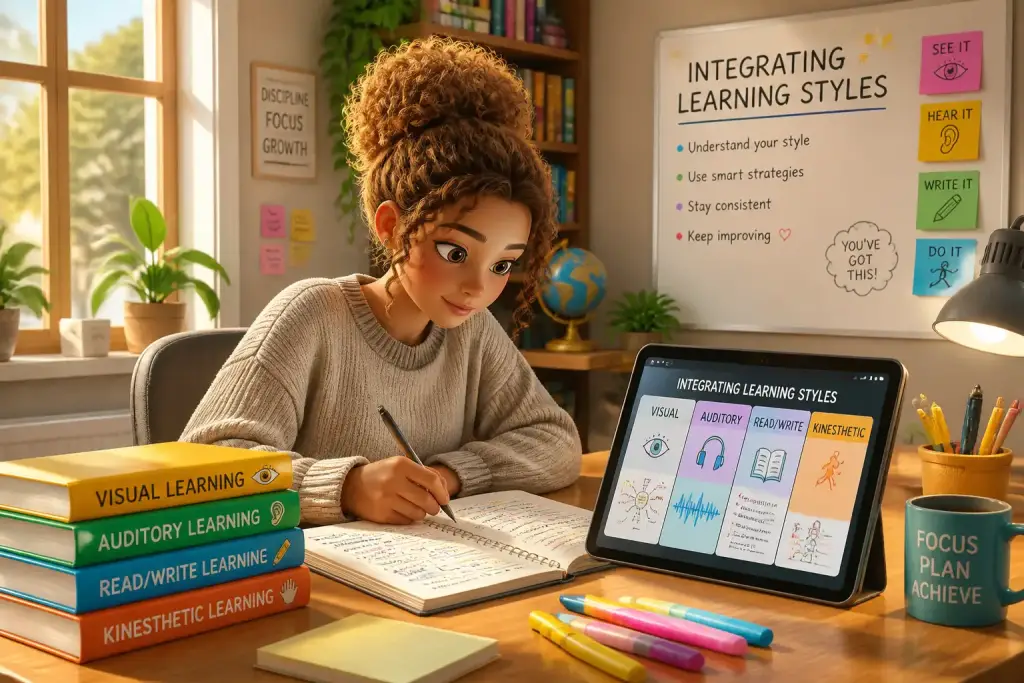
While you may have a preferred learning style, combining techniques from different styles can enhance your overall study effectiveness. For example, visual learners can benefit from auditory input by listening to lectures while following along with visual aids. This multisensory approach helps reinforce concepts and accommodate different aspects of learning.
Consider creating a study plan that incorporates various techniques. For instance, you might start with a visual overview of the topic through a mind map, then transition to listening to a podcast that delves deeper into the subject. Finally, engage in discussions or hands-on activities related to what you’ve learned.
This blended method not only caters to diverse learning preferences but also helps keep your study sessions fresh and engaging. It allows you to approach the material from multiple angles, leading to a more comprehensive understanding. For additional strategies on improving your study habits, check out this article on active recall.
Experiment with different study environments to find the setting that enhances your focus and retention according to your learning style.
Creating a Personalized Study Environment
Designing a study space that aligns with your learning style can significantly impact your productivity. Visual learners may thrive in bright spaces filled with posters or infographics. On the other hand, auditory learners might prefer quieter environments where they can listen to recordings without distractions. Kinesthetic learners often benefit from spaces that allow for movement and flexibility.
Start by assessing your current study environment. Is it cluttered or distracting? Consider organizing your materials and removing any items that do not contribute to your learning. Create a dedicated study area that feels comfortable and inviting. Adding personal touches, like favorite quotes or artwork, can also enhance motivation.
Experiment with different setups. Try studying at a desk one day and on a comfortable sofa the next. You might find that changing your location can refresh your focus and spark creativity. Having the right environment can make a significant difference in how effectively you study.
Regularly Assessing and Adjusting Your Study Techniques
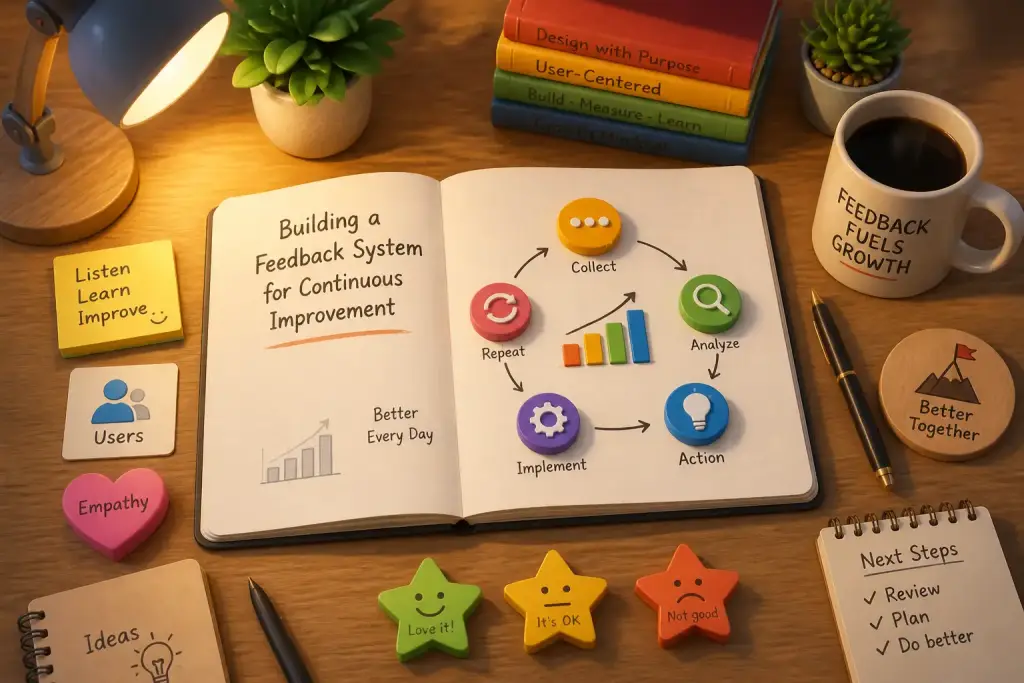
Integrating learning styles into your study system is an ongoing process. Regular assessment of your techniques is crucial for continued success. Set aside time periodically to evaluate what methods are working and which ones may need adjustment. This reflection allows you to adapt your study habits as needed.
Consider keeping a study journal where you can track your progress. Documenting your experiences can help you identify patterns in your learning preferences and outcomes. Note which techniques lead to better retention and understanding, and adjust your approach accordingly.
Seek feedback from peers or instructors. They may provide insights into your strengths and areas for improvement. Collaborating with others can also expose you to new techniques and perspectives, enriching your learning experience. For more tips on selecting the right study tools, visit this guide on study tools.
Incorporating Technology to Enhance Learning
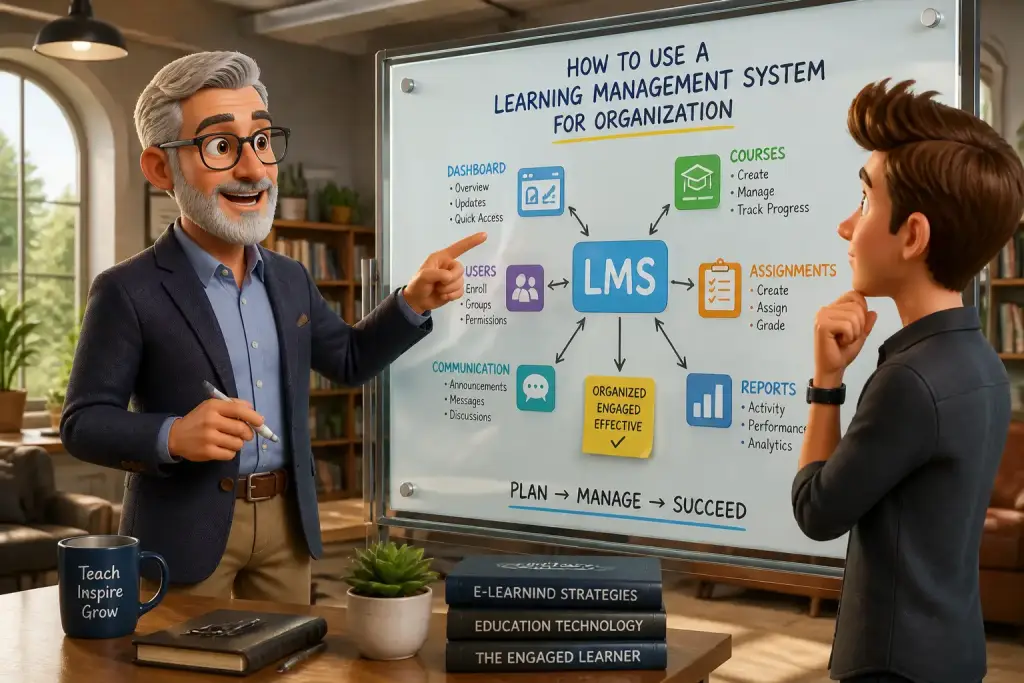
Modern tools can play a significant role in accommodating various learning styles. Educational apps and software provide interactive resources that cater to different preferences. For visual learners, platforms that offer infographics and visual quizzes can be particularly helpful. For auditory learners, tools that allow for audio notes or lectures can enhance their experience.
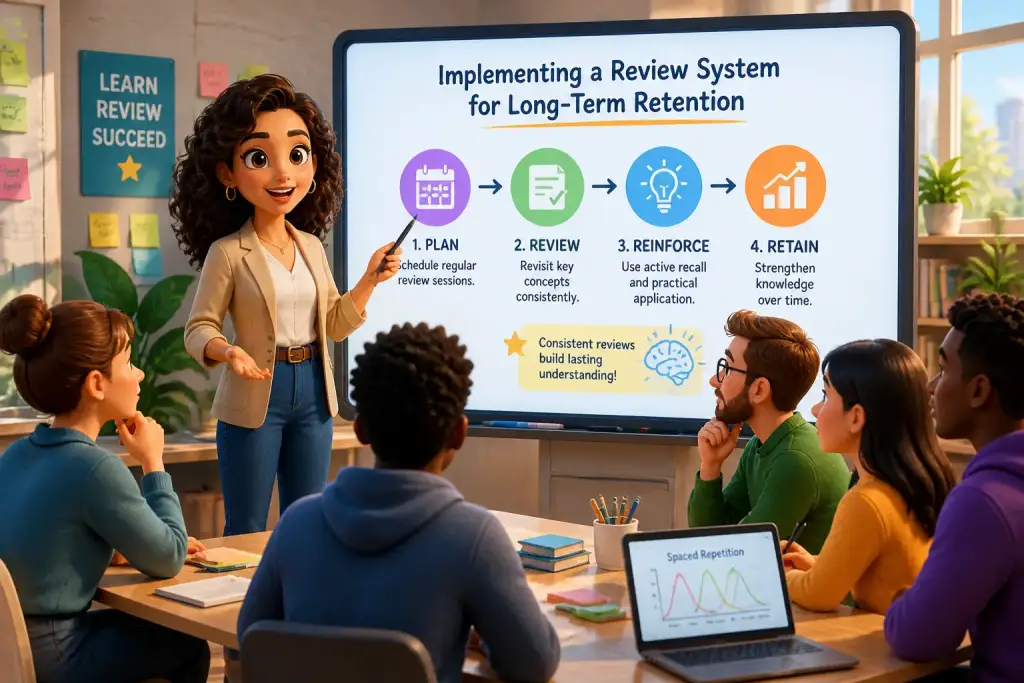
Consider using flashcard apps that offer customizable options. You can include images, audio clips, and text to create a comprehensive study tool that fits multiple learning styles. Many of these apps also incorporate spaced repetition, which is a proven technique for improving memory retention. This technique works well alongside active recall strategies, enhancing overall learning effectiveness.
Explore collaborative tools that enable group study sessions. Platforms like video calls or shared digital whiteboards can facilitate discussions and brainstorming, allowing for diverse learning styles to interact. These technologies not only support learning but also promote engagement and community among students.
Practical Steps for Implementation
To effectively integrate learning styles into your study system, start with small, manageable changes. Begin by identifying your primary learning style and experimenting with corresponding techniques. Create a study schedule that incorporates varied methods to keep your sessions dynamic.
Next, set specific goals for what you want to achieve with each study session. For example, aim to master a particular concept using a blend of visual and auditory resources. Regularly evaluate your progress and adjust your strategies based on what works best for you.
Lastly, stay open to new ideas. As you learn about different techniques, be willing to adapt and try new approaches. Learning is a personal journey, and what works for one person may not suit another. Embrace the process and enjoy the journey of integrating learning styles into your study system.