







Table of Contents
Engaging with Audio Learning Tools
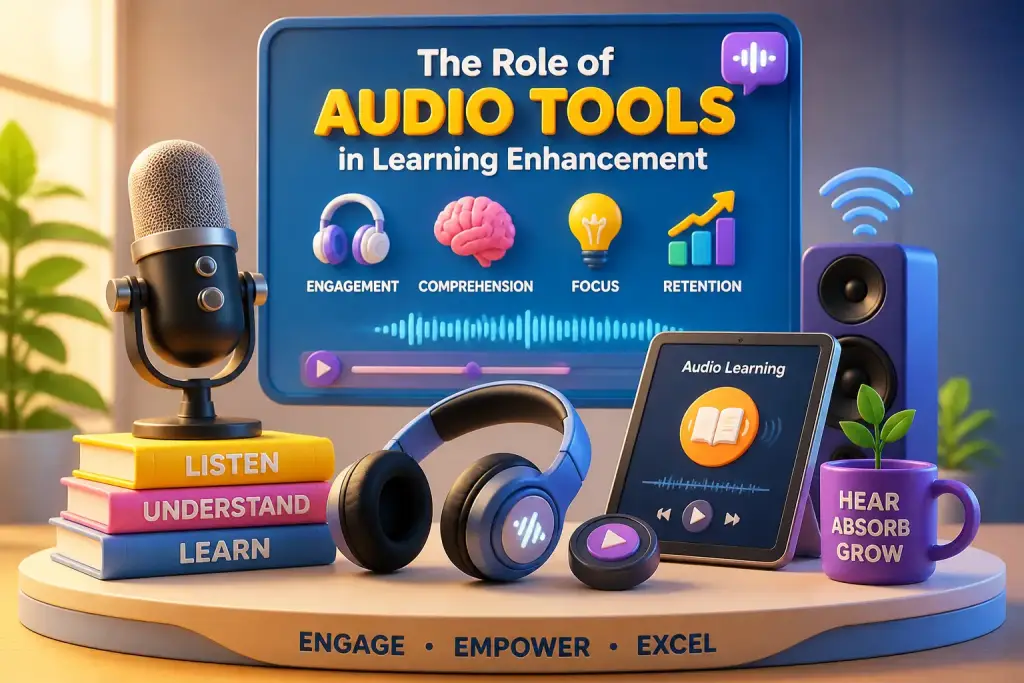
Audio tools have become essential in enhancing learning experiences. These tools provide a way to engage learners in ways that traditional methods cannot. Instead of reading from textbooks or listening to lengthy lectures, students can interact with podcasts, audiobooks, or voice recordings. This shift not only makes learning more enjoyable but also caters to various learning styles, particularly for auditory learners. Auditory learners often grasp concepts better when they hear information rather than read it. Therefore, audio tools become a bridge for understanding complex topics by presenting them in a more relatable format.
- Audio tools enhance student engagement through interactive and immersive experiences.
- They facilitate better information retention by appealing to auditory learners.
- Collaboration improves as audio tools enable easy sharing and discussion among peers.
Many educators are integrating these audio tools into their lesson plans. For instance, teachers can create podcasts that explain difficult concepts in a friendly, conversational tone. This method makes the material feel less intimidating and more approachable. Additionally, students can record their summaries or reflections on what they have learned, allowing them to internalize the information better. Moreover, the ability to replay these audio recordings reinforces learning, as students can listen multiple times until they fully understand the subject.
Besides personal study, audio tools facilitate collaboration among students. Learners can share audio notes with peers, making group projects more dynamic. When working together, students can record discussions or brainstorm sessions, capturing ideas that might otherwise be lost. This method enhances teamwork and ensures that everyone’s voice is heard. The use of audio tools encourages a more interactive learning environment, which is essential for effective learning today.
Enhancing Retention with Audio Techniques
Retention of information is a key goal for any learning process. Audio tools can significantly improve retention rates for various subjects. Research shows that students who engage with audio materials tend to remember information longer than those who rely solely on reading. This phenomenon occurs because audio engages different parts of the brain, creating stronger neural connections associated with memory. For instance, a student listening to a historical podcast about World War II may find it easier to recall details than if they had read the same information in a textbook.
One effective technique is the use of guided audio summaries. Students can listen to concise summaries of complex topics, allowing them to grasp the main ideas without overwhelming detail. These summaries can also include engaging storytelling elements, which make the information more relatable and memorable. By associating facts with stories, learners can create mental hooks that aid recall.
Steps to Create Effective Audio Summaries
- Identify key concepts that need summarization.
- Write a script that presents these concepts in a clear and engaging manner.
- Record the audio in a quiet space to ensure good sound quality.
- Edit the audio to keep it concise and focused on essential points.
- Share the audio summary with peers for collaborative learning.
Incorporating these audio summaries into study routines allows students to reinforce their understanding of topics before exams or assignments. Not only do they help with retention, but they also make studying more engaging.
The Role of Podcasts in Education
Podcasts have surged in popularity in recent years, and their role in education cannot be overlooked. Educational podcasts cover a vast range of subjects, from science to literature, and provide learners with access to expert insights and diverse perspectives. Listening to podcasts allows students to learn at their own pace, as they can pause, rewind, or replay segments they find particularly challenging. This flexibility is crucial for modern learners who may juggle various responsibilities.
Students can also use podcasts to explore topics beyond their curriculum. By listening to experts discuss new theories or innovations in their fields of interest, learners can broaden their understanding and stay current with trends. Additionally, podcasts often feature interviews with professionals, providing insights into real-world applications of academic knowledge. This connection between theory and practice is vital for student motivation, as it shows practical uses for what they study.
How to Incorporate Podcasts into Learning
- Assign relevant podcasts as homework for deeper exploration of topics.
- Encourage students to create their own podcasts on subjects they are passionate about.
- Organize podcast listening sessions where students discuss their insights and learnings.
These methods not only enrich the learning experience but also foster critical thinking and discussion skills. Engaging with podcasts can transform passive listening into an active learning experience.
When focusing on collaborative learning through audio tools, test incremental daily adjustments for 2 weeks before making permanent changes to evaluate real results.
Creating Voice Notes for Active Learning
Voice notes are another powerful audio tool that can significantly enhance learning. Unlike traditional note-taking, which may lead to passive absorption of information, voice notes encourage active engagement. Students can record their thoughts, summarize lectures, or clarify complex concepts in their own words. Speaking the material out loud helps reinforce their understanding and retention.
Utilizing voice notes for studying offers various benefits. Students often find it easier to articulate their thoughts when speaking than when writing. This verbal expression can uncover gaps in understanding that might not be apparent through written notes. Furthermore, voice notes allow for a more personal reflection on learning, where students can express their feelings about the material or their study process.
Steps to Utilize Voice Notes Effectively
- Choose a quiet location to record your voice notes without distractions.
- Summarize key points from lectures or readings in your own words.
- Review your recordings regularly to reinforce learning.
- Share voice notes with classmates for collaborative feedback.
These steps help students make the most of their voice notes. By integrating this method into their study habits, learners can create a personalized audio library that supports their academic journey.
Collaborative Learning through Audio Tools
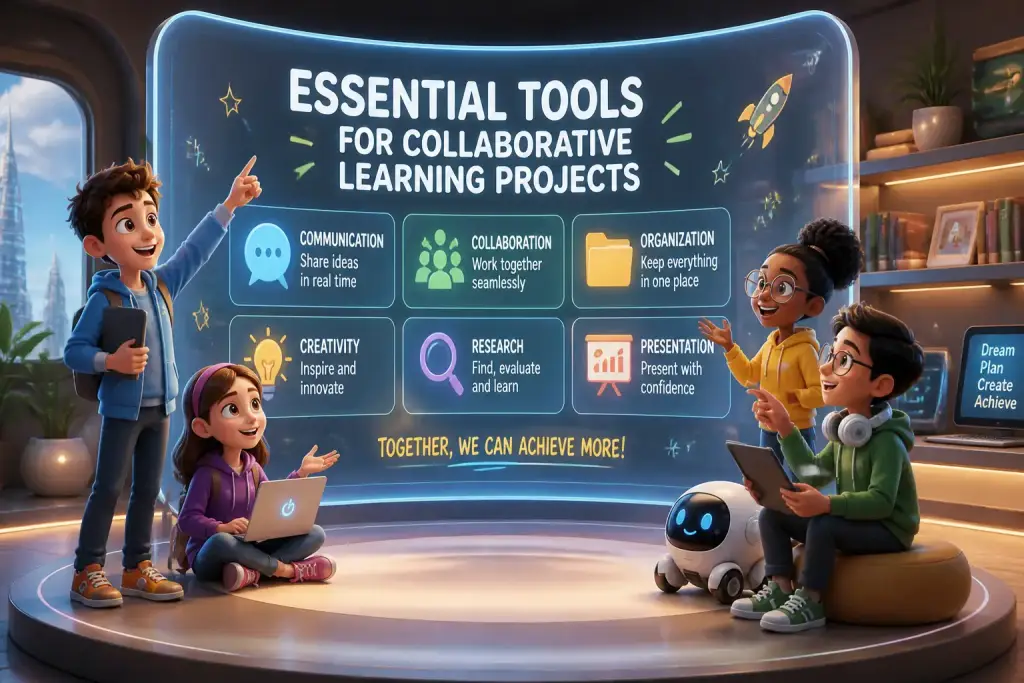
Collaboration is a critical aspect of modern education, and audio tools play a vital role in fostering teamwork. With the rise of digital platforms, students can easily share audio files, engage in discussions, and provide feedback on each other’s work. This collaboration enhances the learning experience, as it allows individuals to gain different perspectives and insights.
Group projects can benefit immensely from audio tools. Students can record team meetings, brainstorming sessions, and presentations. These recordings serve as valuable resources that can be revisited later for clarity. Additionally, audio feedback among peers can be constructive, helping each member improve their contributions to the project. This practice not only builds camaraderie but also helps develop essential communication skills.
Best Practices for Collaborative Audio Learning
- Set clear objectives for group audio projects to ensure focus and relevance.
- Establish roles for each team member to streamline the recording process.
- Encourage regular check-ins to discuss progress and share insights.
These practices promote effective collaboration and ensure everyone is actively involved in the learning process. By utilizing audio tools, students can create a supportive environment that benefits all members.
Accessibility and Inclusivity through Audio Tools
Audio tools also play a significant role in making education more accessible and inclusive. For students with learning disabilities or difficulties, traditional learning methods can often be challenging. Audio tools provide an alternative that caters to different needs, allowing all students to engage with the material effectively.
For example, students with dyslexia may find it easier to understand spoken words than written text. Audiobooks and recorded lectures can help these learners absorb information in a more manageable format. Additionally, the use of speech recognition software allows students to express their thoughts verbally without the barriers of typing or writing.
Implementing Audio Accessibility Strategies
- Provide audio versions of written materials for students with reading difficulties.
- Encourage the use of transcription services for recorded lectures to aid comprehension.
- Offer options for students to submit audio assignments instead of written ones.
By implementing these strategies, educators can create a more inclusive environment that supports diverse learning needs. Audio tools help break down barriers and promote equality in education.
Future Trends in Audio Learning Tools
As technology continues to advance, the future of audio learning tools looks promising. Emerging technologies, such as artificial intelligence and machine learning, are set to revolutionize how audio tools are used in education. For example, personalized learning experiences powered by AI can adapt audio content to meet individual student needs. This customization allows learners to receive tailored feedback and support based on their unique learning styles.
Virtual and augmented reality are beginning to integrate audio elements into learning experiences. This combination creates immersive environments where students can engage with content in innovative ways. Imagine exploring historical sites through a virtual tour while listening to expert narrations. Such experiences can deepen understanding and retention.
As audio tools evolve, they will likely become even more central to educational practices. Educators must stay informed about these advancements to leverage their potential fully. Embracing new audio technologies will enhance learning and prepare students for the challenges of the future.
Incorporating audio tools into learning strategies enriches education today. From podcasts to voice notes, these resources provide diverse ways for students to engage with and retain information. The benefits of audio tools extend beyond individual learning, promoting collaboration, accessibility, and inclusivity. As technology advances, the role of audio tools will continue to grow, shaping the future of education.