



Table of Contents
Why Use Mnemonics for Memorization?
Memory is a skill that can be improved. Mnemonics for memorization are techniques that help people remember information better. They work by turning complex information into simpler forms. This makes it easier to recall later. Many people use these techniques in school and everyday life. For example, students often use mnemonics to study for tests or to remember speeches.
- Mnemonics are powerful tools that aid memory retention.
- Visual imagery and acronyms enhance recall ability and learning.
- Practice using mnemonics regularly to improve memory skills.
Using mnemonics can be beneficial for various reasons. First, they provide a way to organize information. Instead of trying to remember a long list of items, a person can create a simple phrase or image. This can help reduce frustration when studying. Additionally, mnemonics can make learning more enjoyable. They encourage creativity and personal expression. When learners create their own systems, they often feel more connected to the material.
Mnemonics can improve memory recall. Research shows that people who use these techniques often remember information better than those who do not. This is because mnemonics engage different parts of the brain, making the learning experience more dynamic and effective. By using these creative techniques, anyone can enhance their ability to remember important information and improve overall learning outcomes.
Types of Mnemonics to Try
There are several types of mnemonics, each serving different purposes. The most common types include acronyms, visualization, rhymes, and chunking. Understanding these methods can help you find the best fit for your learning style.
Acronyms are formed by taking the first letter of each word in a phrase and combining them. For example, to remember the order of operations in math, students often use “PEMDAS,” which stands for Parentheses, Exponents, Multiplication, Division, Addition, and Subtraction. This simple acronym can make a complex process much easier to remember.
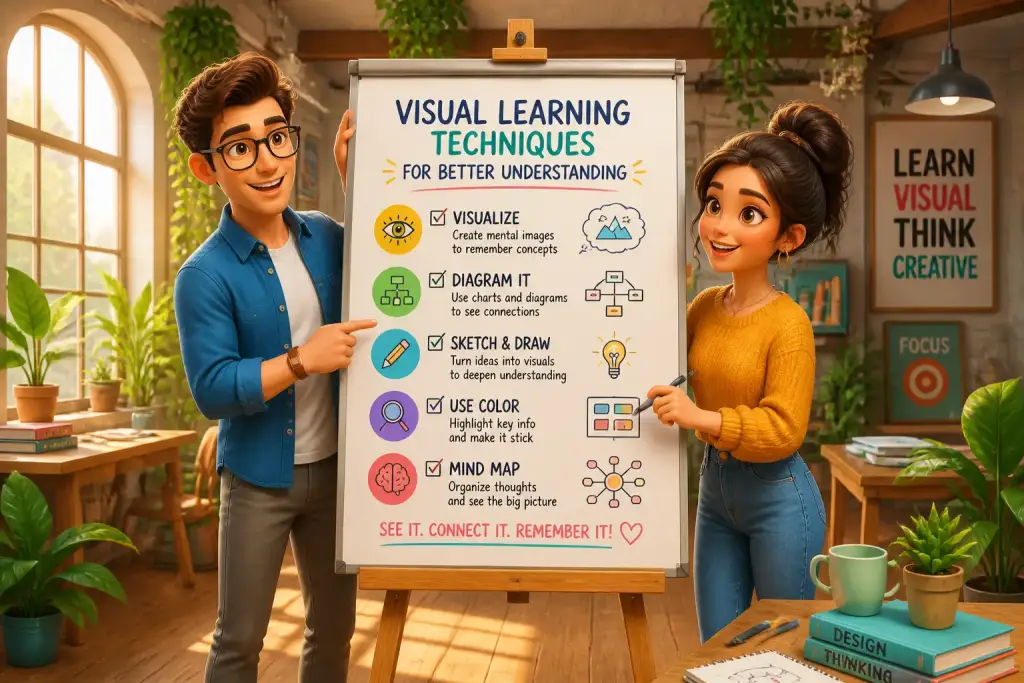
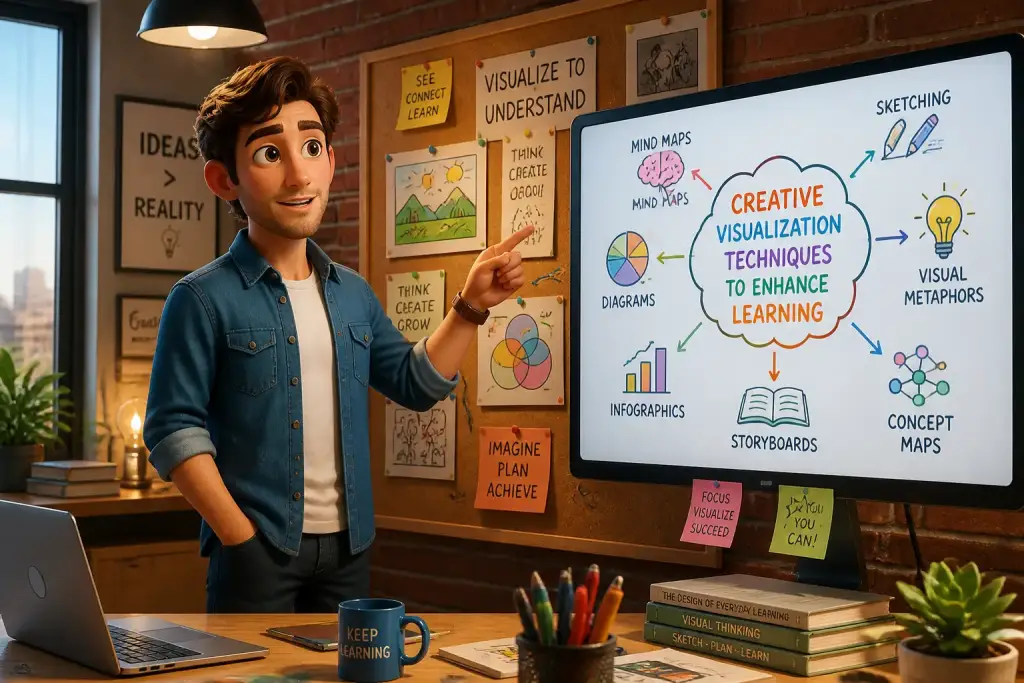
Visualization involves creating a mental picture of the information you want to remember. For instance, if you need to remember a grocery list, you might picture a giant apple rolling down a hill with a loaf of bread. This vivid imagery can help the brain recall items more easily. Rhymes are another effective technique. They use rhythm and melody to aid memory. Songs and jingles can stick in your mind long after you’ve heard them, making them useful for memorization.
Chunking Information Together
Chunking is another useful mnemonic technique. This method involves breaking down large pieces of information into smaller, manageable parts. For example, phone numbers are often chunked into segments, making them easier to remember. Instead of trying to recall a long string of digits, we remember them in groups. This technique works well for learning new languages or studying complex subjects.
- Break information into smaller sections.
- Use patterns or themes to group related items.
- Practice recalling each chunk before combining them.
Steps to Create Effective Mnemonics
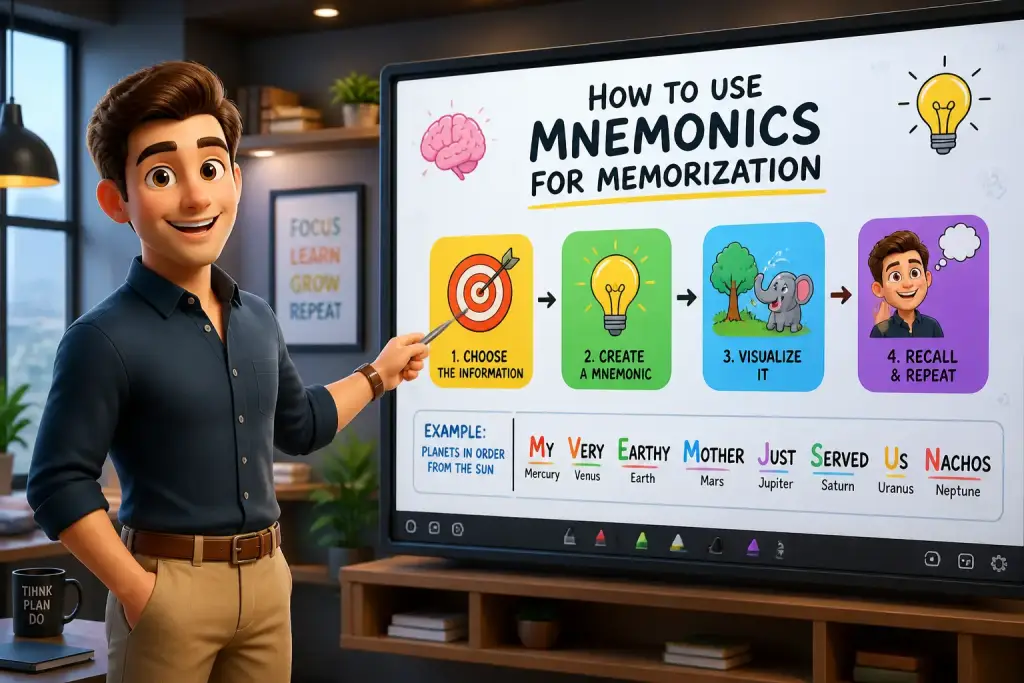
Creating effective mnemonics involves a few simple steps. First, identify the information you need to remember. This could be vocabulary words, historical dates, or scientific concepts. Next, consider your own experiences and interests. This can help make your mnemonics more relatable and memorable.
After identifying the information and your personal connection, brainstorm different mnemonic techniques that could work. For example, if you are trying to remember a list of historical figures, think about using acronyms or visualization. You could create a funny sentence using the first letters of their names or imagine a scene where they all interact.
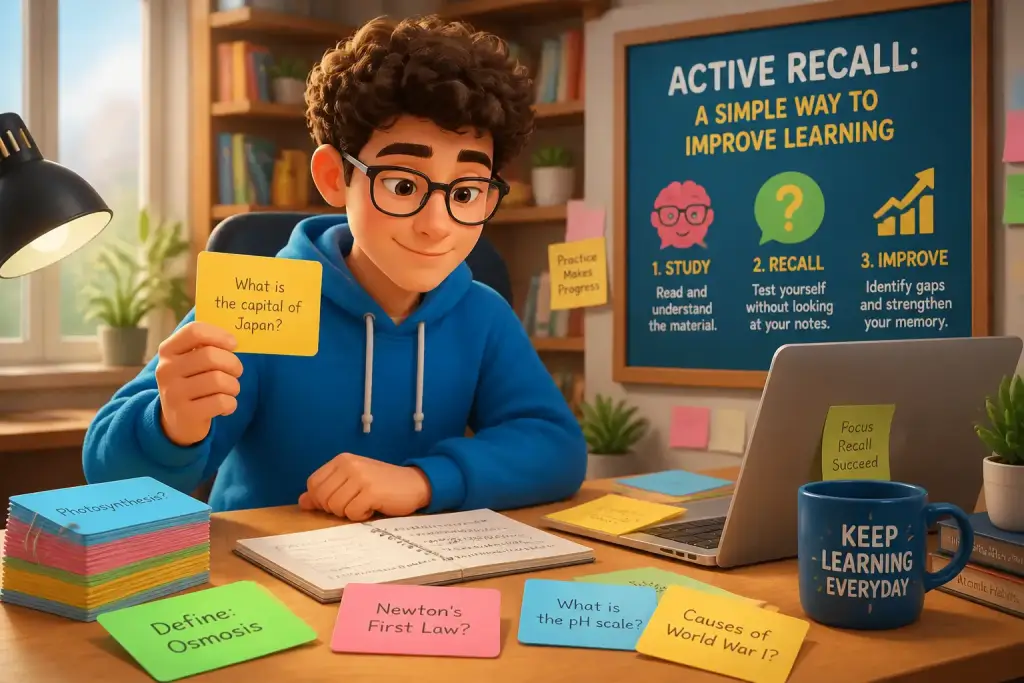
Once you have created your mnemonics, practice them regularly. Repetition helps reinforce memory connections. You can use flashcards, quizzes, or simply recite your mnemonics aloud. The more you engage with the material, the easier it will be to remember.
Tips for Personalizing Your Mnemonics
Personalization is key to creating effective mnemonics. Make them unique to your own experiences. Here are some tips to help you personalize your mnemonics:
- Relate new information to something you already know.
- Use humor or absurdity to create memorable images.
- Incorporate your interests, such as hobbies or favorite characters.
By making your mnemonics personal, they will become even more effective tools for memorization.
Applying Mnemonics in Different Learning Environments
Mnemonics are versatile tools that can be applied in various learning environments. Whether in a classroom, at home, or in a workplace setting, these techniques can enhance memory and learning. For example, students can use mnemonics to study for exams or complete assignments. They can create catchy phrases for each subject or visualize concepts through drawings.
In a workplace setting, mnemonics can help employees remember important procedures or product details. For instance, a sales team might use acronyms to recall key selling points for a product. This can improve their performance during pitches and presentations, ensuring they deliver crucial information confidently.
Mnemonics can be useful for language learners. New vocabulary can be challenging to remember, but using mnemonics can simplify the process. For example, a learner might create an image linking a new word with a similar-sounding word in their native language. This connection can help with recall and improve overall language acquisition.
Mnemonics in Collaborative Learning
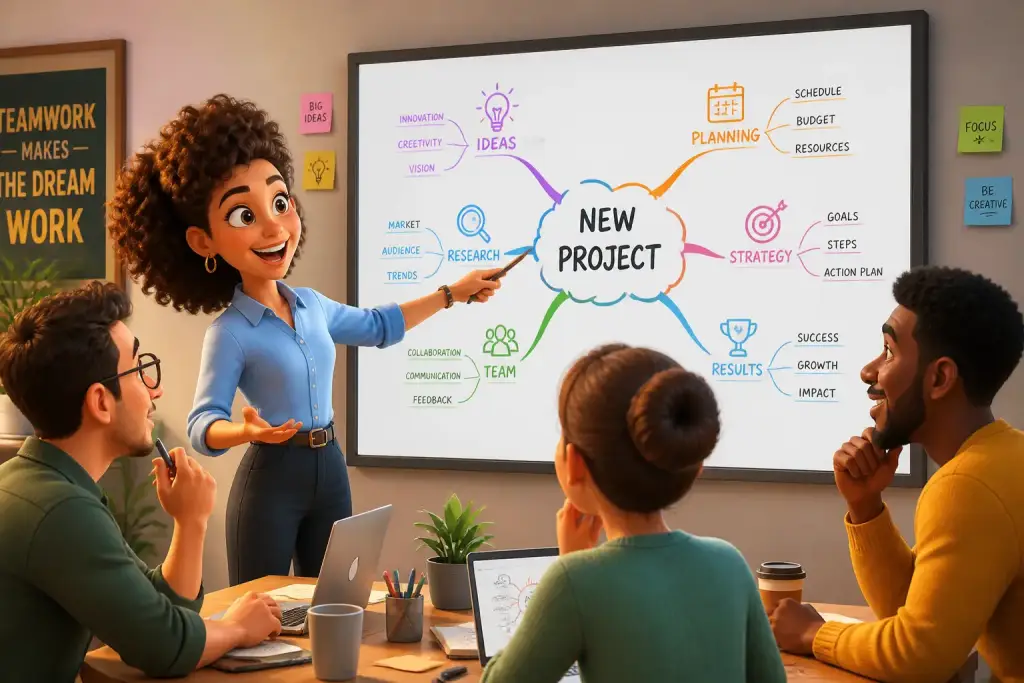
Collaboration can enhance the effectiveness of mnemonics. Working with others allows for shared ideas and creativity. In group settings, learners can brainstorm mnemonics together and build upon one another’s suggestions. This collaborative approach can lead to more innovative and memorable techniques.
Using mnemonics in group projects can make learning more enjoyable. Teams can create catchy slogans or visual aids to present information. This not only reinforces the material but also fosters teamwork and communication skills. Engaging in collaborative learning projects can strengthen both memory retention and social connections.
For more strategies on how to enhance learning in group settings, check out our article on essential tools for collaborative learning projects.
Create personalized mnemonics using familiar concepts to strengthen memory connections and improve recall efficiency.
Measuring the Effectiveness of Your Mnemonics
Evaluating the effectiveness of your mnemonics is essential for improving your memorization skills. Start by testing yourself on the information you want to remember after using your mnemonics. This can be done through quizzes, flashcards, or informal discussions.
After conducting tests, reflect on which techniques worked best and which did not. If you find that a specific mnemonic helped you recall information easily, consider using it as a model for future mnemonics. On the other hand, if a technique was ineffective, think about what changes could make it more memorable.
Keep track of your progress over time. You can record your scores or note how easily you recall information. This will help you identify patterns and adjust your approach as needed. Regular evaluation can lead to continuous improvement in your memory skills.
Adjusting Techniques Based on Performance
As you measure effectiveness, be open to adjusting your techniques. Try different mnemonic methods or combinations until you find what works best for you. Some people may respond better to visual mnemonics, while others may prefer acronyms or rhymes. Adapting your strategies will ensure that you maximize your memorization potential.
Consider seeking feedback from peers or instructors. They may have insights on how to refine your mnemonics. Engaging in discussions about memory techniques can lead to new ideas and approaches, further enhancing your learning experience.
Real-World Applications of Mnemonics
The real-world applications of mnemonics are vast and varied. From students to professionals, many people use these techniques to improve their memory. For instance, medical students often use mnemonics to remember complex terms and concepts. They might create catchy phrases to memorize the bones of the human body or the steps of a medical procedure.
In daily life, mnemonics can help with practical tasks. For example, when trying to remember a shopping list, someone might visualize each item in a unique way. This could involve imagining a giant loaf of bread sitting on a shelf or picturing colorful fruits scattered around the kitchen.
Mnemonics can assist in learning new languages. Language learners can create associations between words and their meanings. For instance, if a learner is studying Spanish, they might link the word “manzana” (apple) with an image of a bright red apple. These connections can make learning more enjoyable and effective.
To further explore how different learning styles can enhance your study system, check out our article on integrating learning styles into your study system.
Key Steps to Sustain Embracing Mnemonics for Lifelong Learning
Embracing mnemonics for memorization can transform how you learn and retain information. By applying these techniques in various contexts, you can enhance your memory skills and boost your confidence. Whether you are a student preparing for exams or a professional seeking to improve your knowledge, mnemonics can offer valuable support.
As you explore different mnemonic strategies, remember to personalize them based on your interests and experiences. The more relatable and engaging your mnemonics are, the more effective they will be in aiding your memory. With practice and dedication, you can develop strong memory skills that will serve you well throughout your life.
Mnemonics are not just tools for memorization; they are pathways to deeper understanding and connection with the material. By integrating these techniques into your learning routine, you can unlock new levels of retention and mastery. Embrace mnemonics as a key component of your lifelong learning journey.